

Peru expands national immunization schedule with five new vaccines and a monoclonal antibody
Translated from Spanish, summarized and contextualized by DistantNews.
At a glance
News
Official statement
New plan
- Peru's Ministry of Health has updated its National Immunization Schedule, adding five new vaccines and a monoclonal antibody.
- The updated schedule aims to reinforce disease prevention, incorporating vaccines against RSV and HPV, and reintroducing measles and rubella vaccines.
- The government expects this expansion to increase immunization coverage and reduce outbreaks of preventable diseases.
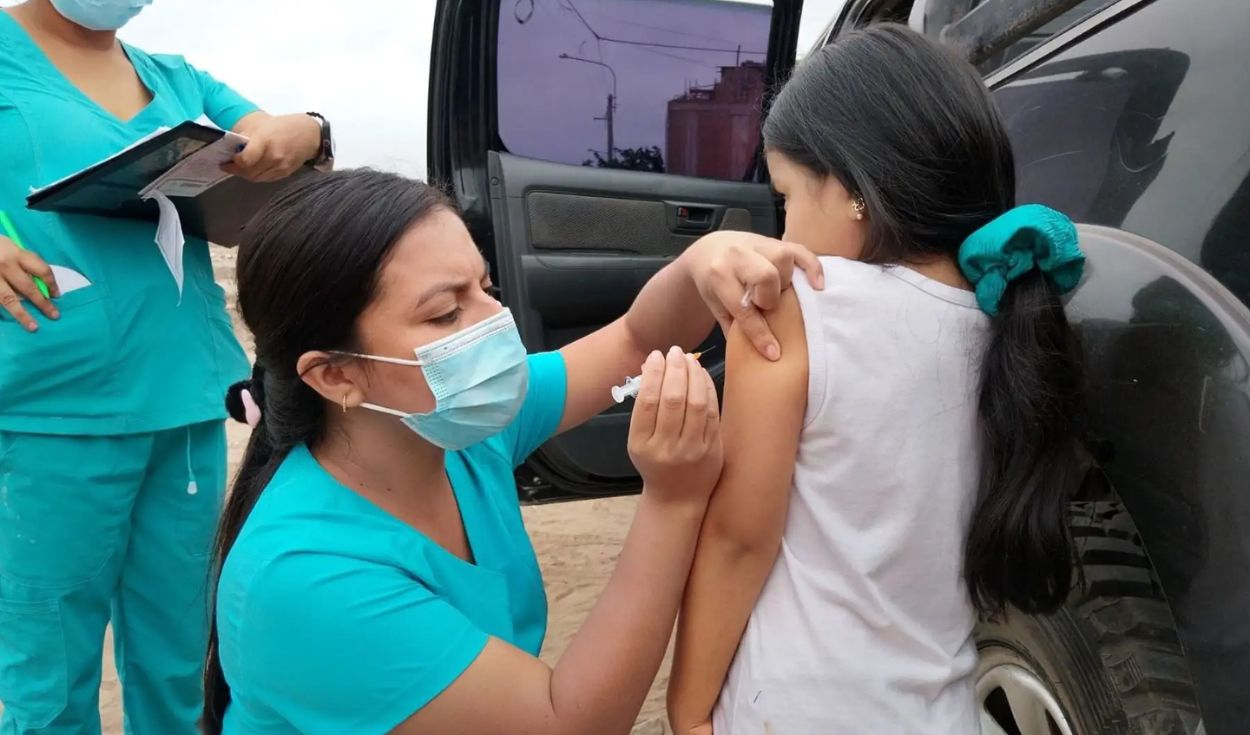
Peru's Ministry of Health has officially updated the National Immunization Schedule, expanding the calendar from 18 to 23 vaccines. This significant update incorporates five new vaccines and a monoclonal antibody, aiming to bolster disease prevention across the nation.
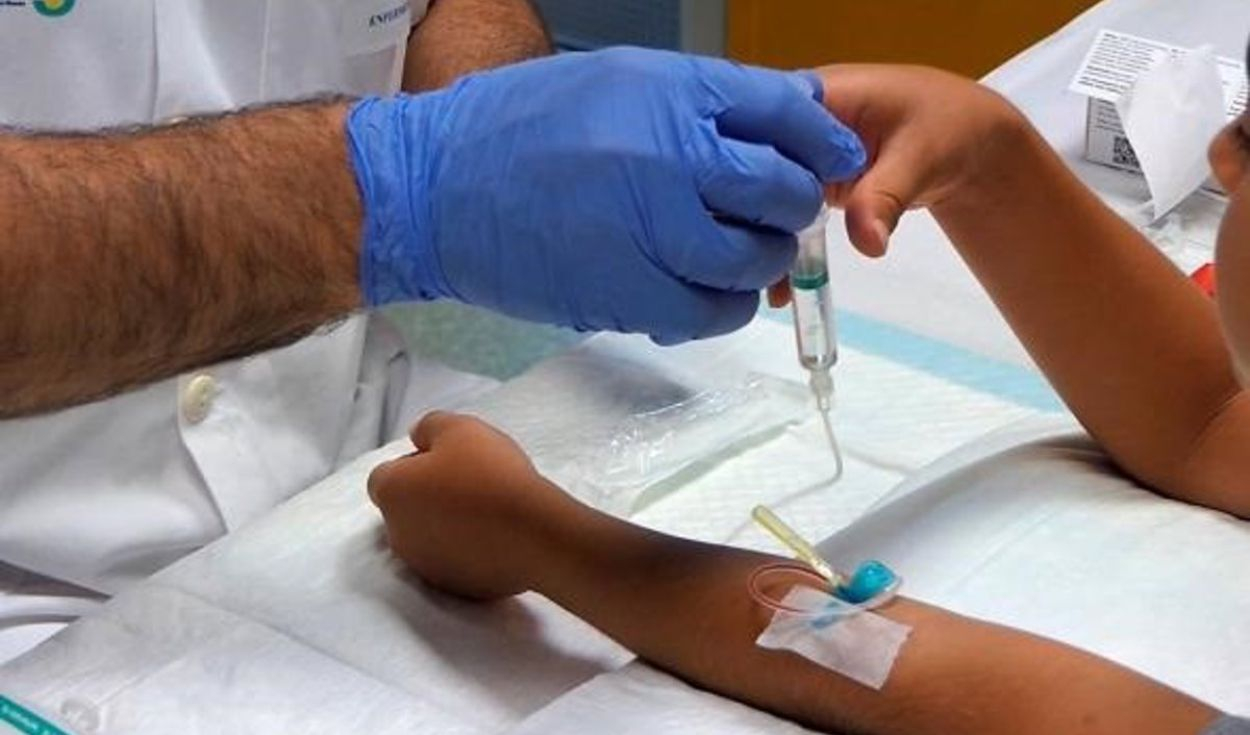
The new schedule introduces the monoclonal antibody nirsevimab for newborns and infants to guard against severe respiratory syncytial virus (RSV) infections, a leading cause of childhood hospitalization. It also includes the hexavalent vaccine, offering protection against six diseases in a single dose, and an acelular version for premature infants and children with HIV. Additionally, a meningococcal vaccine is now available for children with HIV.
In a move to combat RSV, pregnant women between 32 and 36 weeks gestation will now receive a vaccine to protect their newborns from birth. The schedule also strengthens immunization against the human papillomavirus (VPH) for vulnerable populations. Amidst an epidemiological alert for rising measles and rubella cases, the vaccines for these diseases are being reintroduced for unvaccinated individuals and at-risk groups.
Minister of Health Juan Carlos Velasco announced that over 21,000 doses of the monoclonal antibody are expected within three weeks, with another 55,000 arriving in July. More than 100,000 doses of the RSV vaccine for pregnant women will also be distributed. The government anticipates these measures will enhance immunization coverage and decrease the incidence of preventable disease outbreaks and complications.
The update responds to recent scientific evidence and international recommendations.
DistantNews Editorial
Originally published by La República in Spanish. Translated, summarized, and contextualized by our editorial team with added local perspective. Read our editorial standards.
More Stories
From Our Blog

What Gets Lost (and Found) When News Is Translated

The Critical Role of Diaspora Media in Global News

What Travellers Should Know About Countries with Restricted Press

A Digital Nomad's Guide to Following Local News

How the Same Story Looks Different in Different Countries
