

Peruvian Medical College Rejects Bill to Bypass Medical Residency Amid Specialist Shortage
Translated from Spanish, summarized and contextualized by DistantNews.
At a glance
News
Sources not specified
Approved/passed
- The Peruvian Congress approved a bill that modifies the National Medical Residency System (Sinareme).
- Proponents argue the law will help address the shortage of specialists by offering alternative training and recognition pathways.
- The Peruvian Medical College (CMP) opposes the bill, warning of weakened medical training and potential risks to patient care quality.
Peru's Congress has approved a controversial bill that significantly alters the National Medical Residency System (Sinareme), sparking a heated debate within the healthcare sector. Lawmakers backing the bill, including primary author Alejandro Aguinaga Recuenco, contend that Law 13830 will alleviate the critical shortage of medical specialists across the country. They argue that the current residency model is overwhelmed and that new routes for specialization are necessary.
The approved legislation introduces three pathways for specialization: the traditional residency, a competency-based specialization, and the recognition of foreign medical studies. Supporters believe this diversification will expand the pool of qualified professionals, particularly by recognizing the experience of doctors already working in the system or those trained abroad, thereby bypassing the traditional, lengthy residency process. The bill passed with a strong majority of 83 votes in favor, with only seven against and eight abstentions.
The population throughout the country needs to access specialized medical care. This consists of accessing a doctor who has developed a career in medicine and, at the same time, has trained as a specialist acquiring special competencies to diagnose and resolve the most complex health problems of the population when they need it, but this must mean that they have been well-trained.
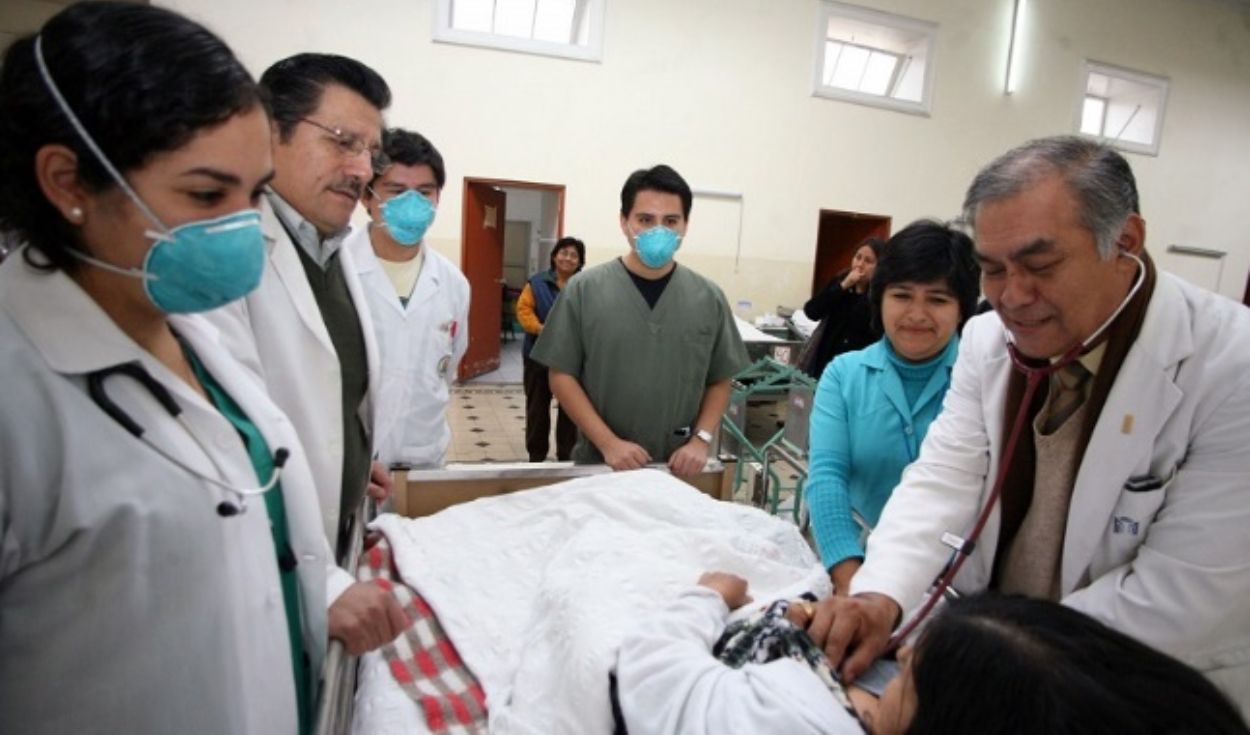
However, the Peruvian Medical College (CMP) strongly disagrees with this approach. Pedro Riega, the dean of the CMP, warned that the law could weaken medical training standards and compromise the quality of patient care. He argued that the specialist shortage should be addressed by strengthening the existing residency system, not by lowering the bar for qualification. Riega emphasized that the traditional residency, a long-standing model in many countries, ensures intensive, hands-on training under expert supervision, which is crucial for developing the specialized skills needed to diagnose and treat complex health issues.
The current residency model 'has been overwhelmed by the demographic and sanitary reality,' making it necessary to diversify training routes to increase the supply of professionals.
DistantNews Editorial
Originally published by La República in Spanish. Translated, summarized, and contextualized by our editorial team with added local perspective. Read our editorial standards.
More Stories

From Our Blog

What Gets Lost (and Found) When News Is Translated

The Critical Role of Diaspora Media in Global News

What Travellers Should Know About Countries with Restricted Press

A Digital Nomad's Guide to Following Local News

How the Same Story Looks Different in Different Countries
