


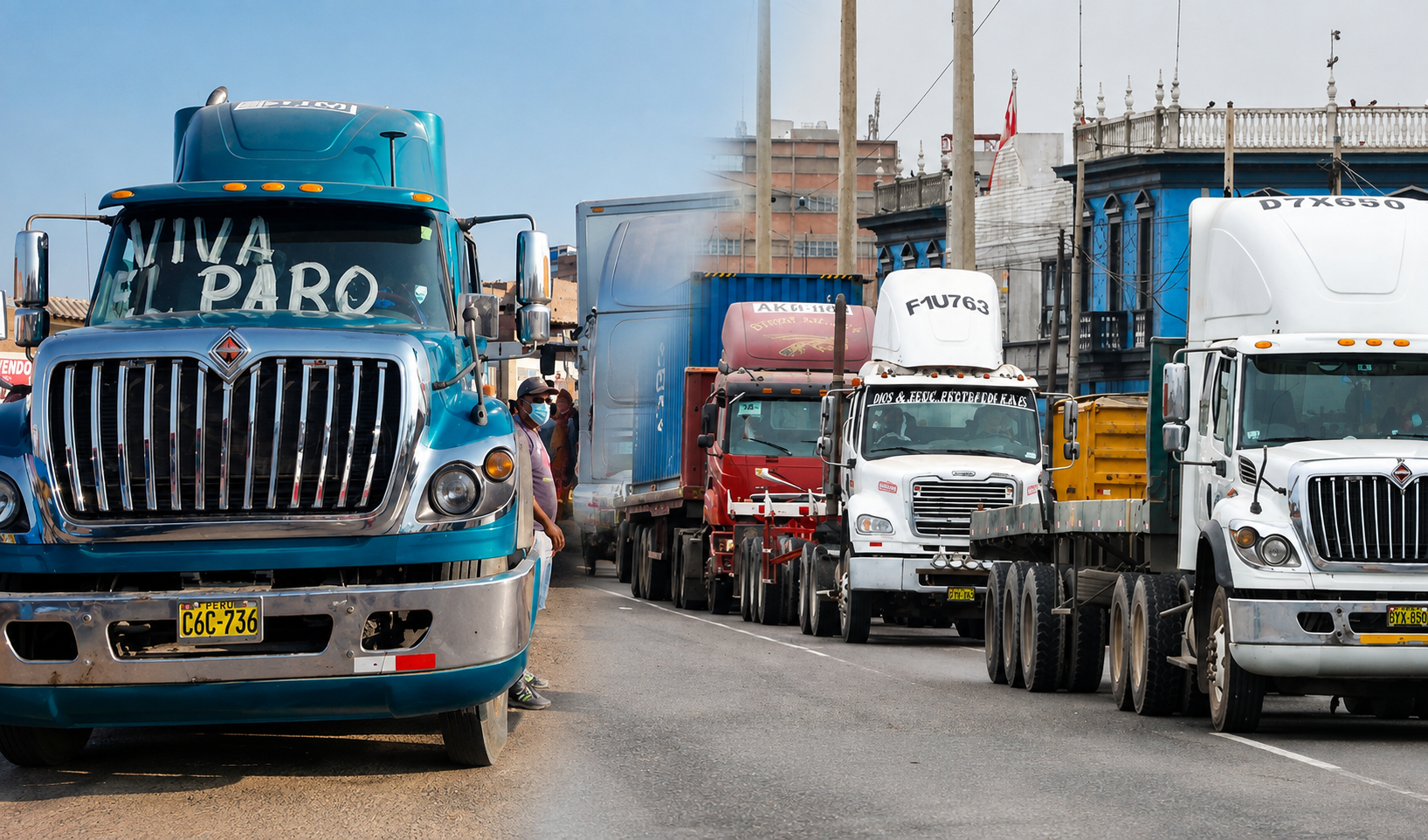
Peru fuel protests: Cargo transport workers strike nationwide over rising costs
Translated from Spanish, summarized and contextualized by DistantNews.
At a glance
News
Sources not specified
Ongoing story
- Heavy cargo transport workers across Peru are staging indefinite strikes, primarily in the south and east, protesting rising fuel costs and industry regulations.
- Key demands include fuel price reductions, improved road safety, and fairer competition for national transport.
- The protests have caused localized disruptions, including blocked roads and concerns over fuel supply, with some regions like Tacna and Loreto seeing broader participation from related transport sectors.
Heavy cargo transport workers and allied unions have initiated localized, indefinite strikes across various regions of Peru, significantly impacting key transportation routes, particularly in the southern and eastern parts of the country. The protests are a direct response to escalating fuel prices and dissatisfaction with current regulations governing their industry.
The primary demands put forth by the striking transport unions center on a reduction in fuel costs, measures to combat insecurity on the roads, and the implementation of regulations that foster equitable competition within the national transport sector. These grievances have been formally presented to both the Ministry of Transport and Communications (MTC) and the Ministry of Energy and Mines (Minem).
In Pucallpa, Ucayali region, the strike is indefinite, with protesters blocking strategic sections of the Federico Basadre highway. This has raised concerns about potential fuel shortages, as difficulties arise in transporting fuel tankers from the La Pampilla Refinery and due to disputes over payments with Petroperú.
Meanwhile, in Tacna, a 48-hour strike held on August 10-11, though reported as peaceful, led to the suspension of in-person classes in schools where travel might be unsafe for students and staff. Similarly, in Loreto, river and transport unions have joined the protests, echoing the same demands regarding fuel prices and economic conditions.
The situation in Arequipa is particularly tense, with a massive urban transport strike leaving thousands of citizens stranded and disrupting school activities. This protest stems from a legal dispute between the provincial municipality and transport concessionaires over bus fares. The municipality ordered a return to the S/1.00 fare, after companies unilaterally increased it to S/1.30, threatening contract terminations if routes are abandoned.
DistantNews Editorial
Originally published by La República in Spanish. Translated, summarized, and contextualized by our editorial team with added local perspective. Read our editorial standards.
More Stories

From Our Blog

What Gets Lost (and Found) When News Is Translated

The Critical Role of Diaspora Media in Global News

What Travellers Should Know About Countries with Restricted Press

A Digital Nomad's Guide to Following Local News

How the Same Story Looks Different in Different Countries
