

Peru's Amazon Celebrates Fiesta de San Juan: A Blend of Faith and Tradition
Translated from Spanish, summarized and contextualized by DistantNews.
At a glance
News
Sources not specified
Context piece
- The Fiesta de San Juan is a major annual celebration in Peru's Amazon region, centered on June 24.
- It blends Catholic traditions with ancestral customs related to water and nature, attracting thousands of participants.
- Key elements include the religious observance, the iconic 'juane' dish, and various cultural activities like music and dance.
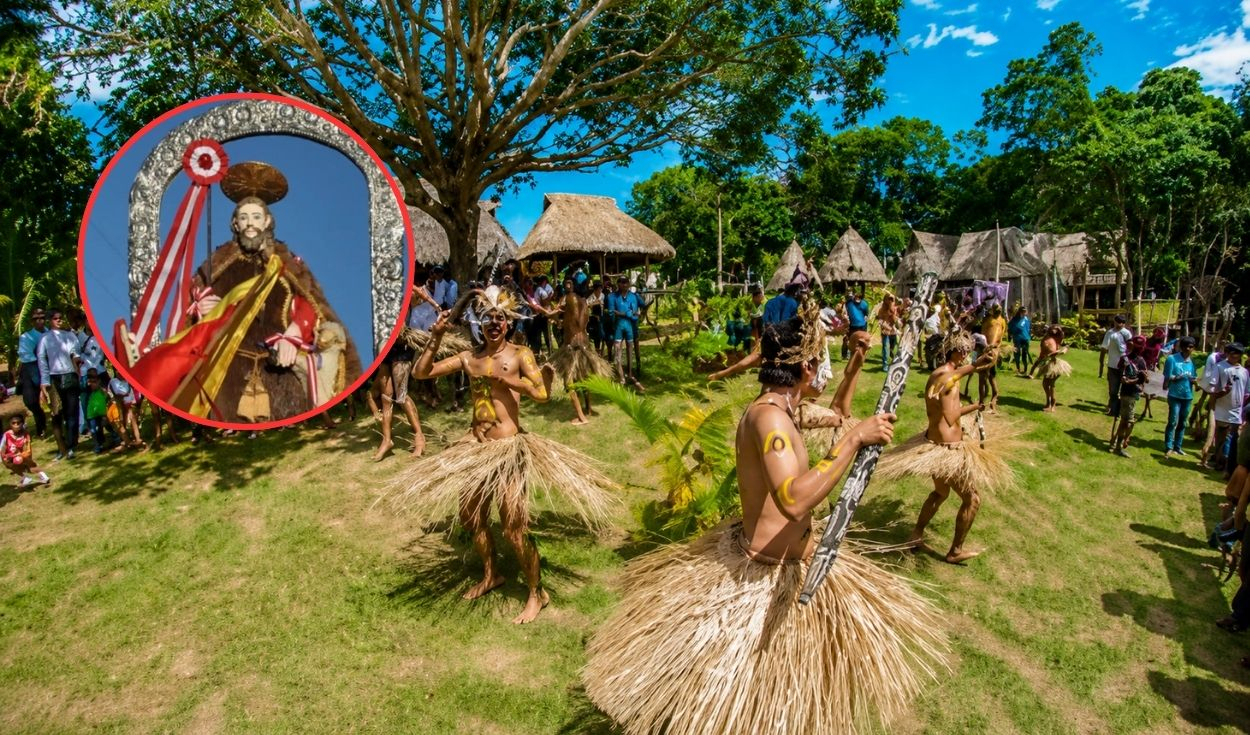
Peru's Amazon region comes alive each year for the Fiesta de San Juan, a celebration deeply rooted in both religious tradition and ancestral customs. Centered on June 24, the feast day of St. John the Baptist, the festivities draw thousands to cities like Iquitos, Tarapoto, and Pucallpa.
Considered the most significant festivity in the Peruvian Amazon, San Juan merges Spanish colonial evangelization with ancient beliefs tied to water, nature, and regional identity. The celebration's origins trace back to the colonial era when Spanish missionaries introduced the veneration of St. John the Baptist. Over time, the saint became closely associated with the rivers and water, vital elements for Amazonian communities.
A central tradition is the "baño bendito," or blessed bath, believed to purify participants and bring good fortune, as many believe St. John blesses the waters on the eve of the festival. The culinary highlight is the "juane," a dish of rice, chicken, and spices wrapped in bijao leaves, which has become a symbol of Amazonian cultural identity.
Beyond religious and culinary aspects, the festival features processions, food fairs, music, and the traditional "pandilla" dance around an adorned palm tree. These vibrant events solidify the Fiesta de San Juan's role in strengthening regional identity and preserving the rich traditions of the Amazon's people.
DistantNews Editorial
Originally published by La República in Spanish. Translated, summarized, and contextualized by our editorial team with added local perspective. Read our editorial standards.
More Stories
From Our Blog

What Gets Lost (and Found) When News Is Translated

The Critical Role of Diaspora Media in Global News

What Travellers Should Know About Countries with Restricted Press

A Digital Nomad's Guide to Following Local News

How the Same Story Looks Different in Different Countries
