

Peru's Anemia Fight Needs More Than Iron Supplements, Nutritionists Warn
Translated from Spanish and summarized by DistantNews. Read the original for the full story.
At a glance
News
Named sources
Context piece
- Peru's fight against anemia requires a strategy integrating various public policies, not just iron supplements, according to the College of Nutritionists of Peru.
- Experts emphasize the need for adequate food access, nutritional education, and safe water, highlighting food insecurity as a key factor.
- Strategies must consider diverse causes of anemia beyond iron deficiency, including other nutrients and parasites, and adapt to regional food customs.
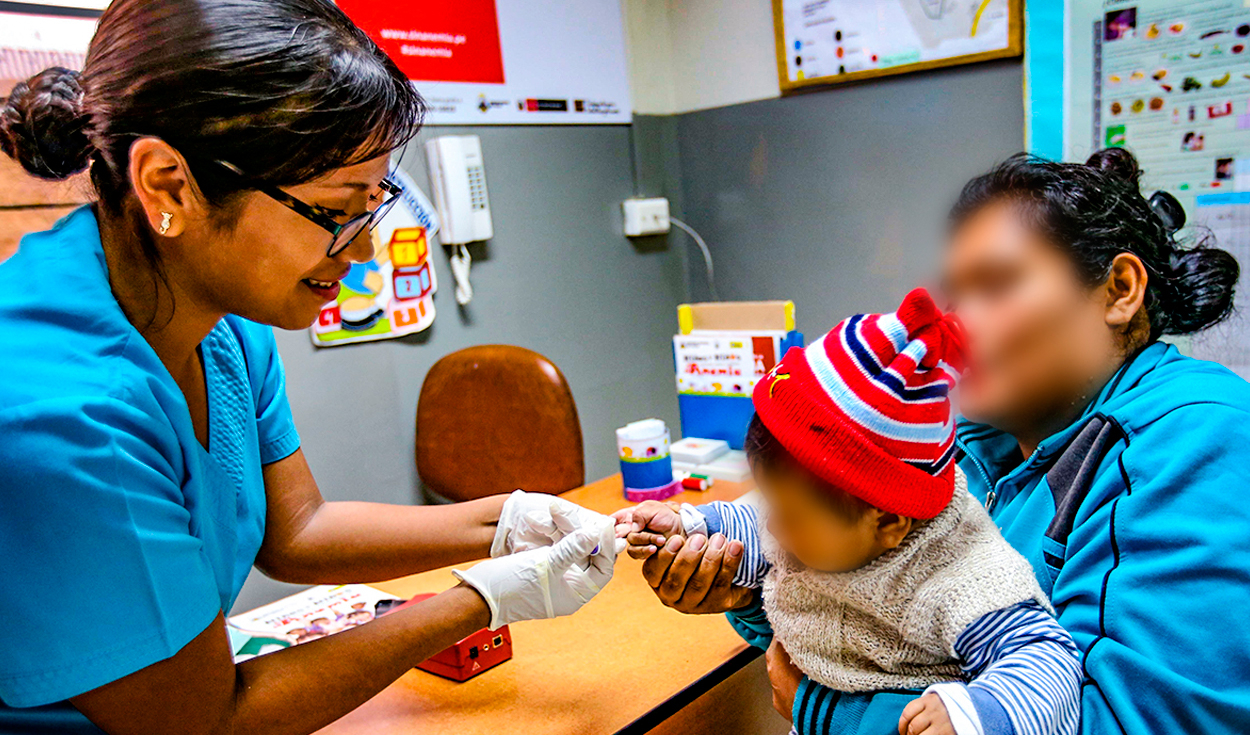
Peru's battle against anemia demands a comprehensive approach that extends beyond simply distributing iron supplements, warned Rosa Elena Cruz, dean of the College of Nutritionists of Peru (CNP).
Cruz stressed that effective public policies must integrate various strategies, including ensuring adequate access to nutritious food, promoting nutritional education, and guaranteeing safe water consumption. She pointed out that food insecurity is a significant, though not the sole, contributor to anemia in the country.
"Public policies should not focus solely on providing iron in drops or syrup," Cruz stated. "They also need to ensure families have access to food that meets their nutritional needs and is appropriate for their context." She advocated for programs that consider the specific conditions of prioritized populations when designing interventions.
The CNP dean also challenged the common approach of treating anemia primarily as an iron deficiency issue. She explained that other nutrients, such as folic acid, vitamin B12, vitamin A, and zinc, as well as proteins, play crucial roles in iron metabolism and overall health. "We treat anemia as if all cases are due to iron deficiency," Cruz remarked, urging for intervention strategies that acknowledge the multifaceted origins of the condition.
Furthermore, Cruz expressed concern over the high consumption of ultra-processed foods and sugar among young people, warning of potential long-term health consequences. She emphasized that food programs should provide safe, sufficient, and healthy options tailored to regional customs and cultural dietary practices.
About this summary
Originally published by La República in Spanish. Translated, summarized, and contextualized automatically by DistantNews, with a note on how the source frames the story. Not individually reviewed before publishing. How this works.
More Stories

From Our Blog

What Gets Lost (and Found) When News Is Translated

The Critical Role of Diaspora Media in Global News

What Travellers Should Know About Countries with Restricted Press

A Digital Nomad's Guide to Following Local News

How the Same Story Looks Different in Different Countries
