


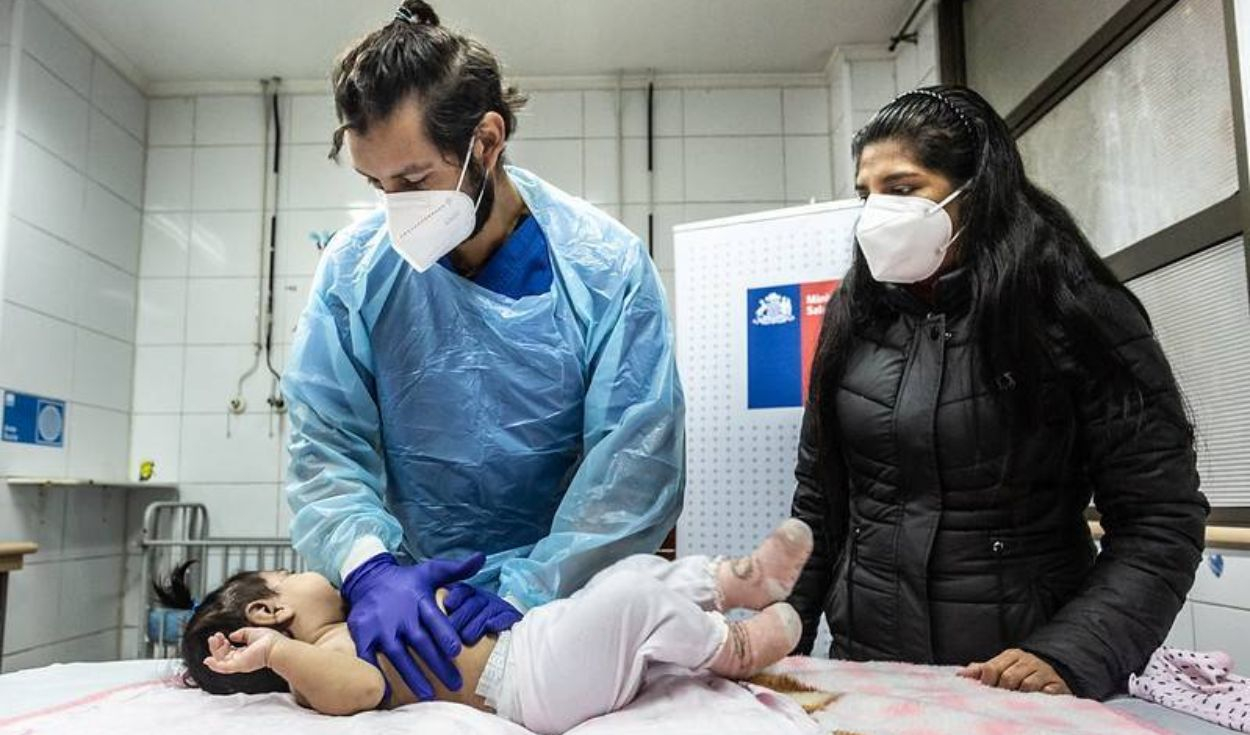
RSV vaccine in Peru: Specialists warn thousands of pregnant women could miss out
Translated from Spanish, summarized and contextualized by DistantNews.
At a glance
News
Named sources
New plan
- Peru has a new vaccine to protect newborns from Respiratory Syncytial Virus (RSV).
- Specialists warn that limited vaccine supply and a seasonal campaign could exclude eligible pregnant women.
- Health experts recommend year-round vaccination and expanding coverage beyond the initial target of 102,000 pregnant women.
Peru has introduced a vaccine to protect infants from Respiratory Syncytial Virus (RSV) before birth, but health experts are concerned about potential coverage gaps. Specialists warn that a limited supply of the vaccine and a campaign concentrated in specific months could prevent many pregnant women from receiving the immunization. The alert was raised during a conference in Lima, organized by Pfizer, where representatives from the Peruvian Society of Obstetrics and Gynecology (SPOG) and infectious disease specialists discussed the national strategy's implementation.
The Ministry of Health (Minsa) has incorporated 102,400 doses of the RSV vaccine for pregnant women between 32 and 36 weeks gestation. The aim is for the mother to develop antibodies that transfer to the baby, reducing the risk of severe respiratory infections in early infancy. However, experts caution that the initial target of 102,000 pregnant women should not be seen as a ceiling, as the number of women who could benefit is significantly larger. The current official schedule mandates a single dose between 32 and 36 weeks of pregnancy.
A key recommendation from SPOG is to shift away from the exclusively seasonal approach. The medical society suggests extending the maternal vaccination period from 28 to 36 weeks of gestation and moving towards year-round availability. This proposal aims to ensure protection is based on a woman's stage of pregnancy rather than coinciding with a specific national campaign. This is particularly relevant in Peru, with its diverse climate regions and varying patterns of respiratory virus circulation. A single national window may not be effective across all areas, making timely vaccination a critical challenge. Pregnant women reaching the appropriate weeks outside the campaign period might miss the opportunity to protect their newborns.
The discussion takes place as RSV continues to affect primarily children. As of epidemiological week 31 of 2026, Peru had recorded 4,713 RSV cases, with 4,343 involving children. RSV remains a leading cause of respiratory infections in infants.
DistantNews Editorial
Originally published by La República in Spanish. Translated, summarized, and contextualized by our editorial team with added local perspective. Read our editorial standards.
More Stories
From Our Blog

What Gets Lost (and Found) When News Is Translated

The Critical Role of Diaspora Media in Global News

What Travellers Should Know About Countries with Restricted Press

A Digital Nomad's Guide to Following Local News

How the Same Story Looks Different in Different Countries
