

Peru's Arequipa Region Records Winter's Lowest Temperature at -21°C
Translated from Spanish, summarized and contextualized by DistantNews.
At a glance
News
Sources not specified
Context piece
- Patahuasi, a sector in Peru's Arequipa region, recorded the lowest temperature of the winter season at -21°C, surpassing expert forecasts.
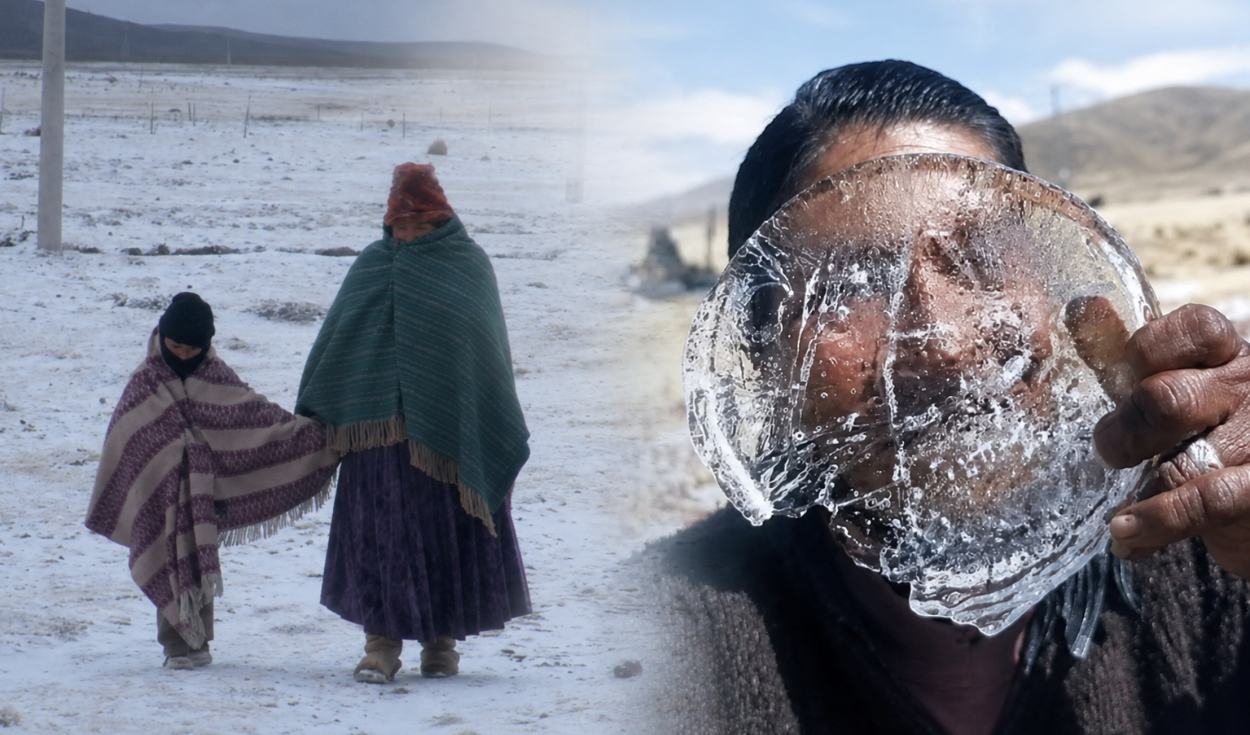
- The area, situated nearly 4,000 meters above sea level, experienced extreme cold, causing water to freeze and skin to crack.
- Senamhi forecasts warmer daytime temperatures for Arequipa in early August, with increased UV radiation, advising protective measures.
The high-altitude sector of Patahuasi, located in the Yanahuara district of Peru's Arequipa region, has registered the lowest temperature of the 2026 winter season, plummeting to a frigid -21°C. This extreme cold surpassed the predictions of specialists from the National Service of Meteorology and Hydrology (Senamhi), who had anticipated minimums of up to -17°C for areas above 4,000 meters.
Patahuasi, nestled in the Andean community of Tambo Cañahuas at 3,900 meters above sea level, is a small settlement primarily engaged in alpaca farming. It is known as one of the coldest areas in the southern region. Residents report that water from taps freezes before hitting the ground, and the intense cold causes skin to redden and crack.
Looking ahead, Senamhi has issued a new forecast indicating an increase in daytime temperatures for both the coast and highlands of Arequipa between August 5 and 7. Coastal temperatures are expected to range between 23°C and 34°C, while highland temperatures could fluctuate between 14°C and 27°C. This warming trend is anticipated to raise ultraviolet (UV) radiation levels, prompting recommendations for the public to use sunscreen, wear long sleeves, hats, and stay hydrated.
DistantNews Editorial
Originally published by La República in Spanish. Translated, summarized, and contextualized by our editorial team with added local perspective. Read our editorial standards.
More Stories
From Our Blog

What Gets Lost (and Found) When News Is Translated

The Critical Role of Diaspora Media in Global News

What Travellers Should Know About Countries with Restricted Press

A Digital Nomad's Guide to Following Local News

How the Same Story Looks Different in Different Countries
