

Peru's Senate and Chamber of Deputies convene ahead of Fujimori's inauguration
Translated from Spanish, summarized and contextualized by DistantNews.
At a glance
News
Official statement
New plan
- Peru's Senate and Chamber of Deputies convened their first annual session a day before Keiko Fujimori's inauguration.
- The bicameral parliament, returning after over 34 years, will have its leadership split between Fujimori's party and opposition coalitions.
- Fujimori's party will lead the Senate, while a center-left coalition will head the Chamber of Deputies.
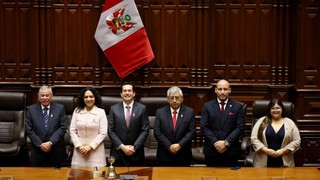
Peru's bicameral Congress convened its first annual session on Monday, marking a significant return to a two-chamber system after more than three decades. The installation of both the Senate and the Chamber of Deputies occurs just one day before the inauguration of President-elect Keiko Fujimori.
The annual session will run from July 27 until July 26, 2027, encompassing two legislative periods. The first period concludes on December 15, with the second beginning on March 1 and ending on June 15. This structure sets the stage for legislative activity under the new administration.
Leadership of the chambers reflects a divided political landscape. Fujimori's party, Fuerza Popular, will preside over the Senate for the 2026-2027 period, with Senator Miguel Torres sworn in as its president. He will also serve as president of Congress for the upcoming year. Meanwhile, a coalition of center and left-wing parties, calling themselves 'Consenso por la democracia,' secured the presidency of the Chamber of Deputies for the same period after defeating Fuerza Popular's candidate.
The Senate's leadership board includes members from Fuerza Popular and the far-right Renovación Popular. The Chamber of Deputies' board is led by Jesús Reto and comprises members from various centrist and leftist parties, forming a united opposition front against Fujimorismo. This arrangement underscores the political dynamics shaping Peru's legislative branch as it begins its new term.
DistantNews Editorial
Originally published by El Deber in Spanish. Translated, summarized, and contextualized by our editorial team with added local perspective. Read our editorial standards.
More Stories


From Our Blog

What Gets Lost (and Found) When News Is Translated

The Critical Role of Diaspora Media in Global News

What Travellers Should Know About Countries with Restricted Press

A Digital Nomad's Guide to Following Local News

How the Same Story Looks Different in Different Countries
