


🇳🇬
Nigeria
PFIPC Scandal is About Public Accountability, Not One Man - Kwankwasiyya Movement
Translated from English, summarized and contextualized by DistantNews.
At a glance
News
Named sources
Under investigation
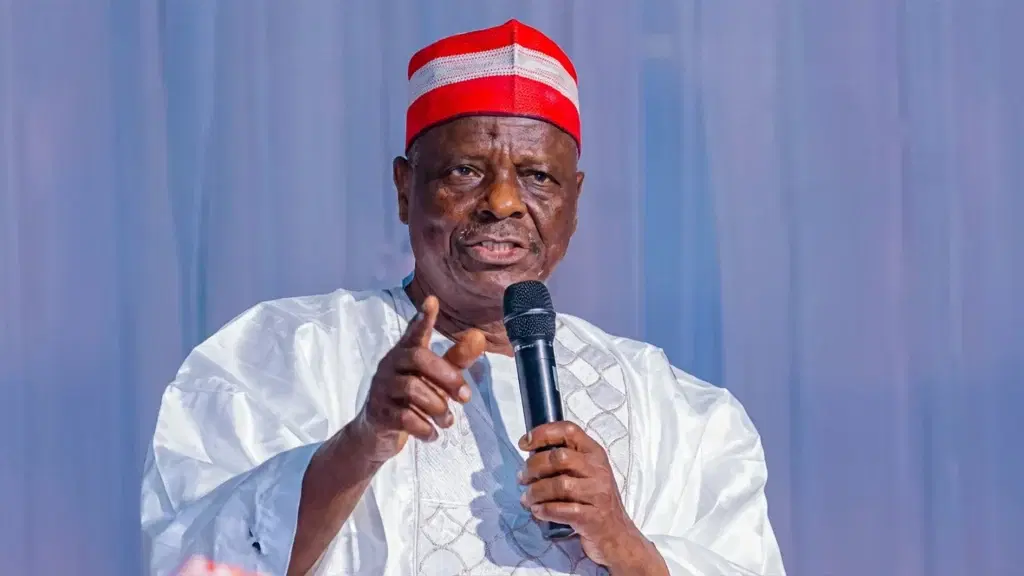
- The Kwankwasiyya Movement stated that the controversy surrounding the alleged Presidential Foreign Intervention Promotion Council (PFIPC) is a matter of public accountability.
- The movement questions how an entity with a similar name could be allocated over ₦1 billion in the national budget if it never existed, demanding clear answers from the Federal Government.
- They urged the Tinubu administration to uphold its promises of transparency and institutional reform by providing full disclosure and called for an independent investigation into the matter.
The Kwankwasiyya Movement has asserted that the controversy surrounding the alleged Presidential Foreign Intervention Promotion Council (PFIPC) transcends the actions of a single individual, escalating into a significant issue of public accountability that necessitates a comprehensive explanation from Nigeria's Federal Government. The movement highlighted that while the Presidency has denied the council's existence, reports of a substantial allocation of over ₦1 billion to an entity with a similar name in the 2026 Appropriation Act have fueled serious concerns about governmental transparency and credibility.
This controversy cannot simply be dismissed as the misconduct of one individual.
"This controversy cannot simply be dismissed as the misconduct of one individual," the movement stated, posing critical questions: If the council never existed, how did it appear in the national budget? Who proposed and approved the allocation? Which government offices processed the documentation? Was any public money disbursed? And if official documents were allegedly forged, how did they remain undetected for so long? The group emphasized that these are not partisan inquiries but fundamental questions of public accountability that Nigerians are entitled to have answered.
Nigerians are entitled to know: If the council never existed, how did it find its way into the national budget? Who proposed and approved the allocation? Which government offices processed the documentation? Was any public money released or committed? If official documents were allegedly forged, how were they used for such a long period without detection?
The movement views the government's response to this controversy as a crucial test of the Tinubu administration's commitment to its promises of institutional reform, transparency, and responsible governance. They warned that silence, inconsistent explanations, or attempts to deflect responsibility could further erode public trust. Furthermore, the Kwankwasiyya Movement suggested that such controversies could negatively impact Nigeria's international standing, as foreign investors consider the credibility of public institutions alongside economic policies.
These are not partisan questions. They are questions of public accountability.
Consequently, the Kwankwasiyya Movement has called upon the Presidency to release a detailed account of the budgetary provision's origin, the administrative procedures involved, and the measures being implemented to prevent future occurrences. They also urged the National Assembly, anti-corruption agencies, and other oversight bodies to conduct an independent investigation in accordance with the law, stating, "The Nigerian people deserve the truth, and they deserve it without delay."
The Tinubu administration came into office promising renewed hope, institutional reform and responsible governance. Those promises must now be measured against its willingness to provide full disclosure on this and other matters.
DistantNews Editorial
Originally published by Vanguard in English. Translated, summarized, and contextualized by our editorial team with added local perspective. Read our editorial standards.
More Stories

From Our Blog

How the Same Story Looks Different in Different Countries

What Gets Lost (and Found) When News Is Translated

The Critical Role of Diaspora Media in Global News

What Travellers Should Know About Countries with Restricted Press

A Digital Nomad's Guide to Following Local News
