


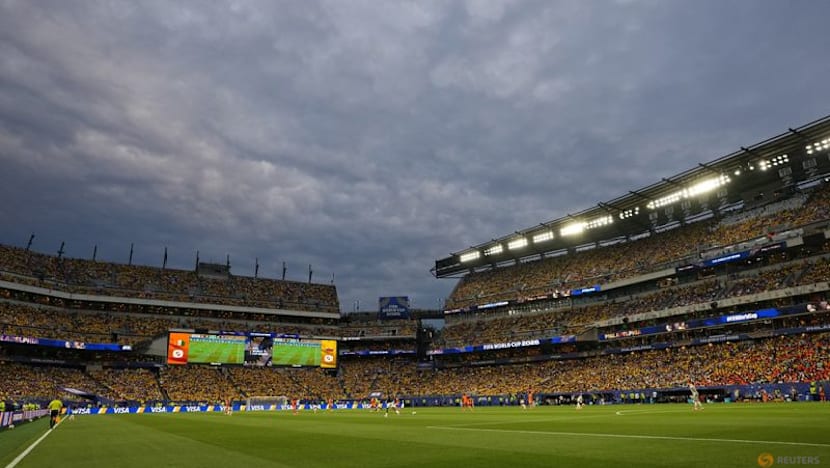
Philadelphia Police Deploy Real-Time Translation Cameras for World Cup
Translated from English, summarized and contextualized by DistantNews.
At a glance
News
Sources not specified
New plan
- Philadelphia police are using new body cameras capable of translating 50 languages in real time to assist World Cup visitors.
- The technology allows officers to communicate instantly with non-English speakers, bypassing previous delays caused by language services.
- While useful for immediate interactions, certified translators are still required for official court proceedings.
Philadelphia police officers are now equipped with advanced body cameras that offer real-time translation in 50 languages, enhancing communication with foreign language speakers as the city prepares for the World Cup. This cutting-edge technology aims to bridge language barriers instantly, eliminating the need for specialized personnel or lengthy language service calls during police encounters.
For an officer to have someone, particularly if they speak no English, we either have a police officer - if we understand the language that they speak - to potentially come to the scene or call into our language line. That can take a very delayed process. So part of our journey was to now have a tool... A body-worn camera that, using the technology, will be able to translate in the moment. That was significant.
Police Commissioner Kevin Bethel described the technology as a "game changer," significantly boosting the force's efficiency, especially with major teams like Brazil, France, and Croatia scheduled to play in the city. "For an officer to have someone, particularly if they speak no English, we either have a police officer... or call into our language line," Bethel explained to Reuters. "That can take a very delayed process. So part of our journey was to now have a tool... A body-worn camera that, using the technology, will be able to translate in the moment."
It's not just about FIFA (World Cup). We serve a large community who do not speak English as their first language. So this is a tool that, even though we're launching it now, will live well beyond the (World Cup) and the 250th (anniversary of American independence) celebration.
Bethel emphasized that the system's benefits extend far beyond the World Cup. "It's not just about FIFA (World Cup). We serve a large community who do not speak English as their first language. So this is a tool that, even though we're launching it now, will live well beyond the (World Cup) and the 250th (anniversary of American independence) celebration." He added that the technology would also encourage proactive engagement with non-English speakers, assuring visitors they can approach officers and be understood.
We're bringing people from all over the world to come into our city. They know they can come up to a police officer, engage them and they'll be able to fully understand what they're saying. That's a home run and we'll take it every day.
However, the commissioner acknowledged legal limitations. Interactions escalating to criminal proceedings will still necessitate certified translators to ensure the accuracy of transcripts used as court evidence. "When it moves into the criminal process, that still will require someone who's certified to make sure, because that transcript now is going into the courtroom. We cannot just solely rely on the AI technology," Bethel stated. He also noted the cameras capture all ambient conversation, requiring careful review to ensure transcripts are accurate before being presented in court.
When it moves into the criminal process, that still will require someone who's certified to make sure, because that transcript now is going into the courtroom. We cannot just solely rely on the AI technology.
DistantNews Editorial
Originally published by CNA in English. Translated, summarized, and contextualized by our editorial team with added local perspective. Read our editorial standards.
More Stories

From Our Blog

What Gets Lost (and Found) When News Is Translated

The Critical Role of Diaspora Media in Global News

What Travellers Should Know About Countries with Restricted Press

A Digital Nomad's Guide to Following Local News

How the Same Story Looks Different in Different Countries
