


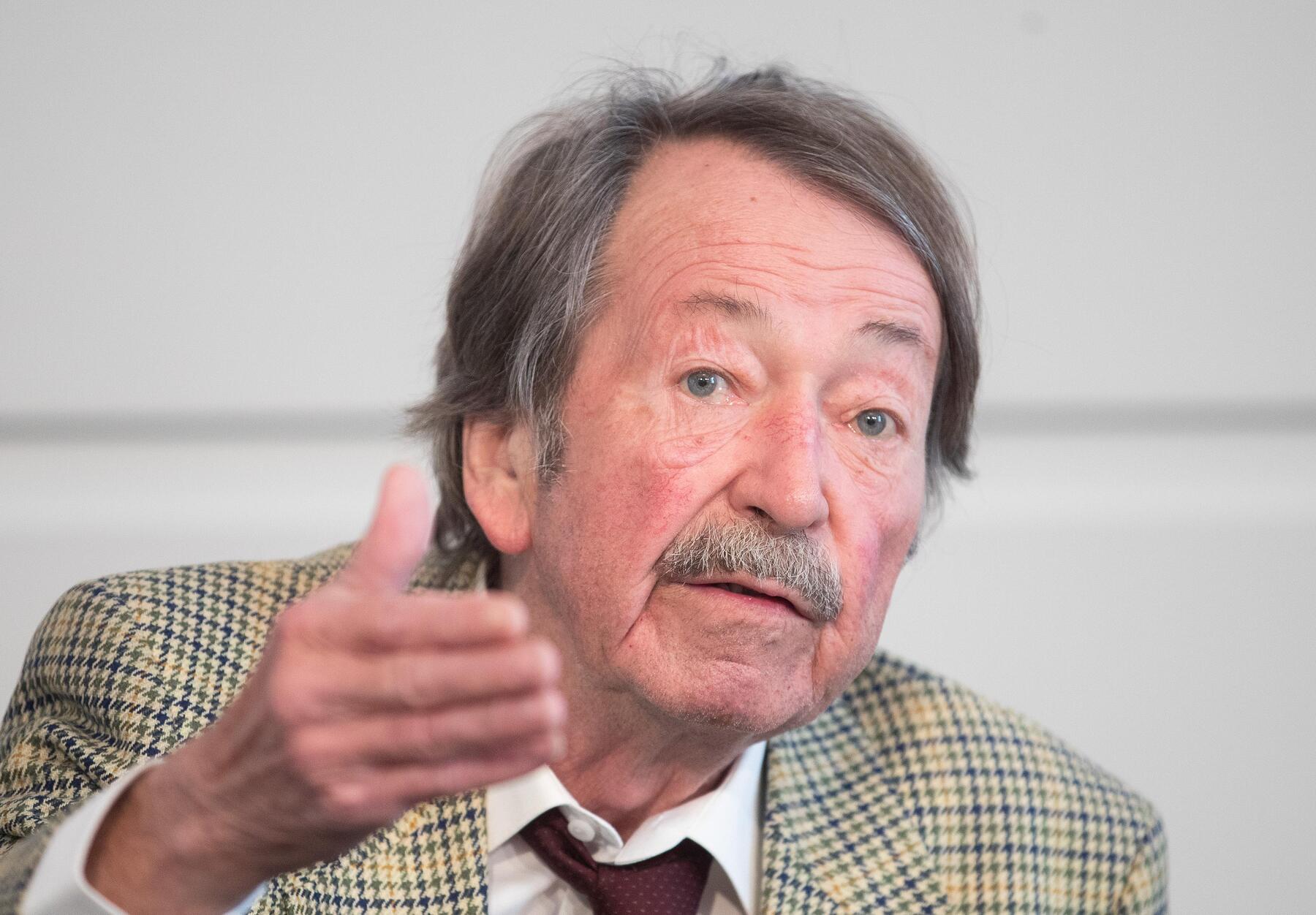
Philosopher Peter Kampits, advocate for ethics education, dies at 83
Translated from German, summarized and contextualized by DistantNews.
At a glance
News
Sources not specified
Outcome reported
- Austrian philosopher Peter Kampits, a proponent of ethics education in schools, has died at the age of 83 after a long illness.
- Kampits was the founding dean of the Faculty of Philosophy and Educational Sciences at the University of Vienna and a key figure in higher education policy.
- He was known for his work on existentialism, particularly Jean-Paul Sartre, and frequently commented on societal developments, including critical stances on the Bologna Process and COVID-19 measures.
Peter Kampits, a prominent Austrian philosopher and advocate for ethics education, has passed away at the age of 83 following a prolonged illness. Kampits was a significant figure in academia, serving as the founding dean of the Faculty of Philosophy and Educational Sciences at the University of Vienna and co-initiating the Danube University Krems.
Born in Vienna in 1942, Kampits was a specialist in the works of Jean-Paul Sartre and a keen observer of contemporary philosophy. His academic career included doctoral studies at the University of Vienna and postgraduate work at the Sorbonne in Paris. He later habilitated at the University of Vienna with a thesis on Sartre and Gabriel Marcel, whom he also translated into German. Kampits held a professorship from 1977 and led the Institute of Philosophy at the University of Vienna for two terms, guiding its reorientation.
Beyond his academic contributions, Kampits was actively involved in university policy and frequently shared his views on societal trends through numerous publications, radio, and television appearances. He served as president of the Austrian Society for Philosophy from 1988 to 1990. As the first dean of the Faculty of Philosophy and Educational Sciences from 2004 to 2008, he played a crucial role in shaping the faculty's direction.
Kampits was known for his critical engagement with various societal issues. He expressed skepticism towards the Bologna Process in higher education and took stances on debates surrounding assisted suicide. In recent years, he voiced critical opinions regarding developments during the COVID-19 pandemic, particularly expressing reservations about vaccine mandates. He also commented on the Ukraine war, earning an honorary doctorate from the University of Kyiv. His engagement with medical ethics, including his membership in the Bioethics Commission, and his consistent advocacy for mandatory ethics education in schools and universities underscored his commitment to philosophical inquiry and its societal relevance.
DistantNews Editorial
Originally published by Die Presse in German. Translated, summarized, and contextualized by our editorial team with added local perspective. Read our editorial standards.
More Stories


From Our Blog

What Gets Lost (and Found) When News Is Translated

The Critical Role of Diaspora Media in Global News

What Travellers Should Know About Countries with Restricted Press

A Digital Nomad's Guide to Following Local News

How the Same Story Looks Different in Different Countries
