

Photojournalist in Iran: 'I Felt Like a Stranger During the Ceasefire'
Translated from German, summarized and contextualized by DistantNews.
TLDR
- Photojournalist Rouzbeh Radfar documents life and conflict in Iran under pseudonymous conditions.
- Radfar faces constant risk of detention, interrogation, and confiscation of equipment while working.
- He emphasizes the importance of his job in making the realities of destruction and civilian suffering visible.
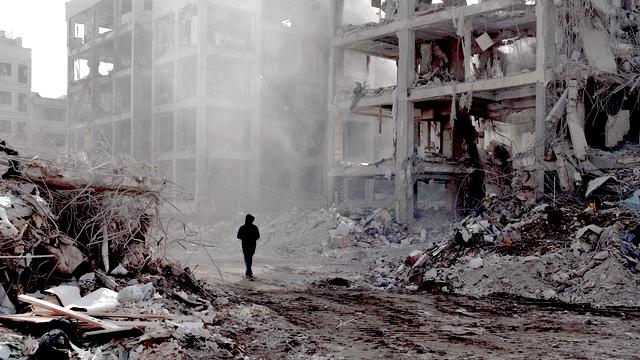
In Iran, the work of photojournalists like Rouzbeh Radfar (a pseudonym) is a testament to the courage required to document reality under immense pressure. For ZEIT, Radfar has been capturing the ongoing protests and the realities of war since 2021. His recent work, produced during a fragile two-week ceasefire, offers a stark glimpse into Tehran, described as a city under constant surveillance by checkpoints and plainclothes Revolutionary Guards.
Radfar's daily existence is fraught with the peril of being controlled or detained, having experienced interrogations and forced deletion of photos. The urgency of his work, especially during wartime, is amplified by the fear of intervention. Yet, he remains committed, driven by an unshakeable belief in the necessity of bearing witness to destruction, civilian casualties, and the resilience of life amidst conflict.
I expect to be controlled or arrested at any time. This has happened several times in recent weeks, I was interrogated for several hours and released again. I had to delete photos or hand over memory cards.
This situation underscores a critical difference in how such stories are perceived. While international media might focus on geopolitical tensions, for us in Iran, Radfar's lens reveals the deeply personal and immediate impact of these events on ordinary lives. His photographs are not just images; they are acts of defiance, making the invisible visible and preserving a record that authorities might prefer to erase. The dedication of journalists like Radfar, working under such duress, is vital for understanding the true human cost of the ongoing struggles.
Especially in the war, I had to work hastily, in constant fear that someone would intervene. But it is my job to document. I cannot ignore what I see: the destruction, the civilian victims, life in the war. I want to make it visible.
DistantNews Editorial
Originally published by Die Zeit in German. Translated, summarized, and contextualized by our editorial team with added local perspective. Read our editorial standards.
More Stories

From Our Blog

What Gets Lost (and Found) When News Is Translated

How the Same Story Looks Different in Different Countries

The Critical Role of Diaspora Media in Global News

What Travellers Should Know About Countries with Restricted Press

A Digital Nomad's Guide to Following Local News
