


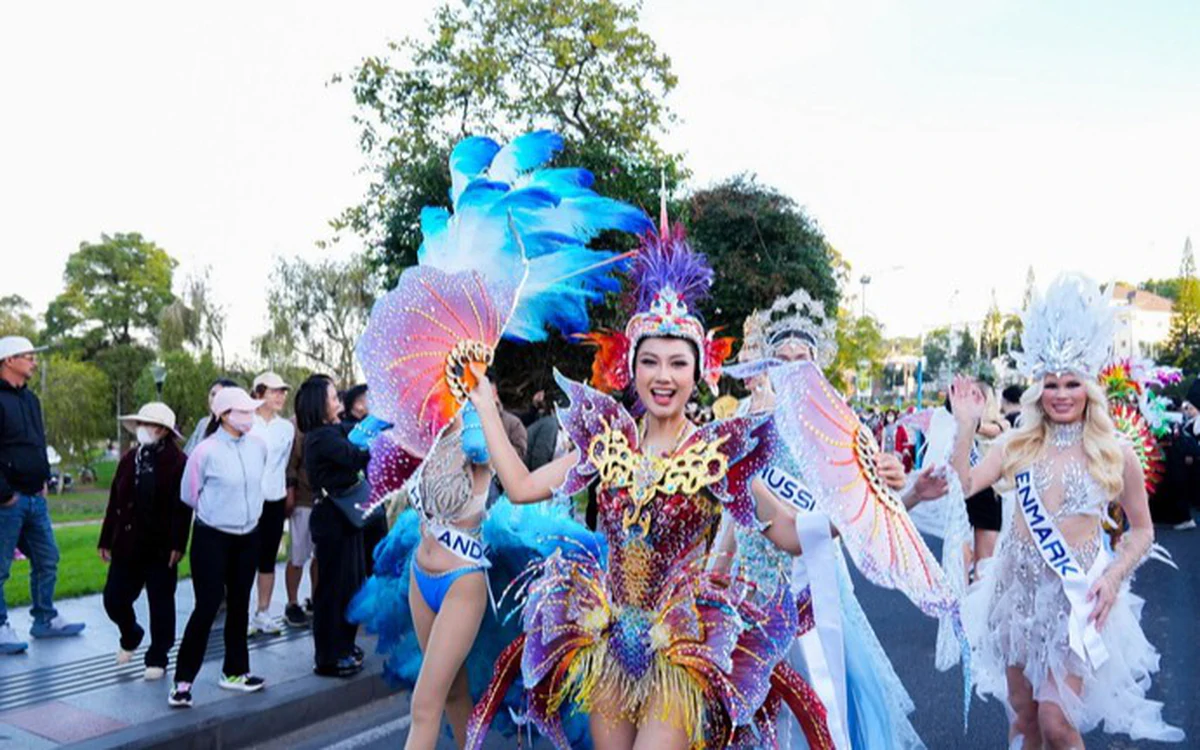

Planning Must Go Hand in Hand With Resources
Translated from Vietnamese and summarized by DistantNews. Read the original for the full story.
At a glance
Analysis
Sources not specified
Context piece
- Ho Chi Minh City faces rising infrastructure needs as its urban area, population and economy expand, while long-standing problems remain in transport, flooding, housing and public spaces.
- The article argues that the city should identify funding and implementation mechanisms during the planning process, rather than seek them only after plans receive approval.
- It proposes linking community infrastructure with revenue-generating urban development to mobilize resources without commercializing public facilities.
Ho Chi Minh City cannot keep drawing ambitious plans and searching for the money afterward. As the city expands and pursues double-digit growth, the question of resources must be raised at the earliest stage of planning.
The pressure is growing across the city. Urban space, population and economic scale are all increasing, while traffic congestion, flooding, housing shortages, parks, urban renewal and public transport still require solutions. The city cannot rely solely on its budget. Public investment should serve as seed capital that guides and activates resources from society.
That means reversing the familiar sequence. Instead of approving a plan and then asking where to find capital, investors and implementation mechanisms, planners should design the development structure and its funding at the same time. A workable plan must specify what will be developed, where and at what scale, which infrastructure must come first, who will invest, where the resources will come from, and how the resulting value will be shared and reinvested.
Too many areas already have clearly marked functions on maps but have not become usable spaces for residents. A planned park remains only land without funding. A road remains a line on paper without an investment mechanism and land clearance. Urban renewal stalls when no one knows who will invest, how the investment will work or how benefits will be divided.
The article revisits an approach proposed earlier: combine public-serving projects with developments capable of generating revenue. Roads could be linked to the careful use of adjacent land and space, while parks and public buildings could form part of larger urban development projects with suitable commercial and service functions. The stated aim is not to commercialize public infrastructure, but to capture development value and use it to create the community facilities themselves. Higher density also cannot be approved where infrastructure cannot cope, while increased land value from new infrastructure requires a mechanism for the city to recover and reinvest that value.
About this summary
Originally published by Tuổi Trẻ in Vietnamese. Translated, summarized, and contextualized automatically by DistantNews, with a note on how the source frames the story. Not individually reviewed before publishing. How this works.
More Stories
From Our Blog

News in Translation: What Gets Lost, and How We Keep the Framing

Diaspora Media: How Communities Follow News From Home

Traveling Where the Press Is Not Free: How to Read the News There

The Digital Nomad's Guide to Local News

The Same Story, Different Countries: How Coverage Changes at the Border
