


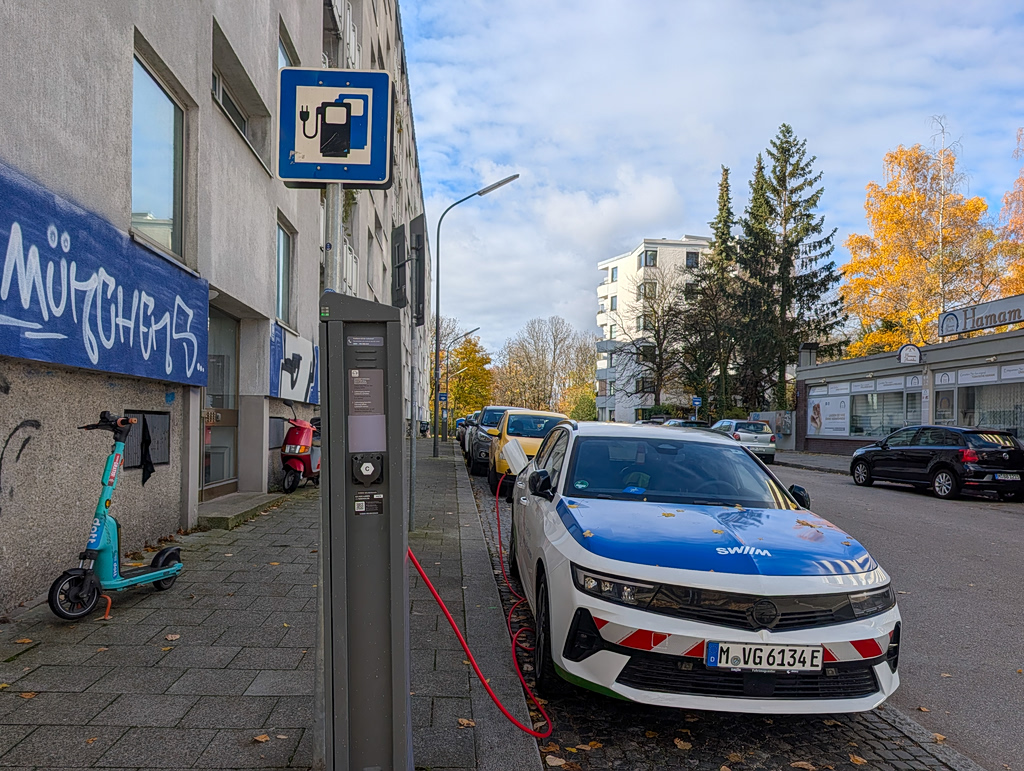
Plug-in Hybrids in Europe Consume 300% More Fuel Than Advertised, Study Finds
Translated from Greek, summarized and contextualized by DistantNews.
TLDR
- A study by the Fraunhofer Institute found that plug-in hybrid electric vehicles (PHEVs) in Europe consume 5.9 liters of fuel per 100 km on average, which is 300% higher than official manufacturer figures.
- The internal combustion engine in PHEVs is active for about 75% of driving time, often used even when battery power is available, significantly increasing fuel consumption and emissions.
- The European Federation for Transport and Environment warns that the gap between official and real-world emissions could jeopardize the EU's climate neutrality goals.
New research from the Fraunhofer Institute has exposed a significant discrepancy between the advertised fuel efficiency of plug-in hybrid electric vehicles (PHEVs) and their actual performance on European roads. The study, which analyzed data from one million PHEVs registered between 2021 and 2023, reveals that these vehicles consume an average of 5.9 liters of fuel per 100 kilometers. This figure is a staggering 300% higher than the official consumption rates provided by manufacturers.
The average actual fuel consumption of plug-in hybrid cars in Europe reaches 5.9 liters per 100 kilometers, a figure approximately 300% higher than the official manufacturer figures.
The findings indicate that the internal combustion engine in PHEVs remains active for approximately 75% of the driving time. Worryingly, many drivers continue to utilize the combustion engine even when sufficient battery charge is available, often to support the electric motors. This reliance on the combustion engine inflates fuel consumption by an average of at least 2.8 liters per 100 km and increases CO₂ emissions by 65 grams per kilometer, directly contradicting the environmental benefits touted by PHEV technology.
The combustion engine of a PHEV is deactivated only for about 25% of the driving.
The European Federation for Transport and Environment (T&E) has repeatedly highlighted this gap between official and real-world emissions. T&E warns that if regulatory standards for CO₂ emissions are weakened, the increased pollution from vehicles like PHEVs could significantly hinder the European Union's progress towards its climate neutrality objectives. This research raises critical questions about the effectiveness of current vehicle classifications and the need for more realistic testing procedures to ensure genuine progress in reducing transportation emissions.
Many vehicles continue to use the internal combustion engine even when battery energy is available, as their electric motors require support.
DistantNews Editorial
Originally published by Ta Nea in Greek. Translated, summarized, and contextualized by our editorial team with added local perspective. Read our editorial standards.
More Stories


From Our Blog

What Gets Lost (and Found) When News Is Translated

The Critical Role of Diaspora Media in Global News

What Travellers Should Know About Countries with Restricted Press

A Digital Nomad's Guide to Following Local News

How the Same Story Looks Different in Different Countries
