

Poland emerges as major aluminum importer, sourcing from Russia amid market shifts
Translated from Polish, summarized and contextualized by DistantNews.
At a glance
News
Sources not specified
Context piece
- Poland is a major global importer of aluminum, sourcing it even from Russia.
- Global aluminum markets have been affected by Middle East conflicts and rising copper prices, which encourage the use of aluminum as a cheaper alternative.
- The automotive and electronics industries are increasingly adopting aluminum, with projections suggesting significant substitution of copper components by 2030.
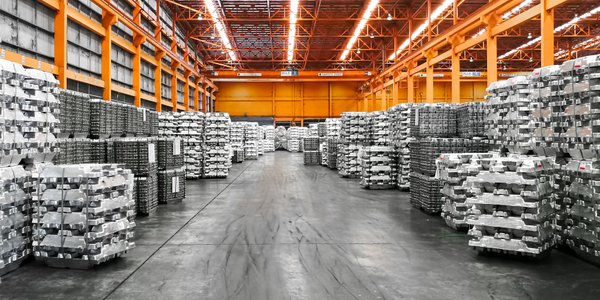
Poland stands as one of the world's largest importers of aluminum, a critical raw material for numerous industries. Significantly, the country continues to import this metal even from Russia, highlighting complex geopolitical and economic dynamics in the global supply chain.
Recent shifts in the aluminum market have been driven by multiple factors. Conflicts in the Middle East disrupted traditional supply routes, leading to shortages within the European Union. This disruption created an opening for Russia, which has seen a notable increase in its primary aluminum production. Simultaneously, rising copper prices have pushed industries to seek more affordable alternatives, with aluminum emerging as a key substitute, particularly in sectors like automotive and manufacturing of household appliances.
Industry forecasts predict a substantial shift away from copper towards aluminum in the coming years. Projections suggest that by 2030, up to 30 percent of components currently made from copper in the energy, automotive, and home appliance sectors could be replaced by aluminum. This trend is already visible, with manufacturers like Ferrari and BMW incorporating aluminum electrical systems into their new vehicle models. Meanwhile, Poland itself is a significant player in the copper market, ranking as the EU's largest exporter and eighth globally last year, according to the Polish Economic Institute.
DistantNews Editorial
Originally published by Rzeczpospolita in Polish. Translated, summarized, and contextualized by our editorial team with added local perspective. Read our editorial standards.
More Stories


From Our Blog

What Gets Lost (and Found) When News Is Translated

The Critical Role of Diaspora Media in Global News

What Travellers Should Know About Countries with Restricted Press

A Digital Nomad's Guide to Following Local News

How the Same Story Looks Different in Different Countries
