

Poland Faces Structural Demographic Crisis: Experts at EEC Warn of Low Birth Rates
Translated from Polish, summarized and contextualized by DistantNews.
TLDR
- Poland's low birth rate is a structural demographic crisis, not a temporary issue, experts stated at the European Economic Congress in Katowice.
- The fertility rate is projected to be around 1.05 this year, far below the 2.1 needed for generational replacement, with a similar trend seen globally.
- This demographic shift impacts the economy, labor market, consumption, and requires long-term adaptation strategies from companies and governments.
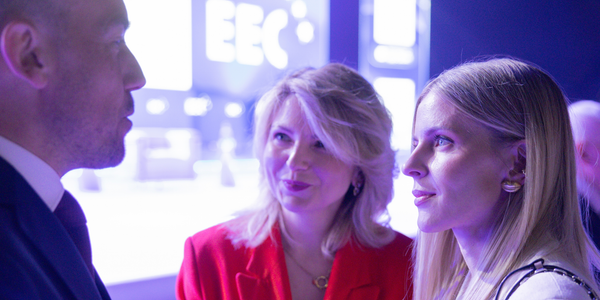
The European Economic Congress in Katowice, a major hub for business, politics, and science in Central Europe, has highlighted a critical issue facing Poland and much of the world: a profound demographic crisis. Experts convened to discuss the declining birth rates and aging populations, framing it not as a fleeting crisis but a "new reality" that demands fundamental adaptation.
We must get used to the changes that have occurred. They are not temporary. A crisis is something that comes and goes, and demographic changes will not go away.
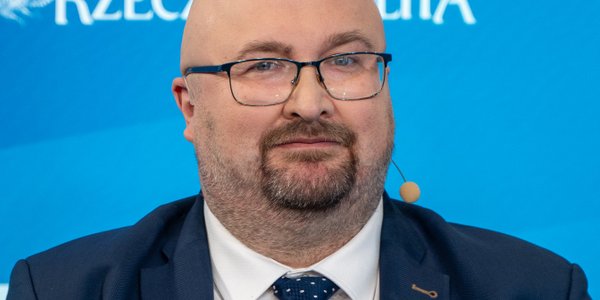
Paweł Strzelecki, deputy director of the Institute of Statistics and Demography, emphasized that these demographic shifts are permanent, unlike temporary crises. Hanna Strzelecka of the Central Statistical Office noted that the decline in fertility has been a long-standing concern, with the current rate hovering around a concerning 1.05 children per woman. This figure is starkly below the 2.1 needed for generational replacement, a situation mirrored globally, as Bartosz Marczuk, a social policy expert, pointed out.
We have been talking about a demographic crisis for a long time. This is not a matter of today or yesterday. This is a matter of years. We know this because we have been observing the decline in the fertility rate for a very long time.
Marczuk further elaborated on the "structural crisis" in Poland's demographics, stressing the inertia inherent in these trends. Children not born will not be born, and longer lifespans mean an aging population. This has far-reaching implications for Poland's economy, labor market, consumption patterns, investment, infrastructure, and social services. The discussion underscored the urgent need for long-term strategies from both corporations and the state to navigate this evolving landscape. The European Economic Congress serves as a vital platform for addressing such pressing national and regional challenges.
This is not a crisis, but a new reality that we need to deal with, find a way out, and adapt.
DistantNews Editorial
Originally published by Rzeczpospolita in Polish. Translated, summarized, and contextualized by our editorial team with added local perspective. Read our editorial standards.
More Stories

From Our Blog

What Gets Lost (and Found) When News Is Translated

The Critical Role of Diaspora Media in Global News

What Travellers Should Know About Countries with Restricted Press

A Digital Nomad's Guide to Following Local News

How the Same Story Looks Different in Different Countries
