


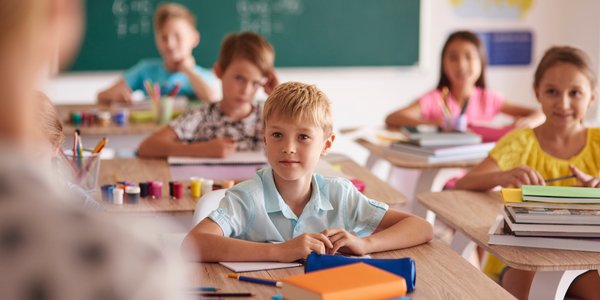
Poland: Parents Spend Twice Government Aid on School Supplies
Translated from Polish, summarized and contextualized by DistantNews.
At a glance
News
Named sources
Context piece
- Parents in Poland plan to spend significantly more on school supplies than the government's 300 zł (approximately $75)
Polish parents are preparing for the back-to-school season with a mix of caution and commitment, planning to spend more than double the government's contribution for school supplies. While the "Dobry start" program offers 300 zł per child, over half of parents anticipate spending over 500 zł, and a quarter expect to exceed 700 zł on essential items.
For many parents, it is important that the child feels confident and comfortable at school. Therefore, purchasing decisions are most often consulted with children.
Research indicates a slight decrease in average spending compared to last year, with parents becoming more thrifty. They are planning purchases further in advance and are more conscious of their household budgets. However, the desire to ensure children feel confident and comfortable at school remains a priority, often involving children in the selection process.
This year, compared to last year, there is a slight change in attitudes. Parents want to provide children with appropriate supplies and conditions for learning, but they do so with greater caution and awareness of the household budget.
Despite concerns about costs, which are the primary source of stress for 61% of parents, many are adapting their strategies. While some begin preparations early, others wait for school guidelines or sales. The overall sentiment suggests a careful approach to back-to-school shopping, balancing financial prudence with the need to equip children adequately for the academic year.
The school supply kit is not just a list of products to tick off for parents, but also specific budgetary, logistical, and quality decisions. Some families start preparations earlier, some wait for school guidelines or promotions.
DistantNews Editorial
Originally published by Rzeczpospolita in Polish. Translated, summarized, and contextualized by our editorial team with added local perspective. Read our editorial standards.
More Stories


From Our Blog

What Gets Lost (and Found) When News Is Translated

The Critical Role of Diaspora Media in Global News

What Travellers Should Know About Countries with Restricted Press

A Digital Nomad's Guide to Following Local News

How the Same Story Looks Different in Different Countries
