

Poland Rejects EU Decisions on Russia Made Without Its Input
Translated from Latvian, summarized and contextualized by DistantNews.
At a glance
News
Named sources
Ongoing story
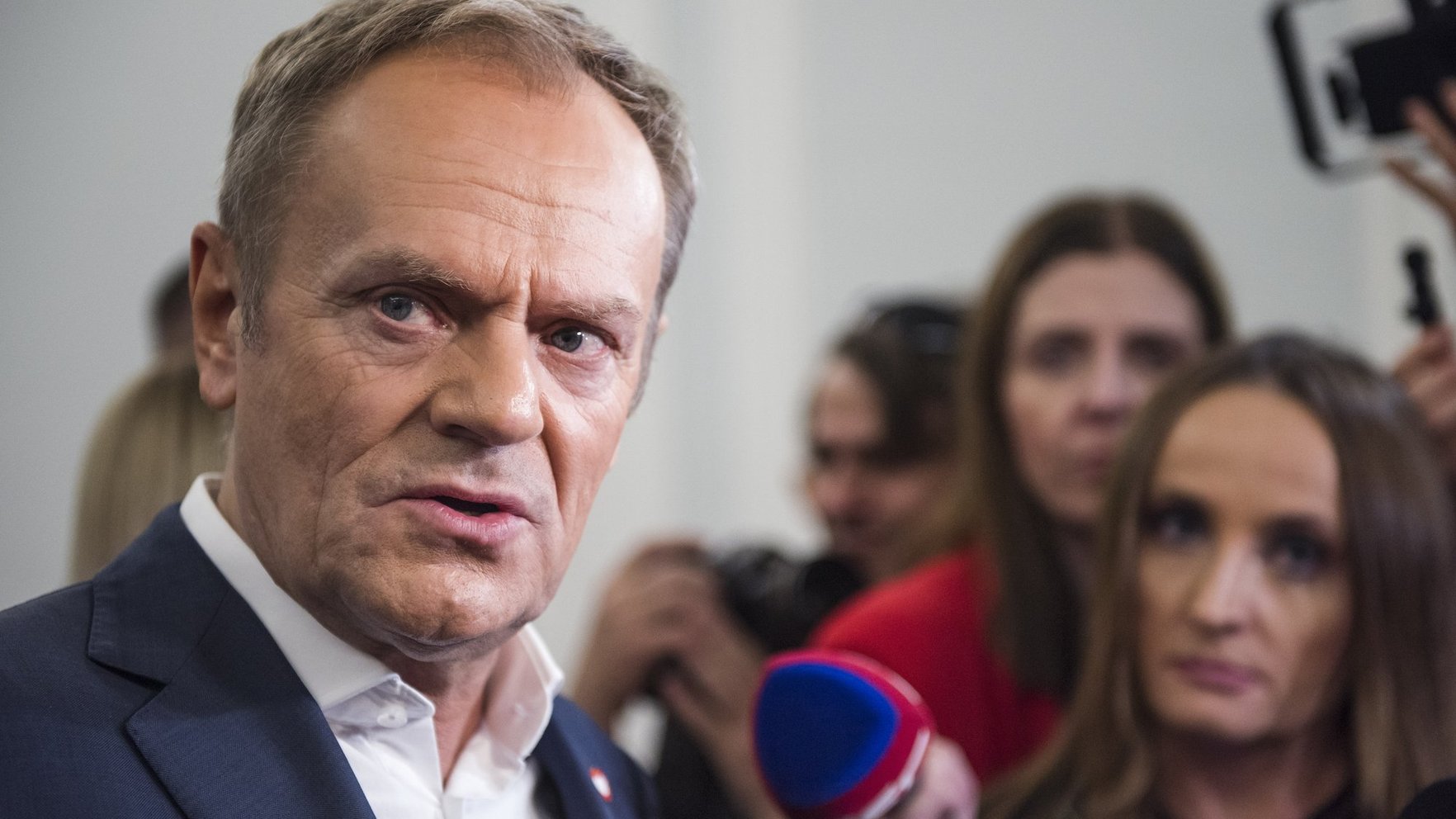
- Poland will not recognize EU decisions on Russia and security made without its involvement, Prime Minister Donald Tusk stated.
- Tusk conveyed this position to EU leaders at a summit in Brussels, criticizing attempts to open diplomatic channels with Russia without prior consultation.
- Poland, along with Baltic and Scandinavian countries, warned against trusting the Kremlin, while Tusk specifically rejected the E3 format (France, Germany, Britain) having an exclusive role in talks.
Polish Prime Minister Donald Tusk declared that Poland will not recognize European Union decisions concerning Russia and security matters if they are made without Warsaw's participation. Tusk communicated this firm stance to fellow EU leaders during a summit in Brussels, signaling strong opposition to initiatives perceived as bypassing Polish interests.
The controversy stems partly from European Council President Charles Michel's efforts to open diplomatic channels with Russia. Tusk, along with leaders from Baltic and Scandinavian nations, has expressed skepticism about engaging with the Kremlin, warning against misplaced trust. The method and timing of Michel's outreach have drawn criticism, particularly for a lack of prior consultation with all member states.
Poland will not recognize European decisions on security issues and relations with Russia if they are made without Warsaw's involvement.
Tusk specifically took issue with the E3 format, comprising France, Germany, and Britain, potentially playing an exclusive role in negotiations with Russia. He asserted that Poland would not consider security decisions binding if made in European formats where it is not represented. This position highlights Poland's insistence on its significant role in regional security discussions, especially given its proximity to Russia and ongoing concerns about Russian aggression.
Despite these reservations, the report notes that most EU leaders ultimately supported maintaining the European Council president's coordinating role. However, Tusk's clear message underscores the complexities and differing priorities among EU member states regarding relations with Russia and the ongoing conflict in Ukraine. Estonia's Prime Minister Kaja Kallas also voiced concerns, stating the EU cannot mediate talks as it might jeopardize its support for Ukraine, emphasizing that any diplomatic process must be led by Kyiv.
The EU cannot take on the role of mediator in negotiations between Russia and Ukraine, as it could jeopardize the EU's ability to support Ukraine.
DistantNews Editorial
Originally published by Delfi Latvia in Latvian. Translated, summarized, and contextualized by our editorial team with added local perspective. Read our editorial standards.
More Stories
From Our Blog

What Gets Lost (and Found) When News Is Translated

The Critical Role of Diaspora Media in Global News

What Travellers Should Know About Countries with Restricted Press

A Digital Nomad's Guide to Following Local News

How the Same Story Looks Different in Different Countries
