


Poland's Allotment Gardens Cool Cities and Store Water
Translated from Polish, summarized and contextualized by DistantNews.
At a glance
In-depth
Sources not specified
Context piece
- Poland has approximately 5,000 allotment garden complexes covering nearly 1 million plots, serving almost 4 million people.
- These gardens can lower ambient temperatures by several degrees, store water, and support biodiversity.
- Experts suggest these areas should become vital urban infrastructure as climate change impacts intensify.
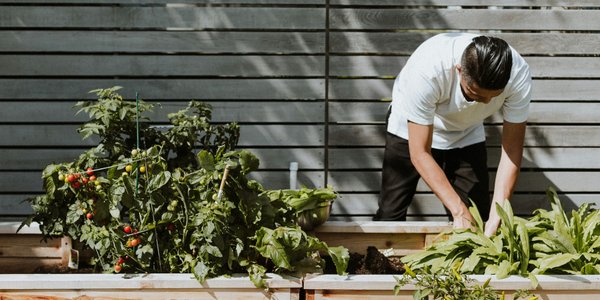
Poland is home to around 5,000 allotment garden complexes, known as Rodzinne Ogrody Działkowe (ROD), encompassing approximately 900,000 to 960,000 individual plots. These green spaces cover over 43,000 hectares and are utilized by nearly 4 million people, offering significant environmental benefits.
Research indicates that these gardens can reduce surrounding temperatures by several degrees Celsius. They also play a crucial role in water storage and promoting biodiversity. Furthermore, scientists note that the humus-rich soils within these gardens are exceptionally effective at absorbing carbon.
Experts believe that as the effects of climate change become more pronounced, these allotment gardens should be integrated as essential components of urban infrastructure. Studies by the German think tank Econics Institute highlight the growing importance of these areas in protecting cities from heatwaves. While large parks and forests offer the greatest cooling effect, RODs contribute significantly to lowering temperatures and mitigating the urban heat island phenomenon.
We cultivate the garden together with nature, not against it.
The cooling efficiency of allotment gardens depends on their size and design. Areas with numerous trees, managed in a naturalistic style, and with minimal concrete or asphalt surfaces are most effective. An example is the Aronia association's garden in Dresden, which features naturalistic pathways, allows for wild plant growth, and integrates fruit bushes and vegetables without strict separation. Gardeners there consciously avoid artificial fertilizers, pesticides, and peat, practicing cultivation methods that work with nature rather than against it.
Sven-Karsten Kaiser, a board member of the Aronia association, emphasized this approach, stating, "We cultivate the garden together with nature, not against it." This philosophy combines nature, environmental, and climate protection. Mulching, a technique used in these gardens, involves covering the soil with plant material. This reduces soil drying, conserves water, and improves growing conditions, leading to better yields. Kaiser noted that moisture loss from the soil halts biological activity, causing organisms to move deeper underground. He anticipates that climate change will necessitate more gardeners adopting such sustainable practices in the future.
When moisture disappears from the soil, biological life also ceases. Earthworms and microorganisms then move to its deeper layers.
DistantNews Editorial
Originally published by Rzeczpospolita in Polish. Translated, summarized, and contextualized by our editorial team with added local perspective. Read our editorial standards.
More Stories


From Our Blog

What Gets Lost (and Found) When News Is Translated

The Critical Role of Diaspora Media in Global News

What Travellers Should Know About Countries with Restricted Press

A Digital Nomad's Guide to Following Local News

How the Same Story Looks Different in Different Countries
