


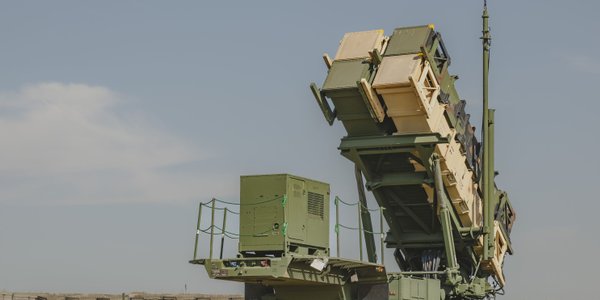
Poland's decision on PAC-3 missiles for Ukraine hinges on more than just government will
Translated from Polish, summarized and contextualized by DistantNews.
At a glance
News
Sources not specified
Ongoing story
- Poland's decision to transfer PAC-3 missiles to Ukraine is not solely up to the Polish government, as global conflicts affect delivery timelines.
- The Polish military has fewer than 200 PAC-3 missiles, with some already sent to Ukraine, and future deliveries are uncertain due to high demand and production delays.
- Poland has ordered PAC-2 GEM-T missiles as an alternative, with deliveries expected to begin this year.
The question of whether Poland will transfer PAC-3 missiles to Ukraine is complex and extends beyond a simple government decision. Global conflicts are significantly impacting the delivery schedules of crucial armaments for Poland, making any potential transfer to Kyiv a matter requiring careful consideration.
Poland's military currently possesses two batteries of Patriot systems, totaling 16 launchers, ordered in 2018. Approximately 200 PAC-3 MSE missiles were contracted, but not all have been delivered, and some have already been provided to Ukraine as part of an allied initiative. While Poland is set to receive six more Patriot batteries and around 600 PAC-3 missiles between 2027 and 2029, the exact delivery timeline for these is uncertain.
Compounding the issue, the significant use of PAC-3 missiles by the U.S. and Israel in their actions against Iran has led to delays in shipments to allies. Although production capacity is being increased, it will take several years to reach the projected output. Consequently, Poland anticipates receiving very few PAC-3 missiles in the coming years, if any.
In response to these supply challenges, Poland ordered PAC-2 GEM-T missiles in June for approximately $1 billion. Deliveries for these are expected to commence this year and continue until the end of 2031. This situation raises questions about what, if anything, Poland can realistically offer Ukraine in terms of PAC-3 missiles, especially given the ongoing demand and production constraints.
DistantNews Editorial
Originally published by Rzeczpospolita in Polish. Translated, summarized, and contextualized by our editorial team with added local perspective. Read our editorial standards.
More Stories


From Our Blog

What Gets Lost (and Found) When News Is Translated

The Critical Role of Diaspora Media in Global News

What Travellers Should Know About Countries with Restricted Press

A Digital Nomad's Guide to Following Local News

How the Same Story Looks Different in Different Countries
