


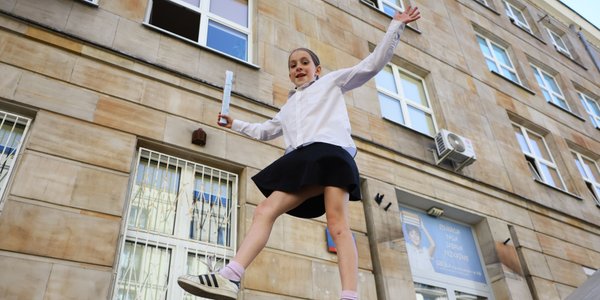
Poland's Education Reform: This is the Last School Year Under the Old System
Translated from Polish, summarized and contextualized by DistantNews.
At a glance
News
Sources not specified
New plan
- Poland's education ministry is implementing a comprehensive, multi-year reform called "Reforma26. Kompas Jutra," starting in the 2025/2026 school year.
- The reform aims to prepare students for future jobs by focusing on universal and modern skills, including digital hygiene and practical experiences, with changes rolling out gradually across different school levels.
- This academic year is the last for some students under the old curriculum, as new programs are introduced, including minimizing screen time for preschoolers and emphasizing key competencies over rote memorization.
Poland's education system is undergoing a significant transformation with the "Reforma26. Kompas Jutra" initiative, a multi-year overhaul designed to equip students for a rapidly evolving job market. The Ministry of National Education argues that up to 65% of current students will work in professions that do not yet exist, necessitating a shift towards universal and modern skills.
The reform, set to be implemented gradually from the 2025/2026 school year, introduces new subjects like health education and civic education, alongside changes to physical education curricula. This academic year marks the final one for some students learning under the previous educational framework.
Key tenets of the new curriculum include a focus on practical and experiential learning, the integration of new technologies, and a strong emphasis on digital hygiene. For preschoolers, this means a reduction in screen time, with a focus on preparing them for digital society while acknowledging the risks associated with new technologies. Educators will use screens only for didactic purposes and in a manner that respects children's digital hygiene.
In primary schools, the reform introduces thematic modules that connect knowledge from various disciplines. The goal is to foster key competencies, encourage practical application, and build a sense of agency in students through activities like group work and collaborative projects. The ministry aims for a clearer, more cohesive curriculum that prioritizes skills over the memorization of excessive details.
DistantNews Editorial
Originally published by Rzeczpospolita in Polish. Translated, summarized, and contextualized by our editorial team with added local perspective. Read our editorial standards.
More Stories


From Our Blog

What Gets Lost (and Found) When News Is Translated

The Critical Role of Diaspora Media in Global News

What Travellers Should Know About Countries with Restricted Press

A Digital Nomad's Guide to Following Local News

How the Same Story Looks Different in Different Countries
