

Poland's President Blocks Fuel Tax, Offering Government Political Cover
Translated from Polish, summarized and contextualized by DistantNews.
At a glance
News
Sources not specified
Context piece
- Poland's President Andrzej Duda has blocked a proposed windfall tax on fuel companies, a move that could benefit the government by providing an excuse for high fuel prices.
- The government faces pressure to lower fuel costs, with calls to revive a past subsidy program that proved expensive and had drawbacks.
- The president's decision to send the bill to a constitutional tribunal allows the government to deflect criticism over fuel prices onto the opposition and the president's office.
Poland's President Andrzej Duda has handed the government a convenient political shield against criticism over soaring fuel prices. By sending a proposed windfall tax on fuel companies to the Constitutional Tribunal, Duda has effectively blocked the measure, which was intended to generate around 4 billion zlotys (approximately $1 billion).
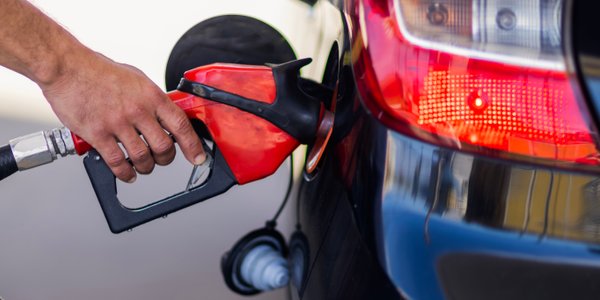
The government, led by Prime Minister Donald Tusk, faces mounting pressure from drivers concerned about prices at the pump, which are nearing 8 zlotys per liter. This surge coincides with rising global oil prices, driven by tensions in the Middle East. Opposition parties are poised to criticize the government for the high costs.
However, Duda's action provides Tusk's administration with a ready-made scapegoat. The government can now point to the presidential office and the tribunal as the reasons for not implementing the tax, thereby deflecting blame for the expensive fuel. This political maneuver allows the government to avoid the difficult decision of whether to revive costly subsidy programs.
One such program, the "Lower Fuel Price" initiative from 2020, successfully cushioned drivers from a previous oil price shock. However, it came with a hefty price tag of nearly 5 billion zlotys and had other drawbacks, such as benefiting all drivers regardless of need and not encouraging fuel conservation. The current government is hesitant to repeat such an expensive measure, especially given Poland's strained budget and high public debt.
DistantNews Editorial
Originally published by Rzeczpospolita in Polish. Translated, summarized, and contextualized by our editorial team with added local perspective. Read our editorial standards.
More Stories

From Our Blog

What Gets Lost (and Found) When News Is Translated

The Critical Role of Diaspora Media in Global News

What Travellers Should Know About Countries with Restricted Press

A Digital Nomad's Guide to Following Local News

How the Same Story Looks Different in Different Countries
