

Police Bust Syndicate Producing Fake Work Permits and UNHCR Cards
Translated from Malay, summarized and contextualized by DistantNews.
At a glance
News
Official statement
Under investigation
- Kedah police have uncovered a syndicate suspected of producing fake work permits and UNHCR cards.
- Twenty-four individuals, including Bangladeshi and Rohingya nationals, were arrested in raids conducted in Kulim last month.
- The syndicate allegedly charged between RM80 and RM250 for each fake document, using legitimate companies as a front for applications.
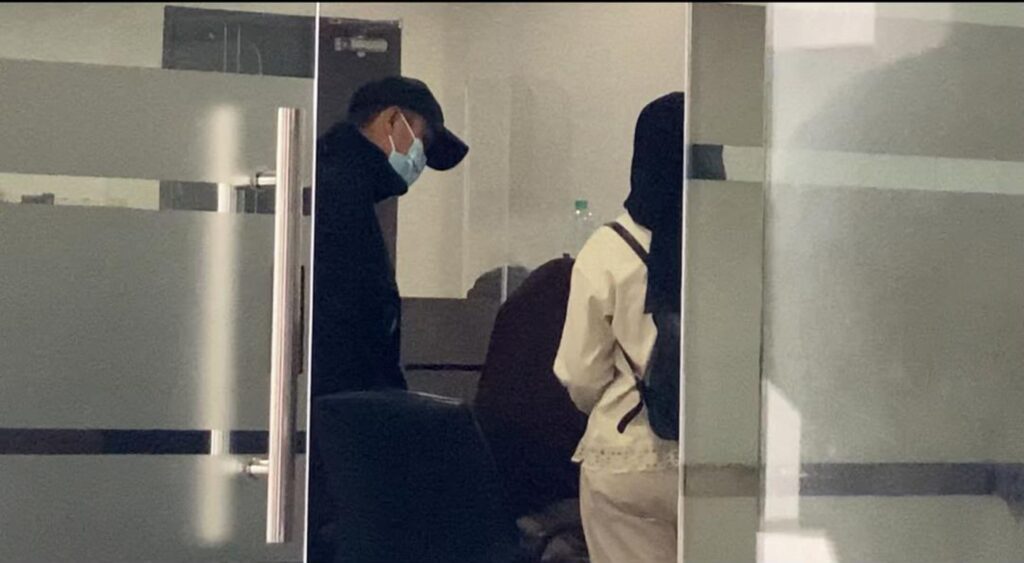
Kedah police have dismantled a syndicate believed to be issuing counterfeit work permits and UNHCR cards, arresting 24 individuals in a series of raids across Kulim last month. The operation, conducted by the Criminal Investigation Department on June 27, led to the detention of 19 Bangladeshi men, three Rohingya men, one Rohingya woman, and one local woman, aged between 20 and 52.
The raids were carried out at four locations: a grocery store, a computer shop, and houses used as temporary accommodations for foreigners.
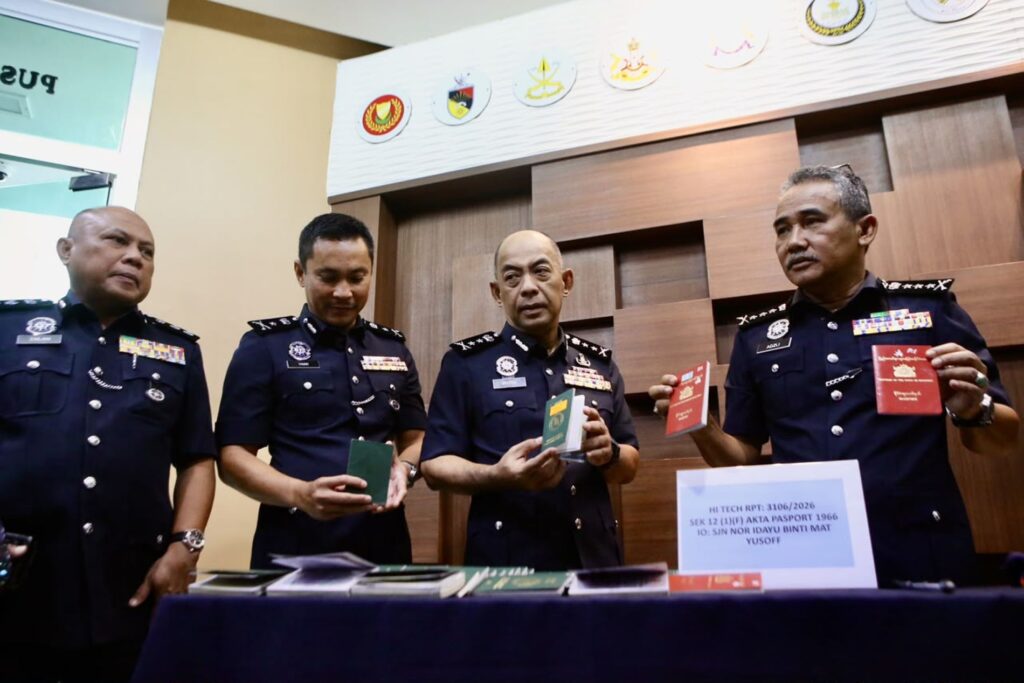
Authorities seized 40 passports, 10 mobile phones, four laptops, and one fake work permit during the raids, which targeted grocery stores, computer shops, and temporary accommodations used by foreign nationals. Investigations revealed that the syndicate was allegedly operated by a Bangladeshi national married to a 69-year-old local woman. He reportedly used several companies owned by his wife, including a G7-class construction firm and grocery stores, to legitimize foreign worker applications through official immigration channels.
Based on the investigation, this syndicate is believed to be operated by a Bangladeshi national who has complete travel documents and is married to a local woman aged 69.
However, the syndicate exploited this setup to issue fake work permits and UNHCR cards to foreign nationals willing to pay between RM80 and RM250 per document. Police are currently searching for another key suspect, a Bangladeshi national who allegedly managed computer shops in Kulim, Sungai Petani, and Butterworth, and who escaped during the raids.
In the seized laptops, we found various documents related to UNHCR applications, blank templates, and software believed to be used to modify and produce fake documents.
Analysis of the seized laptops uncovered various documents related to UNHCR applications, blank templates, and software suspected of being used to alter and create fake documents. Some individuals were found to be using different identities across passports and UNHCR cards, despite featuring the same photographs. The syndicate is believed to have been active for several years, reportedly facilitating the entry of foreign nationals via land routes before providing them with fraudulent documents to work in Malaysia.
Checks also found that individuals were using different identities on passports and UNHCR cards, even though they involved photos of the same person.
DistantNews Editorial
Originally published by Utusan Malaysia in Malay. Translated, summarized, and contextualized by our editorial team with added local perspective. Read our editorial standards.
More Stories

From Our Blog

What Gets Lost (and Found) When News Is Translated

The Critical Role of Diaspora Media in Global News

What Travellers Should Know About Countries with Restricted Press

A Digital Nomad's Guide to Following Local News

How the Same Story Looks Different in Different Countries
