

Police Conduct Random Checks on Protesters Heading to Indonesian Parliament
Translated from Indonesian and summarized by DistantNews. Read the original for the full story.
At a glance
News
Sources not specified
Ongoing story
- Indonesian police are performing random security checks on protesters en route to the Parliament complex in Jakarta.
- The checks aim to maintain security and prevent the entry of disruptive items during a planned demonstration.
- Access roads and public transport services near the parliament have been adjusted, with some protesters invited inside for discussions.
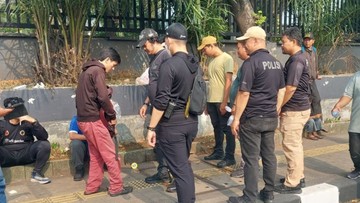
Jakarta police are implementing random security checks on demonstrators converging on the Parliament complex on Thursday, August 27. This measure is part of an effort to ensure safety and prevent the introduction of items that could disturb public order during the planned protest.
Security personnel are visibly inspecting individuals approaching the area. The random checks are intended to ensure that protesters are not carrying potentially dangerous objects, thereby facilitating a peaceful and orderly expression of grievances. In addition to these checks, police have restricted several access routes to the parliament building, redirecting traffic and adjusting public transportation services.
TransJakarta bus services are affected, with certain stops suspended, and access from the Senayan toll exit is also closed for vehicles heading toward the parliament. Despite these security measures and traffic diversions, crowds continue to gather outside the DPR building.
Representatives from the protesters, including Supriyono, coordinator of the Alliance of United Pati People (AMPB), have been invited into the parliament complex for discussions. Supriyono expressed hope that the parliament would heed the demands presented during the demonstration. The parliamentary session is scheduled to discuss the Asset Recovery Bill, among other legislative matters.
Hopefully, the aspirations of the Indonesian people will be realized.
About this summary
Originally published by CNN Indonesia in Indonesian. Translated, summarized, and contextualized automatically by DistantNews, with a note on how the source frames the story. Not individually reviewed before publishing. How this works.
More Stories


From Our Blog

What Gets Lost (and Found) When News Is Translated

The Critical Role of Diaspora Media in Global News

What Travellers Should Know About Countries with Restricted Press

A Digital Nomad's Guide to Following Local News

How the Same Story Looks Different in Different Countries
