



Police Erased Complaints and Changed Suspects’ Statuses to Bury Cases
Translated from Korean and summarized by DistantNews. Read the original for the full story.
At a glance
News
Documents & data
Under investigation
- A review of nine court rulings found police officers across criminal, investigative and traffic units used fabricated reasons to close or avoid registering cases.
- The cases included forged records, destroyed complaints and statements, altered suspect statuses, and a bribe to conceal a fraud suspect’s criminal activity.
- A police professor called for an independent review body to examine closed cases, especially those involving crimes with no clear complainant to challenge the decision.
Police officers used false entries in the criminal justice information system to make cases disappear, including claims that no suspect could be identified or that a complainant had withdrawn a case after an amicable settlement.
An analysis of nine court rulings found that the practice occurred across criminal, investigative and traffic policing. In one case, an officer at Incheon Jungbu Police Station falsely cited a complainant’s request to resolve a matter civilly, then used an approving official’s account to authorize the return himself. He received a four-month prison sentence suspended for one year.
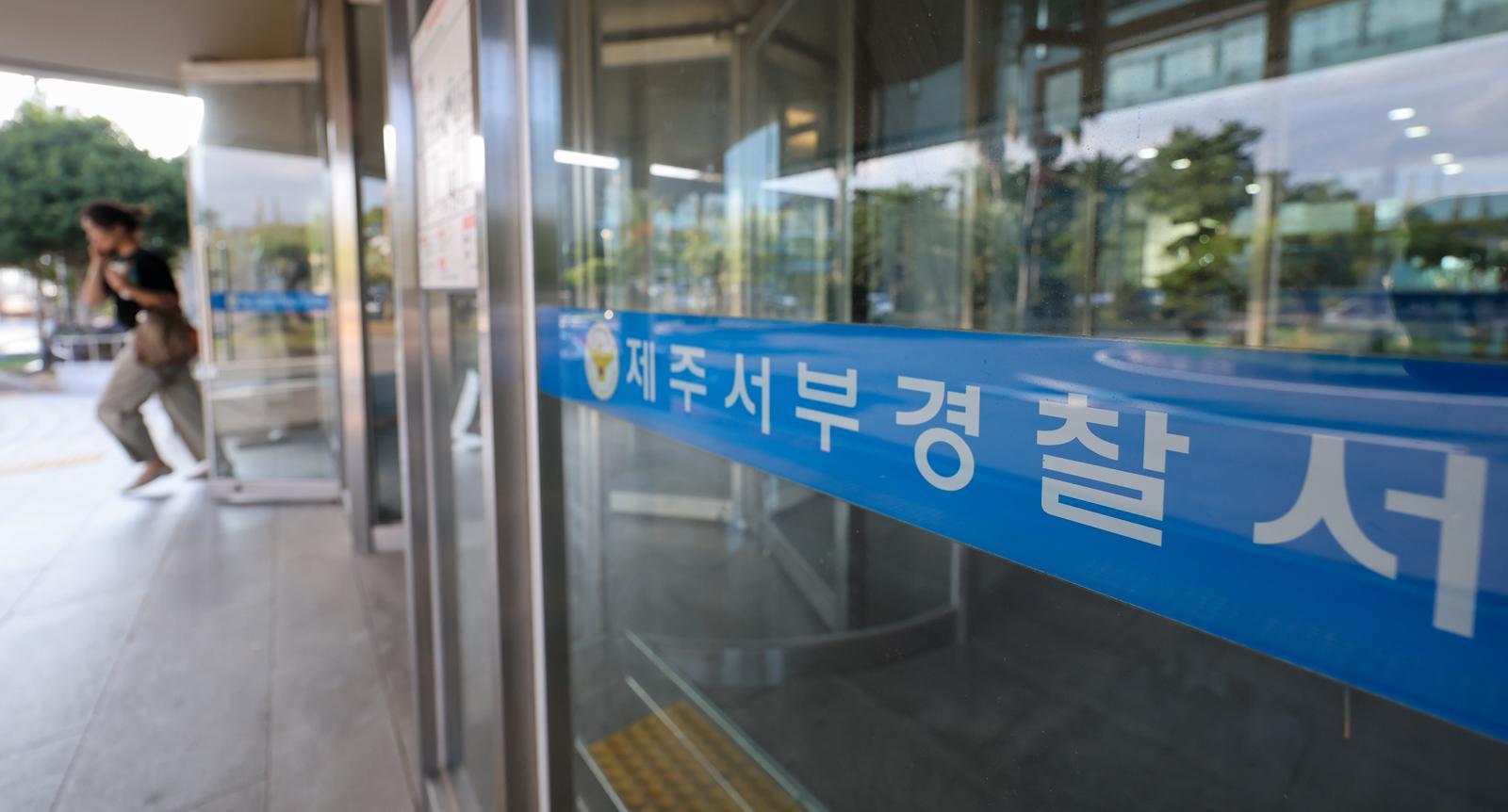
Another officer in Jeju recorded a traffic crash involving injuries as a case involving only property damage and closed the preliminary inquiry. He used the same method in 14 cases and received an 18-month sentence suspended for three years. In Ulsan, an officer who struggled to assign a fraud case took it himself months later, fabricated the investigation to make it appear there were no leads, and destroyed the complaint, witness statement and investigative report.
As police powers expand, safeguards for verifying case closures must also be strengthened.
A Jeju detective also changed the status of suspects in prostitution-related cases to military personnel before a rule took effect requiring explanations for delayed investigations. He then created a transfer document saying the cases had been sent to military units and closed them. In a more serious case, a Daegu cybercrime investigator concealed a broker’s role in supplying bank accounts for a fake luxury-goods fraud worth 2.6 billion won. He later accepted 10 million won to help withdraw the proceeds and received a prison sentence and fine.
The cases have intensified calls for tighter internal controls before an amended Criminal Procedure Act takes effect on Oct. 2. Dongguk University professor Lee Yun-ho said expanded police powers require stronger verification of case closures. He proposed a separate body to review closed cases involving bribery, drugs and corporate crime, and to order reinvestigations when it finds warning signs.
Cases involving bribery, drugs and corporate crime, where there is no party to raise an objection, should be reviewed by a separate body.
About this summary
Originally published by Hankyoreh in Korean. Translated, summarized, and contextualized automatically by DistantNews, with a note on how the source frames the story. Not individually reviewed before publishing. How this works.
More Stories
From Our Blog

What Gets Lost (and Found) When News Is Translated

The Critical Role of Diaspora Media in Global News

What Travellers Should Know About Countries with Restricted Press

A Digital Nomad's Guide to Following Local News

How the Same Story Looks Different in Different Countries
