


Polish Authority Probes Potential Employer Collusion in Lower Silesia
Translated from Polish, summarized and contextualized by DistantNews.
At a glance
News
Named sources
Under investigation
- Poland's competition authority is investigating potential collusion among employers in Lower Silesia.
- Searches were conducted at several companies, including those in the automotive and pharmaceutical sectors.
- The investigation focuses on alleged agreements to restrict employee mobility and potentially fix wages, which could harm local communities.
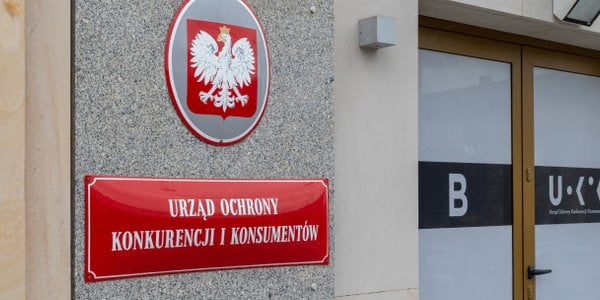
Poland's Office of Competition and Consumer Protection (UOKiK) has launched an investigation into suspected collusion among employers in the Lower Silesia region. As part of the probe, UOKiK officials, with court approval and police support, searched the premises of several companies in the Bolesławiec and Wrocław counties.
The companies involved include Toyota Boshoku Poland, Toyota Boshoku Europe, Bader Polska, Gerresheimer Bolesławiec, and Hoerbiger Automotive. UOKiK President Tomasz Chróstny stated that employers operating in the local market share the same pool of employees and compete for them. Agreements that prevent or hinder employees from changing employers are seen as a restriction of competition, particularly harmful to local communities by limiting job mobility regardless of qualifications.
The authority is examining whether these companies agreed on wage levels, employee benefits, or refrained from hiring employees from competing firms. The suspicions extend to companies across various sectors, including industrial production, automotive, pharmaceuticals, and logistics, which may compete for the same workforce despite different business profiles.
Currently, the investigation is being conducted as an inquiry, not against specific companies. If evidence confirms the suspicions, UOKiK may initiate antitrust proceedings and bring charges. Companies found guilty of participating in anti-competitive agreements could face fines up to 10% of their annual turnover, and responsible managers could be fined up to 2 million Polish złoty.
Entrepreneurs operating on the local market have access to the same pool of employees and compete for them. Therefore, joint agreements that prevent or hinder changing employers constitute a restriction of competition. This is particularly harmful to local communities, as it does not allow for a change of workplace, regardless of possessed or acquired qualifications.
DistantNews Editorial
Originally published by Rzeczpospolita in Polish. Translated, summarized, and contextualized by our editorial team with added local perspective. Read our editorial standards.
More Stories



From Our Blog

What Gets Lost (and Found) When News Is Translated

The Critical Role of Diaspora Media in Global News

What Travellers Should Know About Countries with Restricted Press

A Digital Nomad's Guide to Following Local News

How the Same Story Looks Different in Different Countries
