

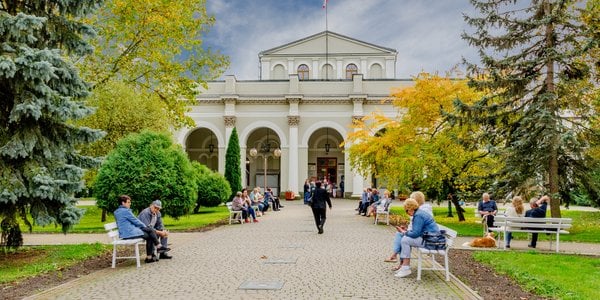

Polish cancer patients can access coordinators, but awareness is low
Translated from Polish, summarized and contextualized by DistantNews.
At a glance
News
Sources not specified
Context piece
- Polish cancer patients can utilize the help of oncology care coordinators, but many are unaware of this service.
- These coordinators act as a primary point of contact, guiding patients through complex treatment pathways.
- New legal regulations aim to improve the functioning of the oncology network and clarify the role of coordinators.
Oncology care coordinators in Poland are intended to serve as a crucial first point of contact for cancer patients, guiding them through the often overwhelming healthcare system. Despite nearly 1,500 such specialists operating within the National Oncology Network, many patients remain unaware of the support available to them, according to the Rynek Zdrowia portal.
These coordinators act as a bridge between patients and medical staff, navigating complex diagnostic and therapeutic paths. Their role includes helping patients schedule appointments and tests, ensuring treatment plans are followed without unnecessary delays, facilitating communication between doctors, and answering patient questions. They provide essential support to both patients and their families throughout the treatment journey.
Dr. Eliza Działach, president of the National Association of Oncology Care Coordinators, acknowledges that access to coordination services is not yet uniform across Poland, with fewer specialists available in smaller centers. To address systemic issues and clarify the coordinators' responsibilities, new legal amendments have been introduced. These changes precisely define the role and employment of coordinators, aiming to eliminate situations where the position exists only on paper and ensure real patient support.
The Ministry of Health reports that 1,500 coordinators are active within the National Oncology Network, with approximately 900 having completed specialized, certified training. These professionals are skilled in areas such as managing DiLO (and e-DiLO) cards, organizing services, and possess the psychological and communication skills necessary to work with patients experiencing stress. A key challenge remains ensuring coordination at the interface between Primary Health Care and the oncology network, particularly during the initial, often disorienting, phase when a potential cancer diagnosis is first suspected.
DistantNews Editorial
Originally published by Rzeczpospolita in Polish. Translated, summarized, and contextualized by our editorial team with added local perspective. Read our editorial standards.
More Stories


From Our Blog

What Gets Lost (and Found) When News Is Translated

The Critical Role of Diaspora Media in Global News

What Travellers Should Know About Countries with Restricted Press

A Digital Nomad's Guide to Following Local News

How the Same Story Looks Different in Different Countries
