


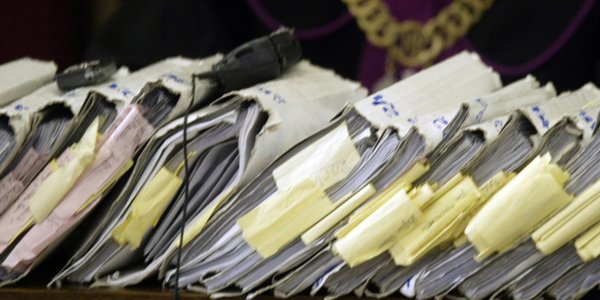
Polish courts lack 'judicial holidays' despite European practice
Translated from Polish, summarized and contextualized by DistantNews.
At a glance
Analysis
Sources not specified
Context piece
- Polish courts do not observe "judicial holidays" like some other European countries, despite ongoing staff shortages.
- The current system maintains the fiction of full operation, even as many judgments remain unprocessed due to staff absences.
- This practice contrasts with European standards and negatively impacts court secretariats and judges.
Despite the practice of "judicial holidays" in other European courts, Polish courts continue to operate under a system that maintains the appearance of full capacity, even during the summer months.
This approach contrasts with European standards, where "judicial holidays" and festive breaks are common. In Poland, the system often creates a facade of continuous operation. However, this is undermined by the reality of staff shortages, particularly in court secretariats and among judges, during the vacation season.
The consequence is that hundreds of issued judgments may remain unprocessed in active files simply because secretarial staff and a significant portion of judges are on leave. This situation negatively affects the functioning of court secretariats, which are expected to maintain full efficiency during the holiday season instead of operating on a reduced or duty basis.
Furthermore, the strain on remaining staff and the disruption to workflow also have a detrimental impact on the work of judges. The article suggests that while standards evolve, Polish courts have yet to adopt these beneficial practices, leading to inefficiencies and a disconnect from European norms.
DistantNews Editorial
Originally published by Rzeczpospolita in Polish. Translated, summarized, and contextualized by our editorial team with added local perspective. Read our editorial standards.
More Stories
From Our Blog

What Gets Lost (and Found) When News Is Translated

The Critical Role of Diaspora Media in Global News

What Travellers Should Know About Countries with Restricted Press

A Digital Nomad's Guide to Following Local News

How the Same Story Looks Different in Different Countries
