


Polish Judiciary Improves, But Supreme Court Remains a Concern
Translated from Polish, summarized and contextualized by DistantNews.
At a glance
Analysis
Named sources
Context piece
- The European Commission's latest report shows a marked improvement in the independence of Poland's judiciary.
- Public and judicial trust in the justice system has increased significantly, with fewer instances of judges facing repression.
- Despite improvements, challenges remain, particularly concerning the Supreme Court and the need for further digitalization.
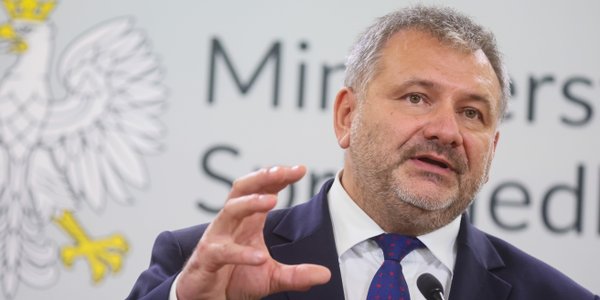
Poland's judiciary has seen a notable improvement in its independence, according to the European Commission's seventh annual report on the rule of law in the EU. The report indicates a clear positive shift in the assessment of judicial independence in Poland over the past year, a change attributed to a different approach by the current Minister of Justice compared to his predecessor, Zbigniew Ziobro.
People see that the current minister of justice is performing his duties in a completely different way than Zbigniew Ziobro. Today, judges are not repressed or harassed for their rulings.
Judges are reportedly no longer facing repression or harassment for their rulings, and there is a reduced fear of repercussions for referring cases to the European Court of Justice. This shift has positively impacted public perception, with a European Commission survey showing citizen and business trust in the justice system rising from 26% to 42%.
However, significant work remains to be done, particularly in courtrooms. Further digitalization and technological support for judicial decision-making are needed to enhance the perception of procedural fairness. A key change noted is the diminished belief that influence can be exerted on legal proceedings through connections with the Minister of Justice.
According to the EC survey, the trust of citizens and entrepreneurs in the justice system increased from 26 to 42 percent.
While the report suggests Poland is effectively restoring democratic rule of law standards, challenges persist, especially with the Constitutional Tribunal and the Supreme Court. The situation with the Supreme Court is described as a "huge problem" and a source of concern, as it is not recognized by other EU countries. Resolving this issue is urgent, but legislative deadlock makes a solution difficult, potentially requiring a "fait accompli" approach.
We have a huge problem with the Supreme Court. It is a situation that causes concern. We do not have a Supreme Court that is recognized in other EU countries.
Regarding the National Council of the Judiciary, the report is also optimistic, noting that while judges have been elected to the council, the finalization of appointments by President Karol Nawrocki is pending. Nevertheless, the council is now recognized as a constitutional body by all political actors, marking a significant success.
I think that here we already have a huge success. The president does not question that this council is correctly formed. All sides of the political scene recognize that this council is a constitutional body.
DistantNews Editorial
Originally published by Rzeczpospolita in Polish. Translated, summarized, and contextualized by our editorial team with added local perspective. Read our editorial standards.
More Stories
From Our Blog

What Gets Lost (and Found) When News Is Translated

The Critical Role of Diaspora Media in Global News

What Travellers Should Know About Countries with Restricted Press

A Digital Nomad's Guide to Following Local News

How the Same Story Looks Different in Different Countries
