

Political earthquake in Greece: Tsipras's influence splits New Left, new parties emerge
Translated from Greek, summarized and contextualized by DistantNews.
At a glance
News
Documents & data
Context piece
- Political realignments are occurring in Greece following strong poll performances by Alexis Tsipras and Maria Karystianou.
- Tsipras's influence has led to the splintering of the New Left party, with seven lawmakers becoming independent.
- New parties, ELAS and Elpida, are entering the political scene, impacting PASOK and causing concern for the ruling New Democracy party.
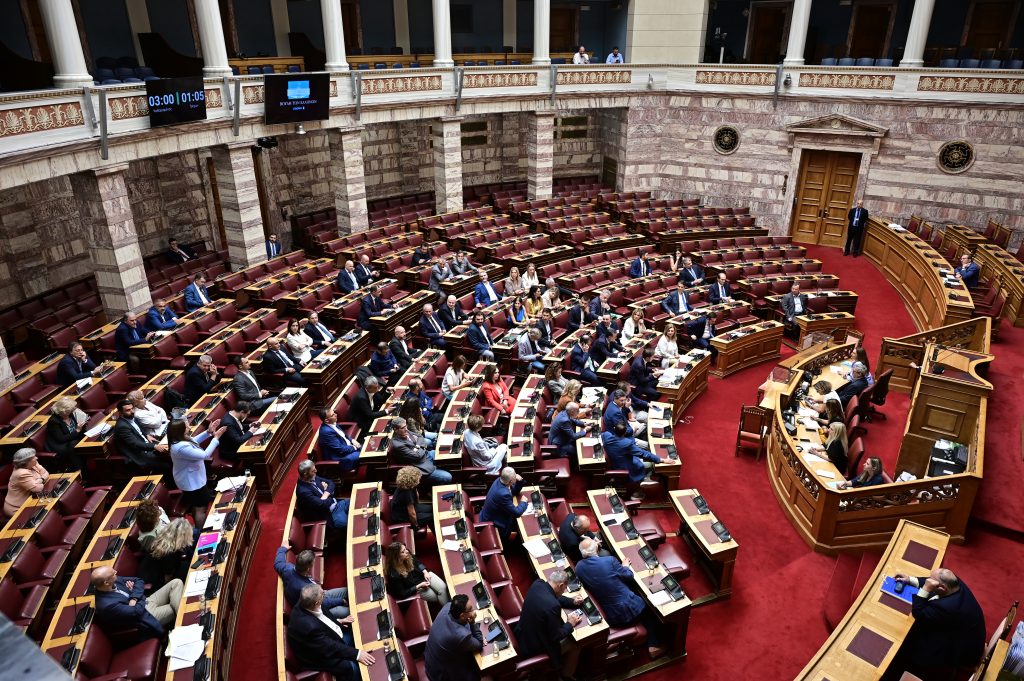
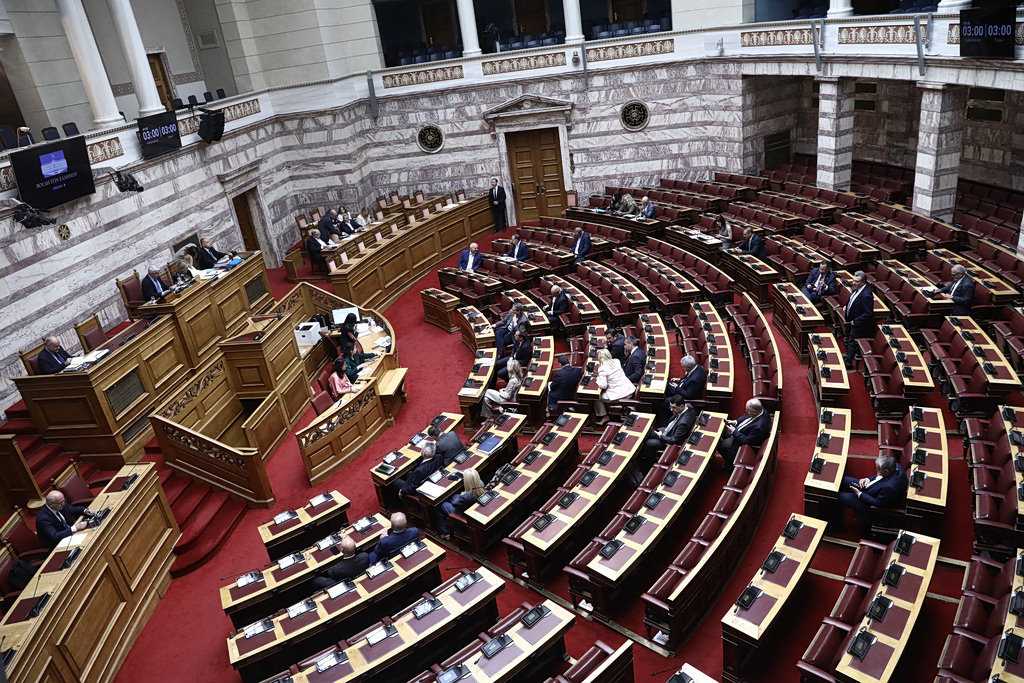
Greece's political landscape is undergoing significant shifts, driven by the strong poll showings of Alexis Tsipras and Maria Karystianou. The former prime minister's continued influence has fractured the New Left party, resulting in seven lawmakers declaring their independence and potentially dissolving the party's parliamentary group.
This political turbulence is also affecting the ruling party, New Democracy, and the center-left PASOK. The emergence of new political entities, identified as ELAS and Elpida, is reshaping the electoral map. Recent polls place PASOK in third or fourth position, fueling internal discontent and anxiety within the party's leadership in Charilaou Trikoupis.
All members of the Political Council must be bound by the decisions of the congress, which is an autonomous course. Everyone is judged by the way they position themselves, and I think Mr. Doukas is no exception to this rule.
Adding to the political maneuvering, there is speculation about former Prime Minister Antonis Samaras's intentions to form a new political entity. This potential move has prompted New Democracy to extend olive branches, indicating a strategic effort to manage internal dissent and consolidate support.
The political climate is further complicated by internal disagreements within PASOK regarding potential alliances. While some, like Haris Doukas, have suggested cooperation with Tsipras's party, others, including PASOK's Program Team Coordinator Lefteris Karchimakis, emphasize adherence to party congress decisions for an autonomous course. EL.A.S. has explicitly rejected any collaboration with PASOK, stating its intention to rely on its own strength.
Mr. Doukas should have directed this proposal to Mr. Androulakis and PASOK's staff.
DistantNews Editorial
Originally published by Ta Nea in Greek. Translated, summarized, and contextualized by our editorial team with added local perspective. Read our editorial standards.
More Stories
From Our Blog

What Gets Lost (and Found) When News Is Translated

The Critical Role of Diaspora Media in Global News

What Travellers Should Know About Countries with Restricted Press

A Digital Nomad's Guide to Following Local News

How the Same Story Looks Different in Different Countries
