

Politics on Assignment, Society on the Sidelines
Translated from Greek, summarized and contextualized by DistantNews.
TLDR
- The article argues that a rules-based economy and accessible state are necessary for sustainable development and social cohesion.
- It criticizes the current political system for operating on "autopilot" driven by powerful economic interests, leading to a disconnect with society.
- The author calls for meritocracy, honesty, and a return of politics to the people to address the crisis.
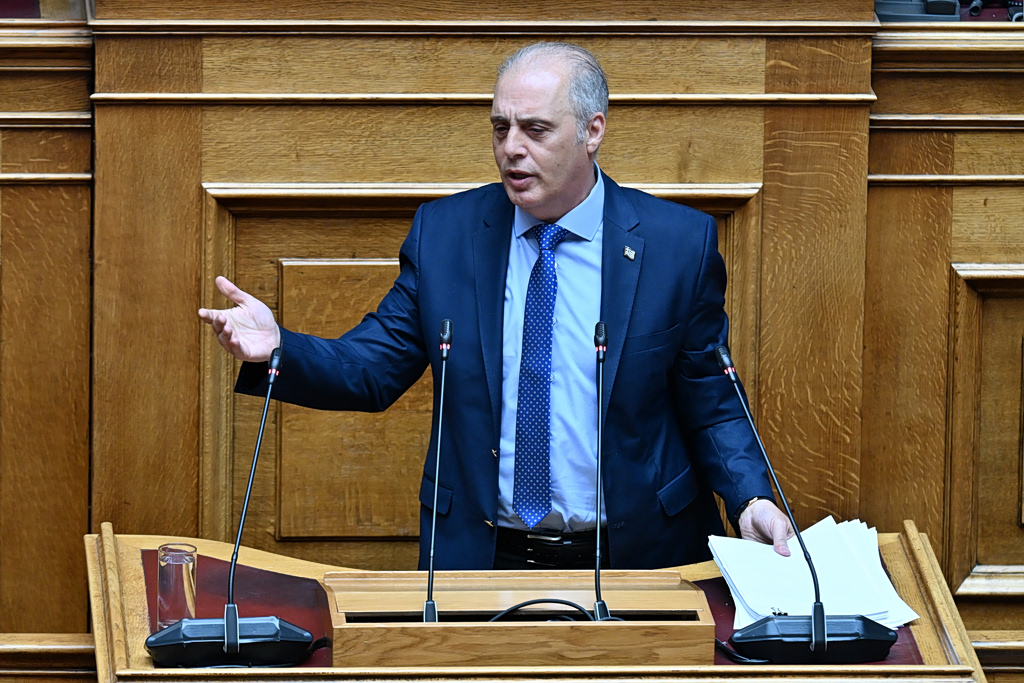
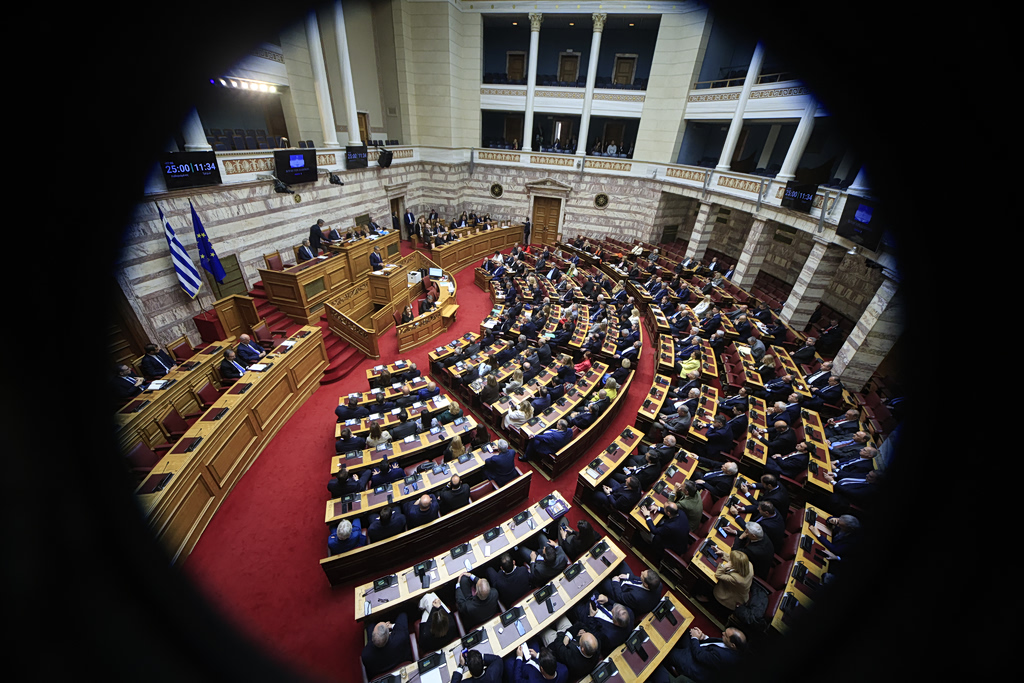
In Greece, a deep chasm has opened between society and the political system, a chasm that threatens the very fabric of our democracy. The current political landscape, as articulated in Ta Nea, appears to be functioning on autopilot, driven by the self-serving interests of powerful economic elites rather than the needs of the people. This detachment is not merely an abstract concern; it has tangible consequences, eroding public trust and fostering widespread disillusionment.
The article rightly points out that without a robust framework of rules and genuine democratic participation, there can be no escape from the ongoing crisis. The state, which should be a protector of its citizens against unemployment, poverty, and insecurity, has instead been weakened and marginalized. Public administration is devalued, local governments are starved of resources, and critical decisions are outsourced to opaque private consultants. This shift transforms politics from a tool for problem-solving into a self-serving profession, further alienating citizens.
Furthermore, the article highlights how the austerity measures imposed in the past, while perhaps reducing deficits, failed to fundamentally alter the country's productive model. Instead, they entrenched a power structure with limited democratic oversight. This has led to a shrinking industrial base, lost opportunities, and widening inequalities as wealth concentrates in the hands of a few, all while the population ages. The Greek people deserve better than a political system that seems to prioritize the interests of a select few over the collective well-being.
From our perspective in Greece, the international coverage often misses the profound sense of betrayal felt by ordinary citizens. While foreign media might focus on economic indicators or political stability, they rarely capture the lived experience of a populace whose voices seem to have been ignored for too long. The call for meritocracy, honesty, and a genuine return of politics to the people is not just an editorial stance; it is a desperate plea for a functional democracy that serves its citizens, not the other way around. This is the unique challenge and the urgent necessity that defines our current moment.
DistantNews Editorial
Originally published by Ta Nea in Greek. Translated, summarized, and contextualized by our editorial team with added local perspective. Read our editorial standards.
More Stories
From Our Blog

What Gets Lost (and Found) When News Is Translated

The Critical Role of Diaspora Media in Global News

What Travellers Should Know About Countries with Restricted Press

A Digital Nomad's Guide to Following Local News

How the Same Story Looks Different in Different Countries
