

Polystyrene found in walls of collapsed Venezuelan buildings after earthquake
Translated from Romanian, summarized and contextualized by DistantNews.
At a glance
News
Sources not specified
Outcome reported
- Rescuers in Venezuela discovered polystyrene in the walls of collapsed buildings after devastating earthquakes, raising concerns about construction quality in social housing programs.
- The earthquakes on June 24 caused massive destruction, killing at least 1,430 people and injuring over 3,000, with thousands losing their homes.
- Viral videos show rescuers easily breaking apart wall sections containing polystyrene, leading to public accusations of corruption and the use of substandard materials in housing built under former President Hugo Chávez.
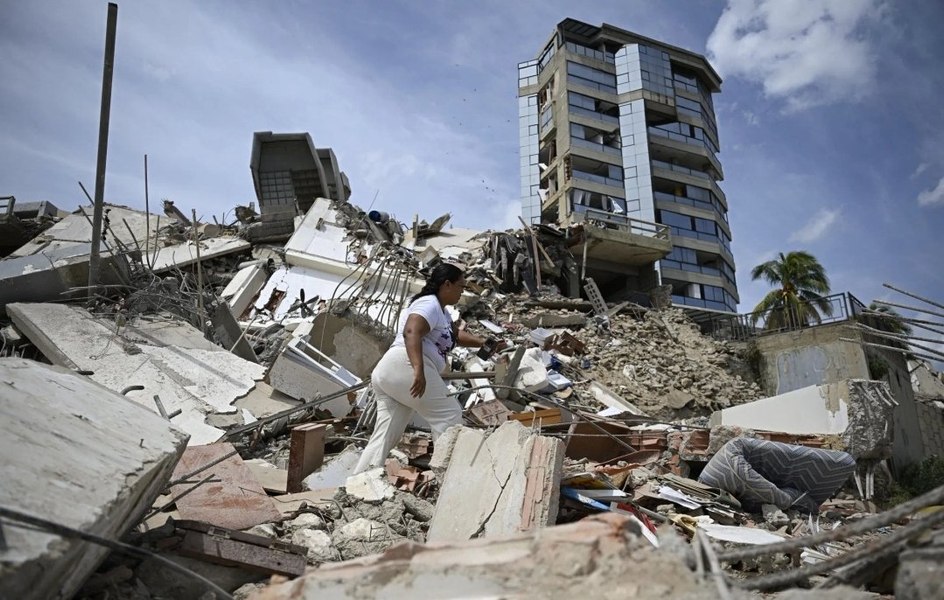
Rescuers searching through the rubble of Venezuela's devastating earthquakes made a shocking discovery: collapsed buildings appear to have been constructed with polystyrene in their wall structures. This finding has ignited serious questions about the quality of construction in the nation's social housing programs.
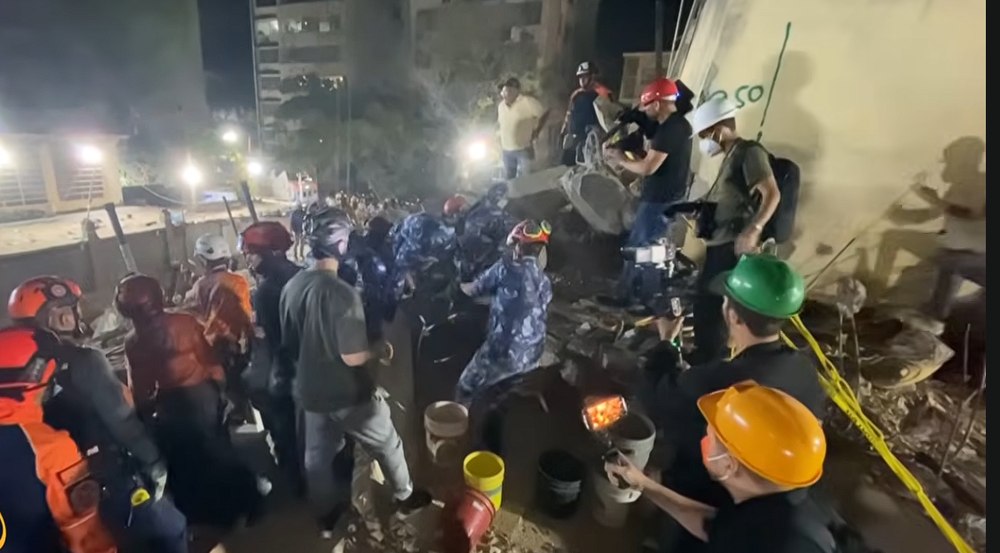
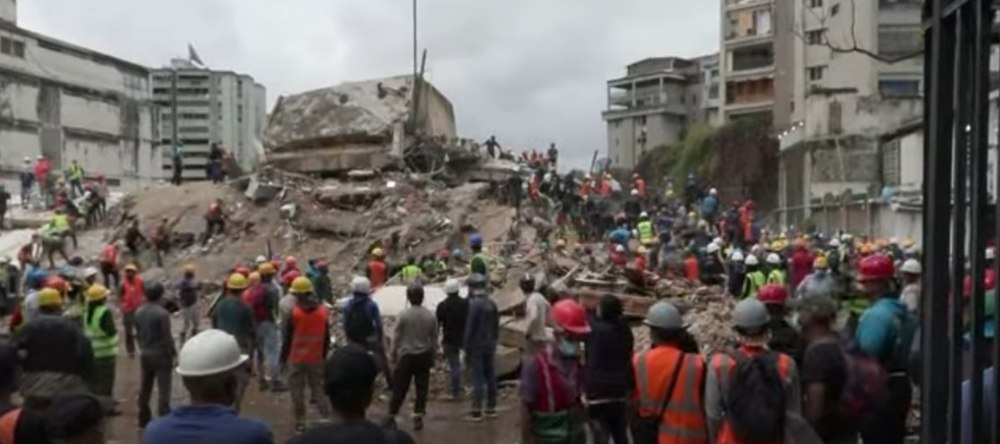
The earthquakes on June 24, with magnitudes of 7.2 and 7.5, unleashed widespread destruction. Authorities reported at least 1,430 fatalities and over 3,000 injuries. Rescue teams continue their operations in the heavily impacted coastal state of La Guaira, near Caracas. Jorge Rodríguez, a prominent political leader, described the event as Venezuela's "most disastrous" in 123 years, transforming entire neighborhoods into piles of debris.
Look at this. It's not even concrete. It's polystyrene. No wonder everything collapsed like cardboard.
Viral footage shared on TikTok by a rescuer, @maximilianohernan36, has fueled public outrage. The video shows the rescuer effortlessly breaking apart wall sections from a collapsed building, revealing a material resembling expanded polystyrene beneath a thin layer of concrete. "No wonder everything collapsed like cardboard," the rescuer commented, criticizing the construction methods.
Many of the destroyed buildings were part of the "Great Housing Mission" initiative, launched by former President Hugo Chávez after the 1999 natural disasters. The program aimed to rapidly build housing for affected families. However, seismic risk reduction specialist Alejandro Linayo told The Washington Post that construction standards for earthquake protection were only partially applied. Following Chávez's death in 2013, his successor, Nicolás Maduro, accelerated the project, but the pace of construction and quality control remain subjects of intense scrutiny.
the most disastrous event” through which Venezuela has passed in the last 123 years
DistantNews Editorial
Originally published by Adevărul in Romanian. Translated, summarized, and contextualized by our editorial team with added local perspective. Read our editorial standards.
More Stories

From Our Blog

What Gets Lost (and Found) When News Is Translated

The Critical Role of Diaspora Media in Global News

What Travellers Should Know About Countries with Restricted Press

A Digital Nomad's Guide to Following Local News

How the Same Story Looks Different in Different Countries
