

Poor Administration, Another Face of the Water Crisis
Translated from Spanish, summarized and contextualized by DistantNews.
At a glance
Analysis
Sources not specified
Context piece
- The article criticizes the poor administration of water resources in Mexico as a significant factor contributing to the ongoing water crisis.
- It highlights how mismanagement, corruption, and lack of long-term planning exacerbate scarcity and inequality in access to water.
- The piece suggests that addressing the crisis requires not only infrastructure but also fundamental changes in governance and resource allocation.
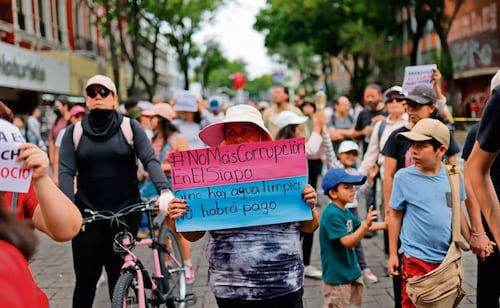
Mexico's escalating water crisis is not solely a matter of scarcity, but also a stark reflection of "poor administration," according to a critical analysis in El Universal. The newspaper argues that mismanagement, corruption, and a failure to implement effective long-term strategies are as responsible for the dire situation as natural factors.
The article points to a pattern of inadequate planning and resource allocation, where decisions often prioritize short-term political gains over sustainable water management. This approach has led to the over-exploitation of aquifers, inefficient distribution systems, and a widening gap in access to clean water between different regions and socioeconomic groups.
El Universal suggests that the current crisis is a symptom of deeper systemic issues within the country's water governance. The piece implies that without a fundamental overhaul of how water resources are managed, including greater transparency and accountability, any efforts to alleviate the scarcity will be insufficient. The focus, it contends, must shift from merely finding more water to ensuring that the water available is managed equitably and sustainably.
DistantNews Editorial
Originally published by El Universal in Spanish. Translated, summarized, and contextualized by our editorial team with added local perspective. Read our editorial standards.
More Stories

From Our Blog

What Press Freedom Means for the News You Read

What Gets Lost (and Found) When News Is Translated

The Critical Role of Diaspora Media in Global News

What Travellers Should Know About Countries with Restricted Press

A Digital Nomad's Guide to Following Local News
