

🇮🇪
Ireland
Pope Regrets Remarks Interpreted as Debate with Trump
Translated from English, summarized and contextualized by DistantNews.
TLDR
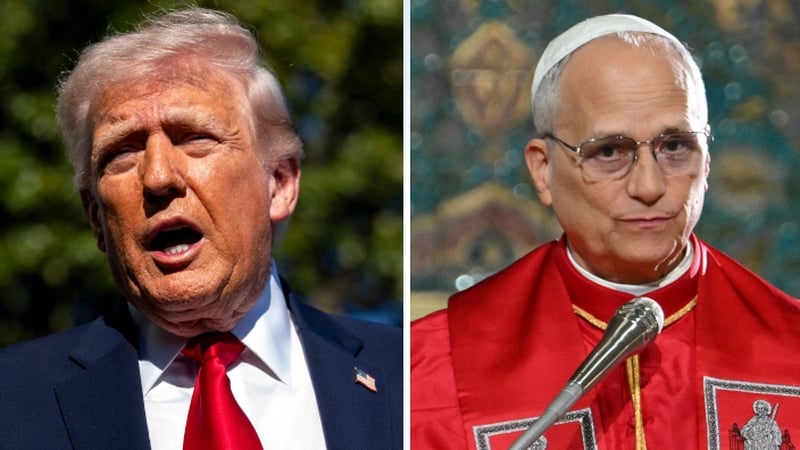
- Pope Leo XIV expressed regret that his remarks about "tyrants" were interpreted as a response to Donald Trump.
- The Pope stated the comments were pre-written and unrelated to any criticism from the former US president.
- He emphasized his lack of interest in engaging in a debate with Trump and noted that media interpretations have been inaccurate.
Pope Leo XIV has clarified remarks made during his recent tour of Africa, expressing regret that his words were misconstrued as a direct response to criticism from former US President Donald Trump. The Pontiff stated that his speech, which decried "tyrants" ransacking the world, was prepared long before he became aware of Mr. Trump's comments.
And yet it was perceived as if I were trying to start a new debate with the president, which doesn't interest me at all.
Speaking to journalists en route to Angola, the Pope emphasized that he has no desire to enter into a debate with the US leader. He observed that much of the subsequent media coverage has been "commentary on commentary," attempting to interpret his message in a way that does not accurately reflect his intentions. The remarks in question were delivered in Cameroon, a region grappling with a protracted separatist insurgency.
Much of what has been written since then has been more commentary on commentary trying to interpret what has been said.
Mr. Trump had previously stated he was "not a big fan of Pope Leo," accusing him of being "weak on crime" and "terrible for foreign policy," particularly regarding Iran's nuclear ambitions. The Pope's clarification seeks to distance his message of peace from the political arena and to correct what he described as an "inaccurate narrative" that has emerged.
The remarks had been written well before Mr Trump's "comment on myself and on the message of peace that I am promoting."
DistantNews Editorial
Originally published by RTÉ News in English. Translated, summarized, and contextualized by our editorial team with added local perspective. Read our editorial standards.
More Stories


From Our Blog

What Gets Lost (and Found) When News Is Translated

The Critical Role of Diaspora Media in Global News

What Travellers Should Know About Countries with Restricted Press

A Digital Nomad's Guide to Following Local News

How the Same Story Looks Different in Different Countries
