


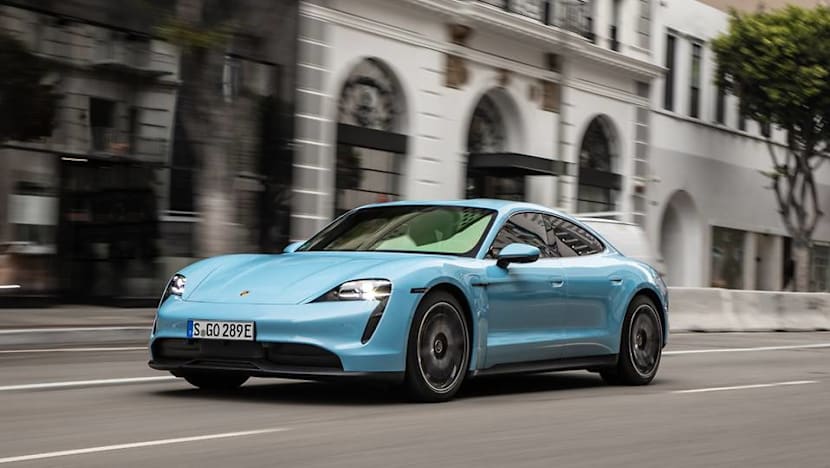
Porsche to end Taycan electric car production by 2030: Report
Translated from English, summarized and contextualized by DistantNews.
At a glance
News
Sources not specified
New plan
- Porsche plans to end production of its flagship Taycan electric car by 2030 due to declining sales.
- The German sports car maker has faced challenges including weak demand for EVs, falling sales in China, and US tariffs.
- The move comes as the entire German auto industry grapples with weak demand, trade policy, and competition from Chinese rivals.
Porsche is reportedly planning to cease production of its Taycan electric sedan by 2030, according to a report by WirtschaftsWoche. The decision stems from steadily dwindling sales of the flagship EV, which was launched in 2019 to signal the company's shift away from combustion engines.
Sales figures for the Taycan have seen a significant decline, dropping from nearly 41,000 units in 2023 to 16,000 last year, and a mere 6,000 in the first half of 2026. The manufacturer had already announced a rollback of its electric vehicle plans last year, citing weaker-than-expected demand.
This move by Porsche reflects broader challenges facing the German automotive industry. Major manufacturers like VW and BMW, along with their suppliers, are struggling with weak demand in Europe, volatile US trade policies, tepid interest in electric vehicles, and intense competition from Chinese manufacturers. Porsche itself experienced a more than 90 percent plunge in operating profit last year and has implemented job cuts.
The Taycan is one of two fully electric models currently offered by Porsche, alongside the Macan Electric SUV introduced in 2024. The report indicates that Porsche's works council has agreed in principle with management to phase out Taycan production by the end of the decade.
DistantNews Editorial
Originally published by CNA in English. Translated, summarized, and contextualized by our editorial team with added local perspective. Read our editorial standards.
More Stories



From Our Blog

What Gets Lost (and Found) When News Is Translated

The Critical Role of Diaspora Media in Global News

What Travellers Should Know About Countries with Restricted Press

A Digital Nomad's Guide to Following Local News

How the Same Story Looks Different in Different Countries
