


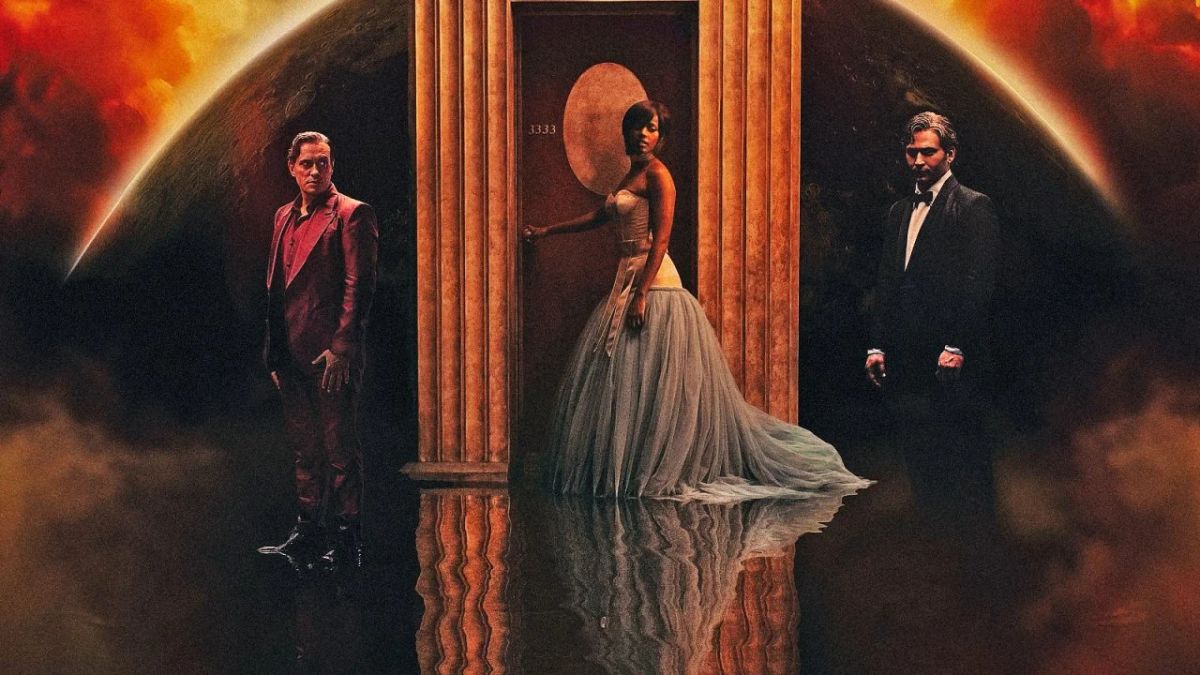
Postmodern game at the Opera
Translated from Hungarian, summarized and contextualized by DistantNews.
At a glance
News
Sources not specified
Context piece
- The film "The Opera!" uses humor and self-reflexive gestures to make the Orpheus myth accessible.
- Valentino Buzza's performance as Orpheus is mixed, but his operatic voice is strong.
- The film explores the universal experience of loss, framing it as a common human pain rather than a mythological tragedy.
The film "The Opera!" playfully reimagines the Orpheus myth, incorporating unexpected humor and self-aware touches that distance it from the elevated tone typically associated with opera adaptations. Gags like "Hades Hotel" and referring to Vivaldi as a "hit from '94" constantly disrupt expectations. These reflexive elements do not undermine the myth but instead make it more relatable, suggesting that classical culture can be both playful and ironic.
Valentino Buzza delivers a mixed performance as Orpheus. While his charisma sometimes falters, especially in a visually rich film, his operatic voice remains a consistent anchor for the narrative. Intriguingly, Buzza also showcases his acting range, portraying Orpheus as a rocker, a balding opera fan, and other everyday characters. These transformations highlight the film's central idea: the story of Orpheus and Eurydice is not a singular tragedy but a recurring human experience. The loss of love is presented as a universal feeling, not a mythological anomaly.
Perhaps the film's most compelling insight is its framing of Orpheus's story. Despite its potential for pathos, the narrative speaks to the profoundly common experience of losing a loved one. The grandeur of the music, costumes, and virtual world serve as a backdrop to this simple human pain. "The Opera!" thus reminds viewers that life can be both epic and ordinary, depending on perspective and presentation.
While not every moment succeeds, and viewers seeking traditional storytelling might find themselves lost in the visual and musical spectacle, this is precisely what makes the film distinctive. It transcends a simple retelling, examining how opera endures within the 21st century's visual culture. It functions as a tribute, a technological experiment, and a playful exploration of cultural history, a film that may not win everyone over but offers a unique journey for those captivated by its vision.
DistantNews Editorial
Originally published by Magyar Nemzet in Hungarian. Translated, summarized, and contextualized by our editorial team with added local perspective. Read our editorial standards.
More Stories


From Our Blog

Countries Without a Free Press: What You Need to Know

What Press Freedom Means for the News You Read

What Gets Lost (and Found) When News Is Translated

The Critical Role of Diaspora Media in Global News

What Travellers Should Know About Countries with Restricted Press
