

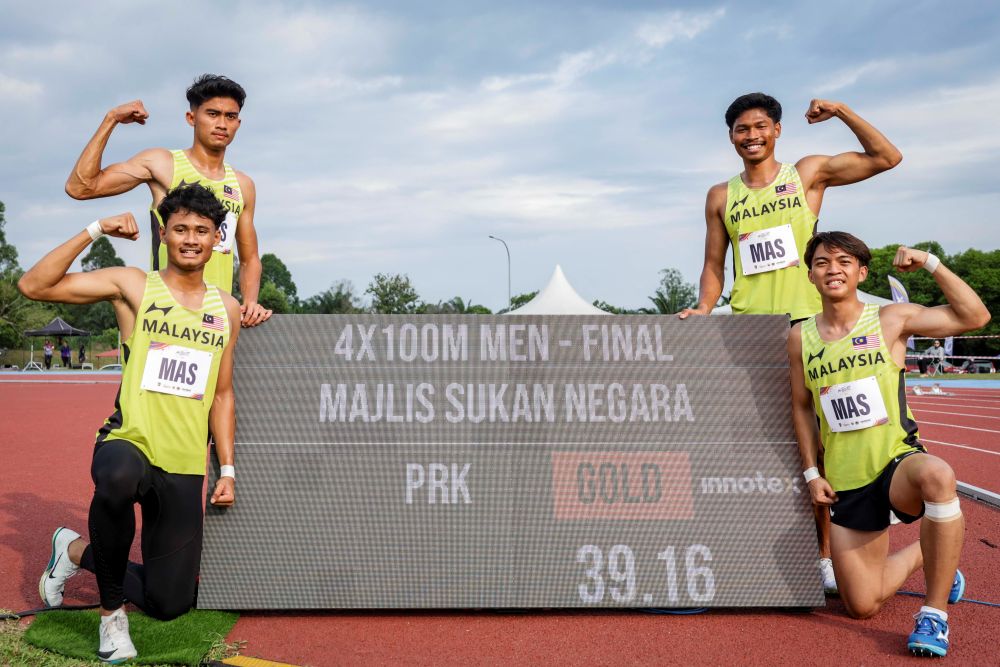

Power struggle looms over Malaysian cycling's future
Translated from Malay, summarized and contextualized by DistantNews.
At a glance
News
Sources not specified
Context piece
- National cycling Technical Director John Beasley questions who holds the real power in Malaysian cycling development.
- Beasley, who built a successful program over 20 years, highlights structural conflicts and differing priorities among state and national bodies.
- He asks who is responsible for resolving issues caused by state program coaches, indicating a potential crisis for the sport's future.
The future of Malaysian cycling is clouded by uncertainty, not just regarding Technical Director John Beasley's tenure, but more significantly, over who truly wields power in shaping the sport's direction. After more than two decades of building one of the nation's most successful cycling programs, Beasley has raised fundamental questions about authority and decision-making.
While internal politics and conflicts with state coaches have been discussed previously, Beasley is now openly questioning which entity possesses the authority to resolve critical development issues. The role of Technical Director was created to harmonize national cycling development from grassroots to elite levels, but its implementation has faced significant hurdles. Disparate priorities between state sports councils, state associations, state coaches, and the national program have led to stalled athlete development.
If the national governing body does not have the power to manage or control state sports council coaches, then who has that power?
This situation is evident when several states refuse to release young riders for crucial international competitions, prioritizing domestic events like the Malaysia Games (SUKMA) which align more closely with their own targets. Despite Malaysia's international successes attributed to Beasley's system, the architect of this system finds himself questioning his own authority to execute it.
"If the national governing body does not have the power to manage or control state sports council coaches, then who has that power?" Beasley asked. "If problems are created by coaches in state programs, who is responsible and has the power to solve those problems?" These questions, though seemingly straightforward, are pivotal. Their answers will determine whether Malaysian cycling can sustain its legacy or remains trapped in the structural conflicts Beasley has long sought to overcome. Before the National Cycling Federation of Malaysia seeks a replacement for Beasley, they must confront these fundamental questions, as the future of the sport hinges on clarifying who truly holds the reins of power.
If problems are created by coaches in state programs, who is responsible and has the power to solve those problems?
DistantNews Editorial
Originally published by Utusan Malaysia in Malay. Translated, summarized, and contextualized by our editorial team with added local perspective. Read our editorial standards.
More Stories
From Our Blog

What Gets Lost (and Found) When News Is Translated

The Critical Role of Diaspora Media in Global News

What Travellers Should Know About Countries with Restricted Press

A Digital Nomad's Guide to Following Local News

How the Same Story Looks Different in Different Countries
