


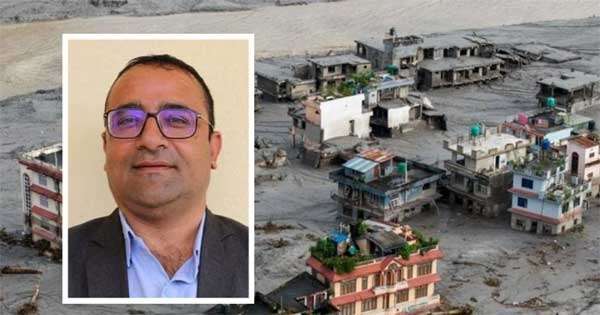
Principal’s Quick Decision Saves 900 Children From Nepal Flood
Translated from Sinhala and summarized by DistantNews. Read the original for the full story.
At a glance
In-depth
From a news agency
Ongoing story
- Principal Rajendra Dawadi moved 900 students and teachers to higher ground after learning that floodwaters were moving down the valley.
- The evacuation came minutes before floodwaters swept away a school dormitory located about 100 meters away.
- The wider disaster has killed 781 people, left about 2,500 missing and led Nepal’s army to rescue more than 3,700 people, according to the report.
A principal’s quick decision saved 900 students from Nepal’s devastating floods, according to reports from foreign media.
Rajendra Dawadi, principal of Tribhuvan Trishuli Secondary School in Nuwakot, learned through phone messages that a powerful surge was moving down the valley. He quickly evacuated the students and teachers without causing panic, taking them to higher ground.
The school has 1,600 students, 900 of whom were on campus when the flood struck on Aug. 26. Within minutes of the evacuation, floodwaters swept away a dormitory building about 100 meters from the school.
The flooding followed a glacial landslide that sent a huge volume of water through Nepal and Tibet. Homes, buildings and bridges along the river were destroyed. Save the Children said 69 schools were destroyed and the education of more than 19,000 students was disrupted.
By Aug. 30, the death toll in Nepal had risen to 781, while about 2,500 people remained missing. The missing and dead included foreign tourists. Nepal’s government said it had no information about 2,502 people, including 592 foreigners, while the army said it had rescued more than 3,700 people affected by the floods.
About this summary
Originally published by Lankadeepa in Sinhala. Translated, summarized, and contextualized automatically by DistantNews, with a note on how the source frames the story. Not individually reviewed before publishing. How this works.
More Stories

From Our Blog

What Gets Lost (and Found) When News Is Translated

The Critical Role of Diaspora Media in Global News

What Travellers Should Know About Countries with Restricted Press

A Digital Nomad's Guide to Following Local News

How the Same Story Looks Different in Different Countries
