



Principals Urge Caution on Education Minister Nominee
Translated from Hungarian, summarized and contextualized by DistantNews.
TLDR
- Seventeen high school principals have written to Péter Magyar, leader of the Tisza Party, urging him to prioritize expert opinions when selecting a candidate for Minister of Education.
- The principals emphasized the need for a candidate with strong experience in public education who can secure cross-ministerial and long-term support for educational reforms.
- Concerns have been raised by various figures, including students and educators, regarding the potential nomination of Rita Rubovszky, with some arguing that public input is crucial in shaping the new government.
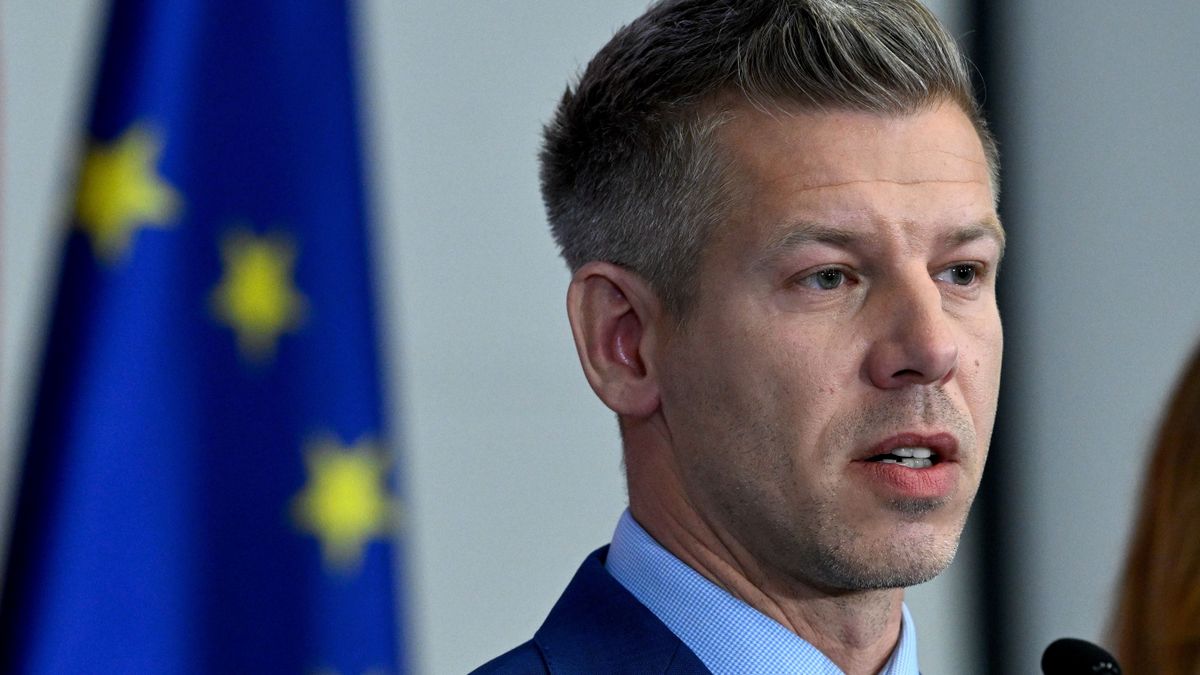
A significant wave of discontent is brewing among Hungary's educational leadership regarding the potential appointment of Rita Rubovszky as the next Minister of Education. Seventeen principals from prominent high schools across the country have penned an open letter to Péter Magyar, the leader of the Tisza Party, urging him to reconsider this nomination. Their plea is rooted in a deep concern for the future of public education, emphasizing that the selection process must be guided by professional expertise and the input of those directly involved in the education sector.
The principals expressed in their letter that they consider the condition for successful change to be a leader with experience in public education management who is capable of creating inter-ministerial, long-term, cross-term support for their program and its implementation.
The principals' letter, which includes signatories from esteemed institutions like the Fazekas Mihály High School and Eötvös József High School, stresses the critical need for a minister with proven experience in managing public education. They argue that such a leader must be capable of fostering broad, long-term support for educational initiatives across different government ministries. This perspective reflects a desire for stability and strategic vision in educational policy, moving beyond short-term political considerations.
The controversy surrounding Rubovszky's potential appointment has also drawn criticism from other prominent figures, including student activists like Lili Pankotai, who played a role in the Tisza Party's electoral success. Pankotai and others argue that the party owes its victory, in part, to the youth vote, and therefore, the voices of young people and educators should be given significant weight in governmental appointments. The lack of a clear denial from Magyar's party regarding Rubovszky's nomination has fueled speculation and further amplified these concerns.
Yes, people have a say in the formation of the future government and its programs, and not only can we argue or comment, but it is our civic duty to be present and participate in these critical parts of the system change.
From a Hungarian perspective, this situation highlights a crucial juncture in the country's political landscape. The Tisza Party, having achieved a significant electoral victory, faces the challenge of forming a government that inspires public confidence and effectively addresses key societal issues. The principals' intervention underscores a broader public sentiment that the reform of public education is a matter of national importance, requiring careful consideration and broad consensus. The debate over Rubovszky's suitability is not merely about one individual but reflects a deeper discussion about the values and priorities that should guide Hungary's educational future, particularly in the wake of significant political change.
I also would have been happy if Péter Magyar had not celebrated the two-thirds Fidesz victory with Fidesz four years ago.
DistantNews Editorial
Originally published by Magyar Nemzet in Hungarian. Translated, summarized, and contextualized by our editorial team with added local perspective. Read our editorial standards.
More Stories
From Our Blog

Countries Without a Free Press: What You Need to Know

What Press Freedom Means for the News You Read

What Gets Lost (and Found) When News Is Translated

The Critical Role of Diaspora Media in Global News

What Travellers Should Know About Countries with Restricted Press
