


Pro baseball games in Seoul, Gwangju canceled due to heatwave
Translated from Korean, summarized and contextualized by DistantNews.
At a glance
News
Named sources
Outcome reported
- Two KBO League baseball games scheduled for August 4th have been canceled due to extreme heat warnings in Seoul and Gwangju.
- The KBO has specific guidelines for game operations based on heat levels, including decisions on cancellations made by noon the day of the game.
- The league has also advised teams to implement measures for preventing heat-related illnesses among players and fans.
Professional baseball games in South Korea are being called off due to soaring temperatures, with two scheduled matches canceled on August 4th. The NC Dinos vs. Doosan Bears game at Jamsil Baseball Stadium in Seoul and the KT Wiz vs. KIA Tigers game at Gwangju Kia Champions Field were both postponed because of extreme heat.
The Korea Baseball Organization (KBO) canceled the games by 12:45 PM, adhering to its detailed operational guidelines for severe heat. These rules allow for cancellations to be made by noon on the day of the game if a "severe heatwave warning" is issued for the game's location. The canceled games will be rescheduled at a later date.
While Seoul and Gwangju are under severe heatwave warnings, other cities hosting games, including Incheon, Daegu, and Busan, are currently under regular heatwave advisories. The KBO's regulations permit game delays of up to one hour if a heatwave advisory is in effect, with the home team's input considered. The decision on whether to proceed with a game, delay it, or cancel it rests with the KBO's game operations committee, in consultation with team officials and umpires.
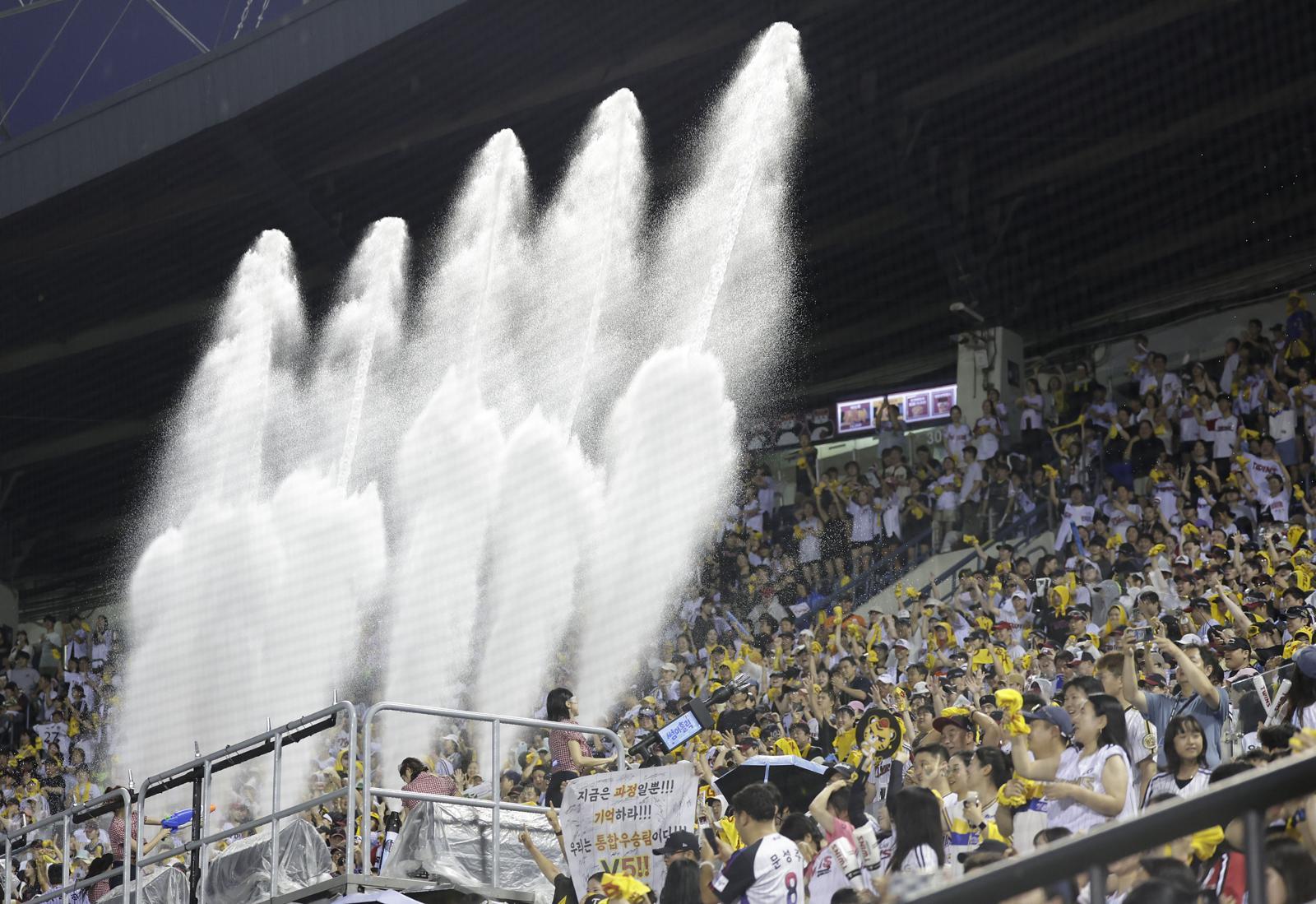
To mitigate the risks associated with the extreme heat, the KBO has also urged all teams to take thorough preventive measures. This includes ensuring adequate cooling facilities and beverages are available in player areas and providing regular public announcements to spectators on heatstroke prevention. Teams are also required to have medical support staff and supplies ready for emergencies.
DistantNews Editorial
Originally published by Hankyoreh in Korean. Translated, summarized, and contextualized by our editorial team with added local perspective. Read our editorial standards.
More Stories


From Our Blog

What Gets Lost (and Found) When News Is Translated

The Critical Role of Diaspora Media in Global News

What Travellers Should Know About Countries with Restricted Press

A Digital Nomad's Guide to Following Local News

How the Same Story Looks Different in Different Countries
