


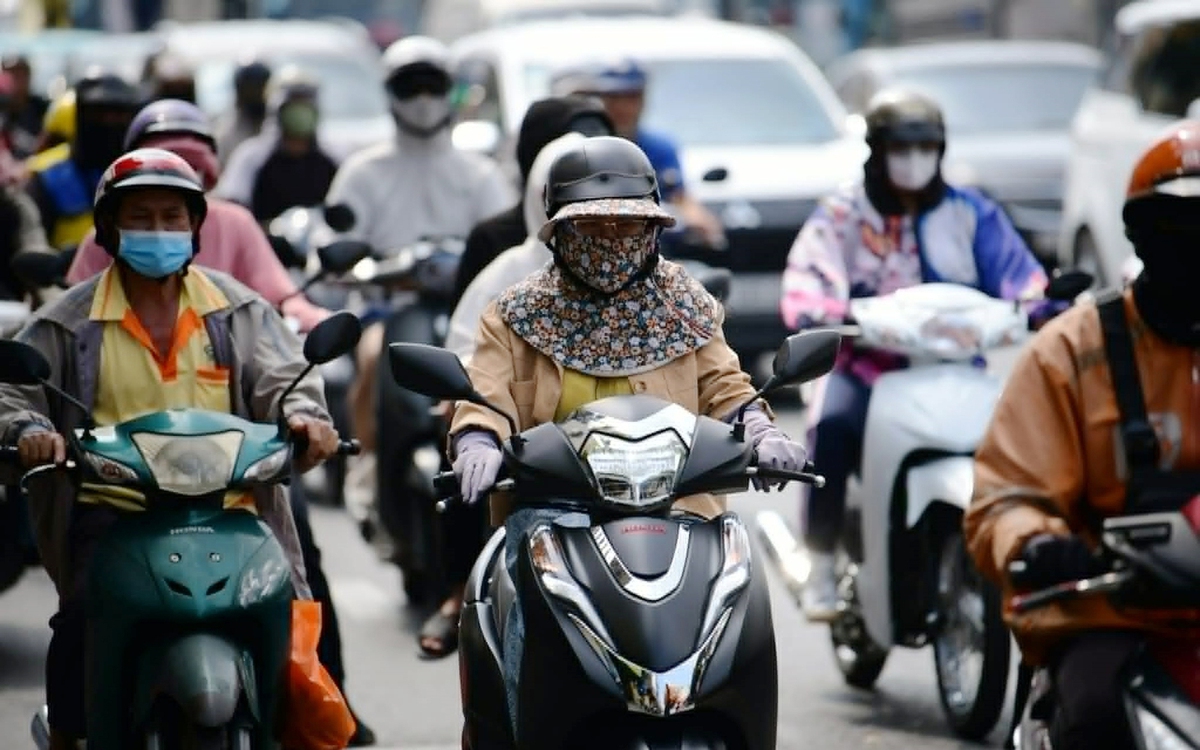
Protecting Children from Heatstroke Amidst Prolonged Heatwaves
Translated from Vietnamese, summarized and contextualized by DistantNews.
TLDR
- Prolonged heatwaves pose significant risks to children, including dehydration, heat exhaustion, and heatstroke, according to the WHO.
- Parents should recognize early signs of heat exhaustion, such as increased body temperature, dizziness, headache, and irritability, to prevent progression to heatstroke.
- Immediate cooling measures and hydration are crucial, and severe symptoms require prompt medical attention.
As Vietnam grapples with persistent heatwaves, health authorities are issuing urgent warnings about the dangers posed to children, who are particularly vulnerable to heat-related illnesses. The World Health Organization (WHO) identifies children as one of the most susceptible groups, facing elevated risks of dehydration, exhaustion, and heatstroke during prolonged periods of high temperatures. Heatstroke in children can occur when their bodies are not adequately hydrated or given sufficient rest in hot environments, making early recognition of symptoms and prompt intervention critical for their safety.
Children are among the most vulnerable groups to prolonged heatwaves, with risks of dehydration, exhaustion, and heatstroke.
Before escalating to heatstroke, children may experience milder conditions like heat cramps or heat exhaustion. These often arise after extended periods of physical activity or play under the sun, leading to fluid and electrolyte loss through sweat. Parents should be vigilant for signs such as a slightly elevated body temperature (below 40°C), cool but moist skin, dizziness, fatigue, headaches, intense thirst, irritability, muscle cramps, nausea, or vomiting. Children who are overweight, ill, sunburned, or taking certain medications may be at higher risk and require extra precautions.
It is important to treat early to avoid progression to heatstroke.
Immediate action is vital when heat exhaustion is suspected. Parents should move the child to a cool, shaded, or air-conditioned area, offer cool fluids (like electrolyte solutions) in small sips, and use cool, damp cloths to wipe the body, focusing on major blood vessels in the neck, armpits, and groin to aid cooling. If the child experiences cramps, gentle massage may help. However, if the child is unable to drink, appears lethargic, confused, or shows signs of distress, immediate transport to a medical facility is imperative. Heatstroke is a medical emergency, requiring rapid cooling with cool water (avoiding ice-cold water which can constrict blood vessels) and continuous monitoring. Swift medical attention is paramount to prevent severe complications, including brain damage and life-threatening outcomes.
Heatstroke is a medical emergency that requires immediate attention.
DistantNews Editorial
Originally published by Tuổi Trẻ in Vietnamese. Translated, summarized, and contextualized by our editorial team with added local perspective. Read our editorial standards.
More Stories

From Our Blog

What Gets Lost (and Found) When News Is Translated

The Critical Role of Diaspora Media in Global News

What Travellers Should Know About Countries with Restricted Press

A Digital Nomad's Guide to Following Local News

How the Same Story Looks Different in Different Countries
