

PSD Rules Out Alliance with Far-Right AUR, Deputy Says
Translated from Romanian, summarized and contextualized by DistantNews.
At a glance
News
Named sources
Context piece
- Romania's Social Democratic Party (PSD) categorically rejects any cooperation or alliance with the far-right AUR party, according to deputy Mihai Ghigiu.
- Ghigiu stated that while direct alliances are off the table, individual discussions with AUR parliamentarians are not entirely excluded.
- The PSD deputy also expressed concerns about the new salary law's budget impact and criticized the PNL party's unclear stance on government formation, hindering crisis resolution.
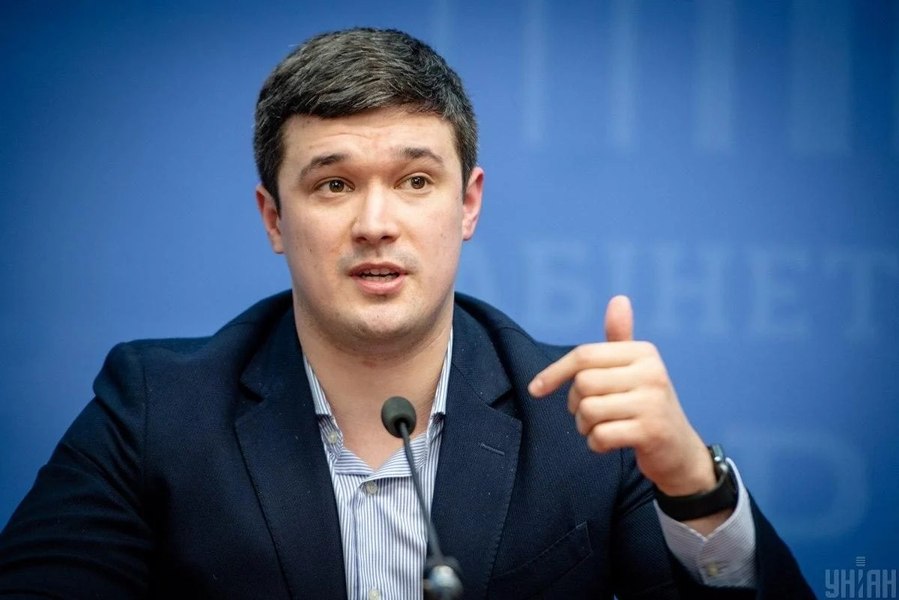
Romania's Social Democratic Party (PSD) has firmly shut the door on any alliance or agreement with the far-right AUR party, a stance reiterated by deputy Mihai Ghigiu. This comes after AUR leader George Simion publicly demanded the Senate presidency in exchange for potential support for a new government. Ghigiu, a member of PSD's National Political Council, emphasized in an interview with "Adevărul" that such a formal partnership is out of the question.
I think, first of all, we should see the parties giving up a bit on their, let's say, intransigent positions, of the type 'we don't want to ally with X or Y,' and show more maturity. I think this is the first step if we want to think about any solution to get out of the crisis.
However, Ghigiu did not completely rule out the possibility of engaging in individual discussions with parliamentarians elected under the AUR banner. He believes that resolving the ongoing political crisis hinges on parties abandoning their rigid positions and demonstrating greater maturity and flexibility. The deputy pointed to the National Liberal Party's (PNL) lack of a clear vision for governance as a significant obstacle, making it difficult to assess the chances of reforming the previous coalition.
As long as everyone sticks to their position, 'I won't ally with PSD' or 'I won't do it unless I'm first in the rotation,' I don't think that can lead us to a solution.
Ghigiu also dismissed the idea of rotating minority governments, warning that such a scenario would only lead to further political instability. Separately, he raised concerns about the proposed new salary law, which Romania is committed to through its National Recovery and Resilience Plan. Ghigiu cautioned that the draft law could impose an annual budget impact of approximately 8 billion lei, without adequately addressing the expectations of key professional groups.
So I think there is a need for flexibility from political parties and I think there is a need for a bit of analysis starting from Romania's economic situation and not necessarily from party interests.
DistantNews Editorial
Originally published by Adevărul in Romanian. Translated, summarized, and contextualized by our editorial team with added local perspective. Read our editorial standards.
More Stories

From Our Blog

What Gets Lost (and Found) When News Is Translated

The Critical Role of Diaspora Media in Global News

What Travellers Should Know About Countries with Restricted Press

A Digital Nomad's Guide to Following Local News

How the Same Story Looks Different in Different Countries
