


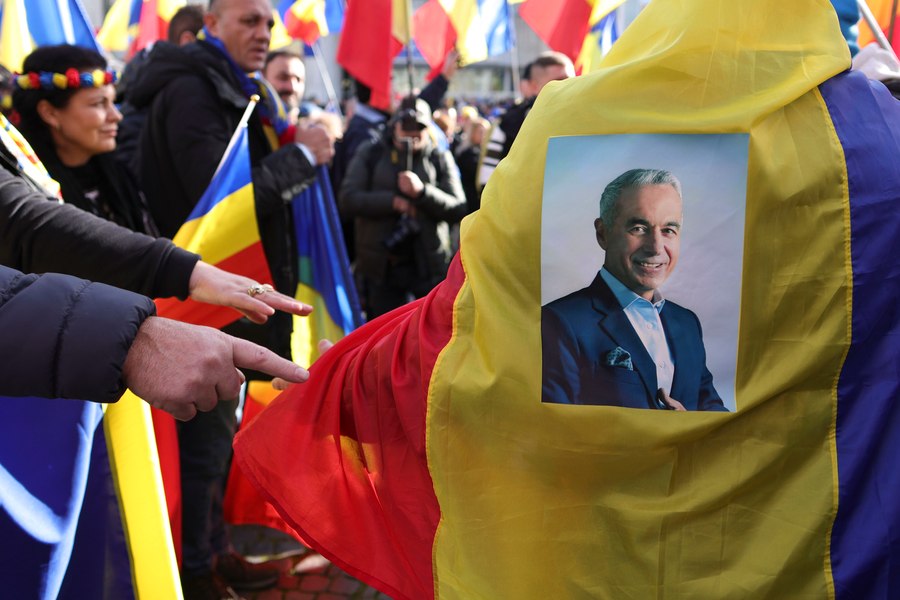
Why Romanians Are Addicted to Leaders Like Ilie Bolojan and Călin Georgescu
Translated from Romanian, summarized and contextualized by DistantNews.
At a glance
Interview
Sources not specified
Context piece
- Romania is experiencing unprecedented polarization, with charismatic leaders like Călin Georgescu and Ilie Bolojan attracting increasingly radicalized followings.
- Political scientist Dan Mercea explains how algorithms and anti-establishment movements are reshaping democracy, contributing to societal radicalization.
- While Romanians generally support the EU, a significant portion has been swayed by leaders who employ polarizing rhetoric and lack concrete solutions to real-world problems.
Romania is grappling with a profound political polarization, marked by the rise of charismatic figures like Călin Georgescu and Ilie Bolojan, who command vast and increasingly radicalized followings. This phenomenon is reshaping the democratic landscape, with political scientist Dan Mercea attributing part of this trend to the influence of algorithms and anti-establishment movements.
Mercea, a professor at City, University of London and Babeș-Bolyai University, notes that these leaders often build their discourse on antithesis and criticism of political opponents, frequently neglecting practical solutions. He draws a parallel with Donald Trump in the United States, highlighting leaders who seem to have issues with everyone, including traditional allies.
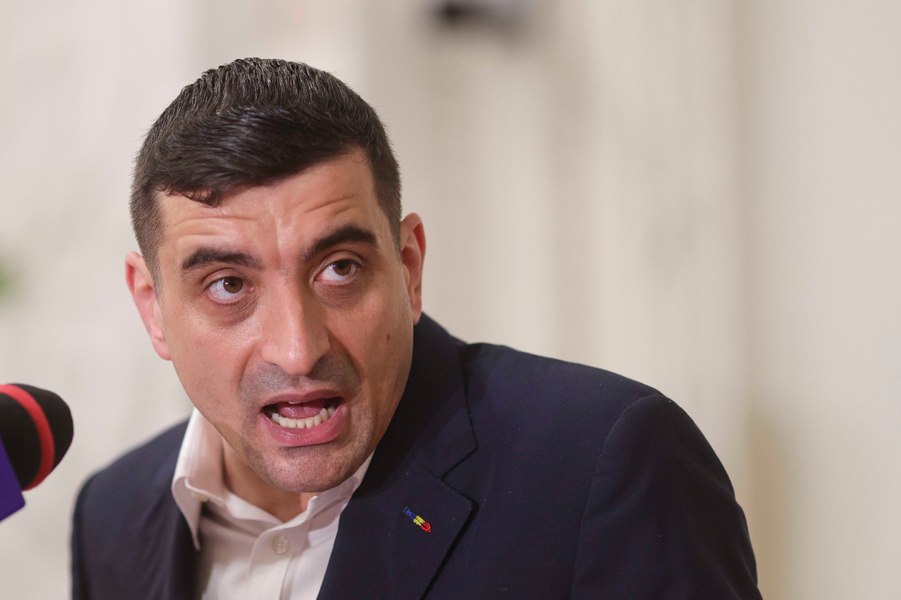
In Romania, Georgescu emerged prominently in 2024 and continues to resonate with millions, even if they don't fully align with his ideas. Despite Romania's pro-European stance, nearly half of voters were reportedly drawn to Georgescu's platform. On the opposing side, Ilie Bolojan, a leader within the USR-PNL alliance, also demonstrates significant charisma, easily convincing supporters even when his decisions negatively impact the middle class, education, or lead to economic recession.
Mercea's research focuses on digital and social change dynamics, both online and offline. He has studied the evolution of protest movements in Romania over the past four decades, examining how they have become increasingly radicalized. His work also explores the paradox of dynamic social movements defying the trend of declining traditional civic engagement.
The speeches are increasingly built on the idea of antithesis and criticism of political opponents, while solutions to real problems are usually lacking.
DistantNews Editorial
Originally published by Adevărul in Romanian. Translated, summarized, and contextualized by our editorial team with added local perspective. Read our editorial standards.
More Stories


From Our Blog

What Gets Lost (and Found) When News Is Translated

The Critical Role of Diaspora Media in Global News

What Travellers Should Know About Countries with Restricted Press

A Digital Nomad's Guide to Following Local News

How the Same Story Looks Different in Different Countries
