

Putin's circle in crisis: Russian generals see FSB as more dangerous than Ukraine's army
Translated from Romanian, summarized and contextualized by DistantNews.
At a glance
News
Named sources
Context piece
- Russian military leaders are being assassinated in a pattern that suggests internal security service rivalries, according to European intelligence sources.
- Two high-ranking Russian generals were killed in separate car bombings in Moscow suburbs within a little over a year, with one incident linked to Ukraine's SBU.
- The ongoing killings highlight major friction between Russia's regular army and the FSB, with the army reportedly seeking security guarantees that the FSB refuses to provide.
A series of assassinations targeting high-ranking Russian military officials suggests deep-seated tensions within Vladimir Putin's security apparatus, according to European intelligence sources. The pattern of killings, including two recent car bombings of generals in Moscow suburbs, points to a dangerous rivalry between the regular army and the powerful FSB internal security service.
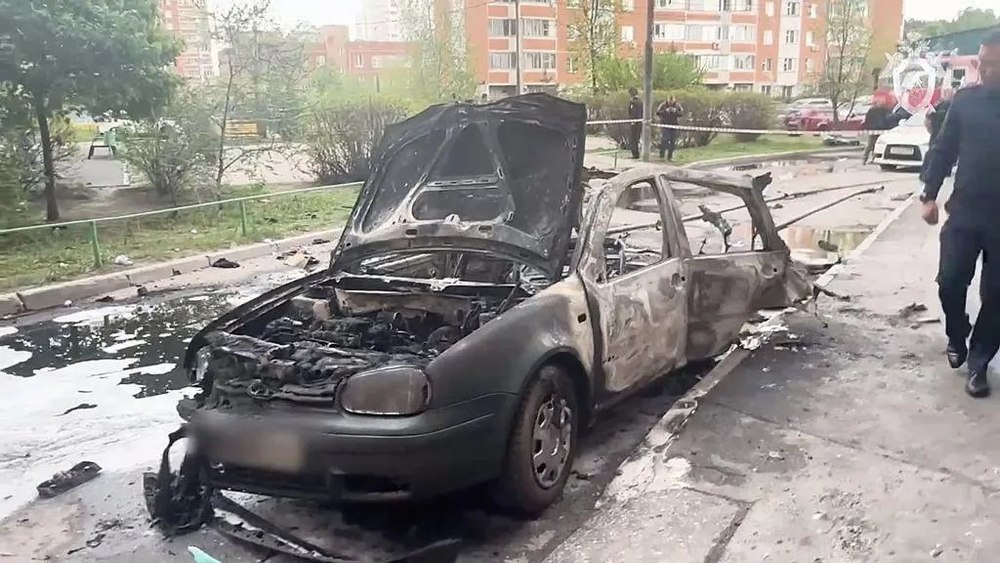
In the latest incident, Lieutenant General Damir Davydov, responsible for missile and artillery supplies to the Ukraine front, was killed when a bomb detonated under his car on June 9. This attack occurred just 350 meters from the site where Lieutenant General Iaroslav Moskalik, deputy chief of the Russian General Staff's Main Operations Directorate, was killed in a similar car bombing in April 2025. These incidents follow the assassination of Lieutenant General Igor Kirillov, head of Russia's nuclear, biological, and chemical defense troops, who died when a bomb on an electric scooter exploded.
There are major internal frictions between Russian security institutions.
European intelligence sources indicate that the Russian army is demanding the FSB guarantee the physical safety of its generals. However, the FSB has reportedly refused to take responsibility for military personnel. This dispute reflects a historical power imbalance, where Soviet-era intelligence services historically held a privileged position over the armed forces. The ongoing violence against military leaders, whether orchestrated by external actors like Ukraine's SBU or stemming from internal conflicts, underscores the instability and distrust within Russia's security establishment.
The Russian army demands that the FSB guarantee the physical protection of generals, but the FSB categorically refuses to take responsibility for military personnel.
DistantNews Editorial
Originally published by Adevărul in Romanian. Translated, summarized, and contextualized by our editorial team with added local perspective. Read our editorial standards.
More Stories

From Our Blog

What Gets Lost (and Found) When News Is Translated

The Critical Role of Diaspora Media in Global News

What Travellers Should Know About Countries with Restricted Press

A Digital Nomad's Guide to Following Local News

How the Same Story Looks Different in Different Countries
