

Quang Ngai Tightens Pet Management Amidst Rabies Scare After Dog Bites
Translated from Vietnamese, summarized and contextualized by DistantNews.
TLDR
- Quang Ngai province authorities are tightening control over pets following a report of a dog suspected of having rabies biting four people and other domestic animals.
- Local authorities are surveying and culling potentially infected animals while disinfecting affected areas to prevent an outbreak.
- The focus is on vaccinating the dog and cat population and educating residents on responsible pet ownership to mitigate the risk of rabies transmission.
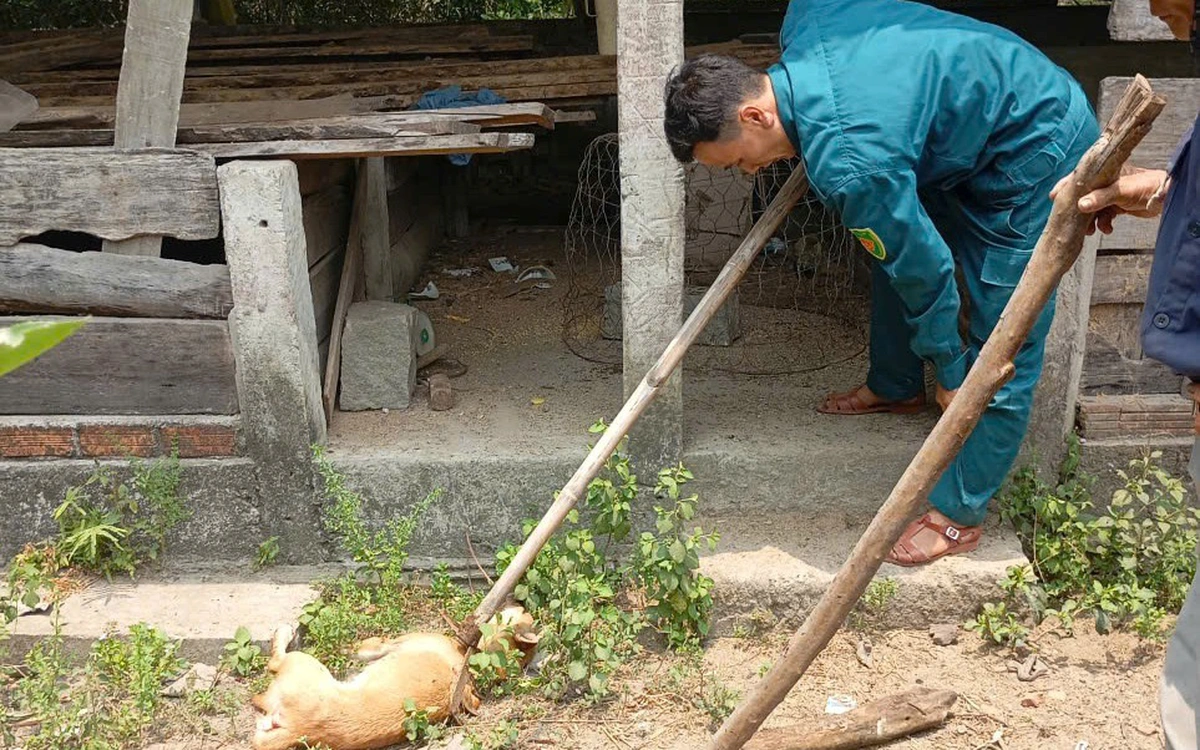
The recent incident in Son Tinh district, Quang Ngai province, where a dog suspected of rabies bit four people and several domestic animals, has prompted swift action from local authorities. The Department of Animal Husbandry and Veterinary Medicine has deployed experts to the scene to assess the situation and implement control measures. This proactive approach, including sample collection for rabies testing and disinfection of affected areas, aims to contain the potential spread of the disease and prevent the formation of a new outbreak hotspot.
Authorities are not only focusing on immediate containment but also on long-term prevention. A comprehensive survey of the local dog and cat population is underway, with plans for a widespread vaccination campaign. This initiative underscores the importance of responsible pet ownership, a practice that remains a challenge in rural areas where stray animals are common. The local government is intensifying public awareness campaigns, urging residents to keep their pets leashed and ensure they are vaccinated, especially during the hot season when rabies is more likely to spread.
The focus now is on organizing rabies vaccinations for the dog and cat population, while also strengthening propaganda to raise public awareness about pet management.
The situation highlights the ongoing efforts in Vietnam to manage public health risks associated with animal-borne diseases. While international coverage might focus on the number of cases or the medical response, the local perspective emphasizes the community's role in prevention. The emphasis on educating pet owners and enforcing regulations on animal control reflects a deep understanding of how local practices can either exacerbate or mitigate public health threats. This incident serves as a critical reminder of the need for continued vigilance and community participation in safeguarding public health.
The practice of letting dogs roam free is still common in rural areas. Facing the risk of disease, the locality will tighten management, organize propaganda, and urge people to commit to keeping their pets confined and fully vaccinated.
DistantNews Editorial
Originally published by Tuổi Trẻ in Vietnamese. Translated, summarized, and contextualized by our editorial team with added local perspective. Read our editorial standards.
More Stories



From Our Blog

What Gets Lost (and Found) When News Is Translated

The Critical Role of Diaspora Media in Global News

What Travellers Should Know About Countries with Restricted Press

A Digital Nomad's Guide to Following Local News

How the Same Story Looks Different in Different Countries
