

Quang Ninh leaders ponder post-city status development
Translated from Vietnamese, summarized and contextualized by DistantNews.
At a glance
News
Sources not specified
New plan
- Vietnam's Quang Ninh province is transitioning to city status, with officials focusing on post-elevation development.
- The province has achieved significant economic milestones, including a high average income and strong growth, meeting all criteria for city status.
- Leaders are contemplating how to best leverage city status for comprehensive development in culture, industry, and security, aiming for ambitious GRDP per capita targets.
Quang Ninh province is poised for a significant transformation as it prepares to officially become a city. While the elevation is a long-held aspiration, provincial leaders are intensely focused on the future, emphasizing development strategies beyond the mere change in administrative status. "What will we do after becoming a city to develop in line with the name?" is the central question driving discussions.
The province becoming a city is a common aspiration. But we are thinking about the most important issue: after becoming a city, what will we do to develop in line with the name in life, culture, material, spiritual, industrial, national defense, and security?
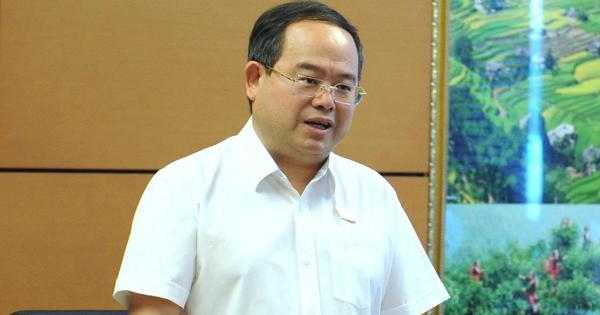
Provincial Party Secretary Quản Minh Cường highlighted the province's economic achievements, noting that the average income reached $10,402 in 2025, more than double the national average. Quang Ninh boasts natural advantages, including a seaport, strong export-import activity, mineral resources, and tourism potential. The province's political system has also been actively working towards these goals, yielding positive results in socio-economic development.
To further bolster its growth, Quang Ninh has proposed a new 55-kilometer, 10-lane highway connecting to the Ring Road 5, to be funded by the province itself. This infrastructure project aims to enhance economic, social, and tourism development. Cường confirmed that Quang Ninh meets all seven criteria for city establishment without any outstanding requirements. The province's growth rate has been among the highest nationally, exceeding 11% in the first half of 2026, with a target of 100 trillion Vietnamese dong in state budget revenue for the year.
To date, Quang Ninh meets all 7 criteria stipulated for city establishment, not owing any single criterion.
The leadership's concern is not just about achieving city status but about ensuring it translates into tangible progress across all facets of life – cultural, material, spiritual, industrial, and in national defense and security. The ambitious goal is to achieve a per capita GRDP of $20,000 by 2030, significantly higher than the national target of $8,000. This objective presents a considerable challenge, requiring continuous effort from the entire political system. Plans also include a high-speed rail project connecting Hanoi and Quang Ninh, designed for speeds up to 350 km/h.
People ask the provincial leaders and National Assembly deputies: what will we gain from becoming a city, and how will a city differ from a province? This is a question that we ponder, are deeply concerned about, and think about a lot.
DistantNews Editorial
Originally published by Thanh Niên in Vietnamese. Translated, summarized, and contextualized by our editorial team with added local perspective. Read our editorial standards.
More Stories

From Our Blog

What Gets Lost (and Found) When News Is Translated

The Critical Role of Diaspora Media in Global News

What Travellers Should Know About Countries with Restricted Press

A Digital Nomad's Guide to Following Local News

How the Same Story Looks Different in Different Countries
