

Vietnam's Diplomacy Must Focus on Three Key Demands for New Era
Translated from Vietnamese, summarized and contextualized by DistantNews.
At a glance
News
Official statement
New plan
- Prime Minister Le Minh Hung addressed the 33rd Diplomatic Conference, emphasizing diplomacy's crucial role in national development.
- He highlighted diplomacy's contributions to maintaining peace, stability, and enhancing Vietnam's international standing.
- The Prime Minister urged the diplomatic sector to innovate its thinking and methods, focusing on practical results and supporting businesses.
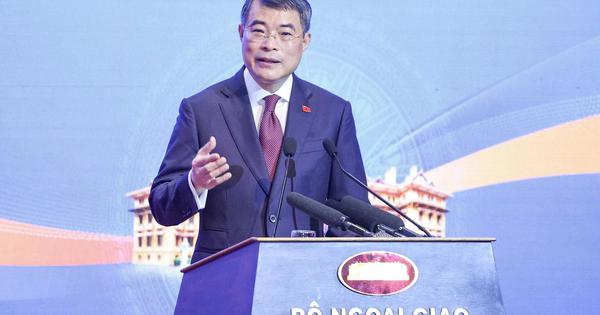
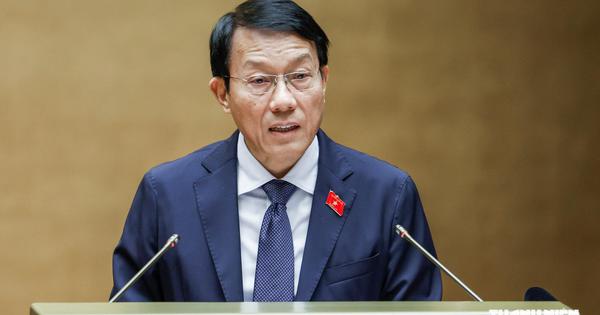
Prime Minister Le Minh Hung has called for a significant shift in Vietnam's diplomatic approach, urging the sector to focus on practical outcomes and actively support national development. Speaking at the 33rd Diplomatic Conference, themed "Diplomacy Serving National Development in the New Era – Breakthrough Thinking, Decisive Action, Substantive Results," Hung underscored the vital role diplomacy has played in shaping the nation's foreign policy and securing its independence and sovereignty amidst global volatility.
He acknowledged that diplomatic efforts have been instrumental in fostering a peaceful and stable environment, creating favorable conditions for development, and significantly boosting Vietnam's international prestige. Partners worldwide are increasingly keen to deepen relations with the country. Furthermore, external relations have actively contributed to mobilizing external resources, expanding markets, attracting investment, and promoting science, technology, and innovation, thereby enhancing productivity and supporting sustainable growth.
Looking ahead, Prime Minister Hung stressed the need for the diplomatic sector to embrace a more proactive and results-oriented mindset. He outlined three key requirements for the new era: first, a strong emphasis on achieving tangible results and final products, moving beyond merely opening doors to actively accompanying businesses and localities in realizing concrete outcomes. The responsibility of economic diplomacy officials, he stated, extends beyond signing agreements to ensuring commitments are fulfilled, projects are licensed, capital is disbursed, and operations commence.
Diplomacy Serving National Development in the New Era – Breakthrough Thinking, Decisive Action, Substantive Results
Second, Hung called for a transition from merely attracting resources to effectively converting them, integrating investment with technology transfer, human resource training, and enhancing the capacity of domestic enterprises. This includes focusing not only on markets and capital but also on attracting and developing core technologies, strategic infrastructure, and engaging the Vietnamese diaspora and international talent in national innovation programs.
Third, the Prime Minister urged a move from passive participation to actively shaping international norms and standards, particularly in areas such as the environment and labor. This proactive stance aims to ensure Vietnam's interests are represented and its development trajectory is supported within the evolving global landscape.
The responsibility of each official engaged in economic diplomacy does not stop at signing, but must extend until the commitments are fulfilled, projects are licensed, capital is disbursed, and facilities are operational in reality.
DistantNews Editorial
Originally published by Thanh Niên in Vietnamese. Translated, summarized, and contextualized by our editorial team with added local perspective. Read our editorial standards.
More Stories
From Our Blog

What Gets Lost (and Found) When News Is Translated

The Critical Role of Diaspora Media in Global News

What Travellers Should Know About Countries with Restricted Press

A Digital Nomad's Guide to Following Local News

How the Same Story Looks Different in Different Countries
