

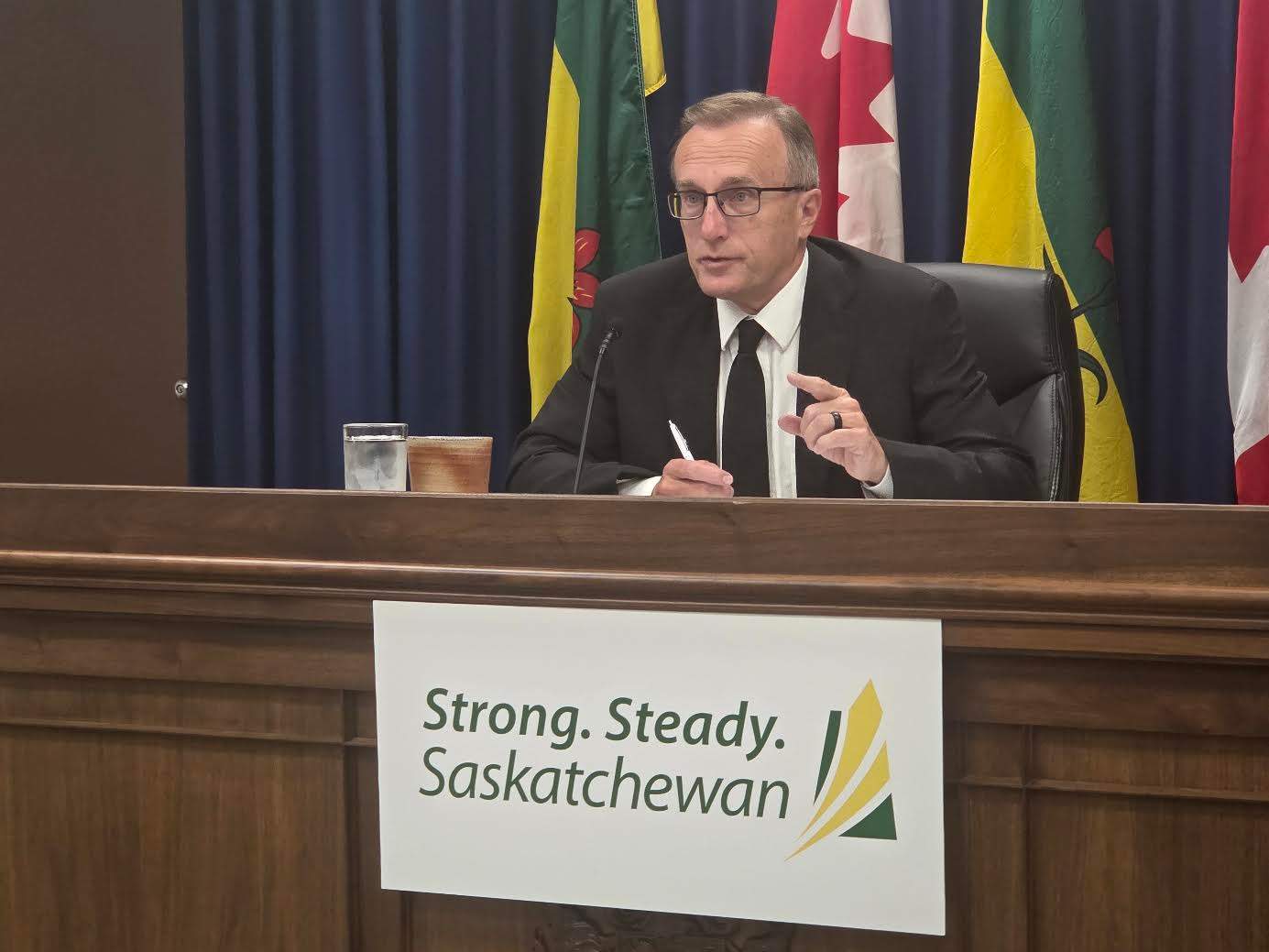

Quebec election campaign opens with sovereignty debate overshadowed by US trade war
Translated from English and summarized by DistantNews. Read the original for the full story.
At a glance
News
Named sources
Context piece
- Quebec's election campaign has begun, with the traditional sovereignty debate potentially overshadowed by economic concerns, particularly the trade war with the United States.
- Experts suggest that the ongoing tariff disputes and negotiations with U.S. President Donald Trump are top of mind for voters, shifting focus away from independence.
- Party leaders are adjusting their strategies, with some proposing referendums only after Trump leaves office, acknowledging the current economic climate's impact on electoral priorities.
As Quebec prepares to elect its next government on October 5, the long-standing debate over sovereignty is facing a significant challenge from economic anxieties, particularly the escalating trade war with the United States. While independence has historically been a central issue, many voters, like 27-year-old Masters’ student Charles Rousseau, now prioritize concerns such as inflation and the cost of living.
What has really dominated political discourse lately is inflation, the cost of living. I get the impression that the sovereignty movement is losing some of its momentum as well. So, people are clearly concerned about this whole conflict.
Rousseau expressed that while he believes in Quebec independence, it is not his primary concern in this election. He noted that the "sovereignty movement is losing some of its momentum" as people are more focused on the "conflict" stemming from U.S. trade policies. This sentiment suggests a potential shift in voter priorities, moving away from constitutional questions towards immediate economic stability.
Experts observe that the trade war is altering the political landscape, with Quebec facing the highest effective tariff rate on exports among Canadian provinces. This economic pressure is placing leaders like Parti Québécois leader Paul St-Pierre Plamondon, who had promised a referendum on sovereignty, on the defensive. Incumbent premier Christine Fréchette has even framed Donald Trump as the "real adversary," suggesting the U.S. president's actions are a greater threat than internal political divisions.
My opponent is named Donald Trump. He’s the real adversary.
With polls indicating only about 30 percent of Quebecers would support sovereignty in a referendum, St-Pierre Plamondon has adjusted his strategy, announcing that a referendum would not be called until Trump leaves office in 2029. He urged voters not to let U.S. tactics "hijack" the election, emphasizing that Quebecers must decide their own future. Ruba Ghazal of Québec solidaire also indicated a commitment to consulting the public on sovereignty, reflecting the complex interplay between national aspirations and pressing economic realities.
Do not allow the Trump administration’s tactics to rob us of this important debate. Do not allow our election to be hijacked.
About this summary
Originally published by Global News in English. Translated, summarized, and contextualized automatically by DistantNews, with a note on how the source frames the story. Not individually reviewed before publishing. How this works.
More Stories
From Our Blog

What Gets Lost (and Found) When News Is Translated

The Critical Role of Diaspora Media in Global News

What Travellers Should Know About Countries with Restricted Press

A Digital Nomad's Guide to Following Local News

How the Same Story Looks Different in Different Countries
