

Saskatchewan deficit grows to $825 million despite oil revenue surge
Translated from English and summarized by DistantNews. Read the original for the full story.
At a glance
News
Sources not specified
New plan
- Saskatchewan's provincial deficit has increased to $825 million in the first quarter, exceeding projections despite higher oil revenues.
- Increased expenses are attributed to healthcare demand and spring flooding damage, including crop insurance claims and hailstorms.
- The opposition NDP criticizes the government for growing the deficit and debt without providing affordability relief, while the government points to tax reductions.
Saskatchewan's provincial government has reported a first-quarter deficit of $825 million, a slight increase from the $819 million projected in March. This comes despite a significant boost in revenue from higher oil prices, driven by geopolitical uncertainty.
In the ag theme, there’s a $24 million increase due to unseeded crop insurance claims resulting from excess moisture in the spring.
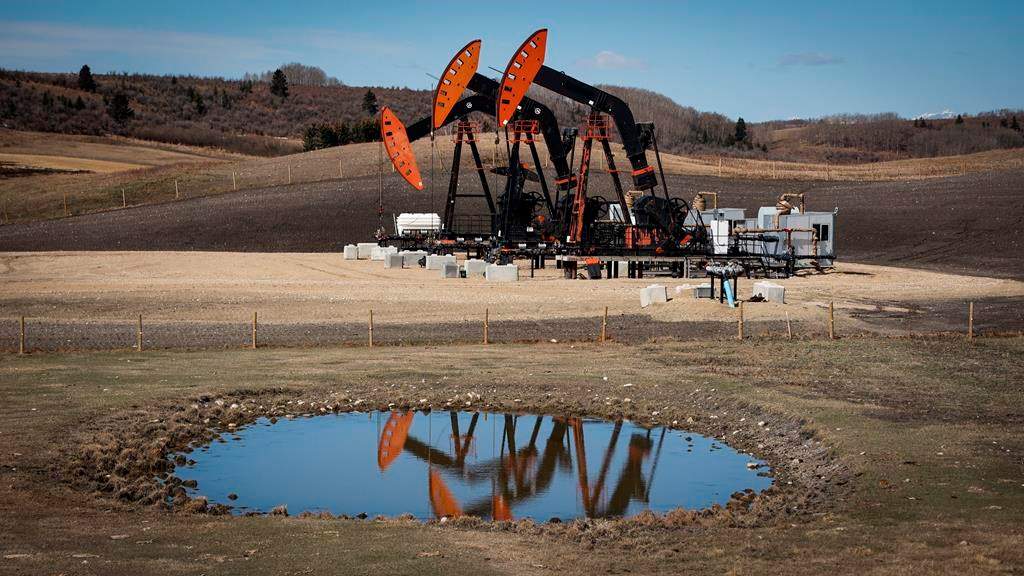
The province's West Texas Intermediate oil forecast rose to $75 US per barrel, up from the budgeted $59.75. However, total expenses also climbed by $337 million. Major cost pressures include growing healthcare demands and the expense of repairing damage from spring flooding, particularly in the northeast. Unseeded crop insurance claims due to excess moisture and hailstorms have also contributed to increased agricultural-related expenses.
In certain industries, they’ve been hit very hard. But most have not been hit. So, Saskatchewan has been very fortunate in that regard.
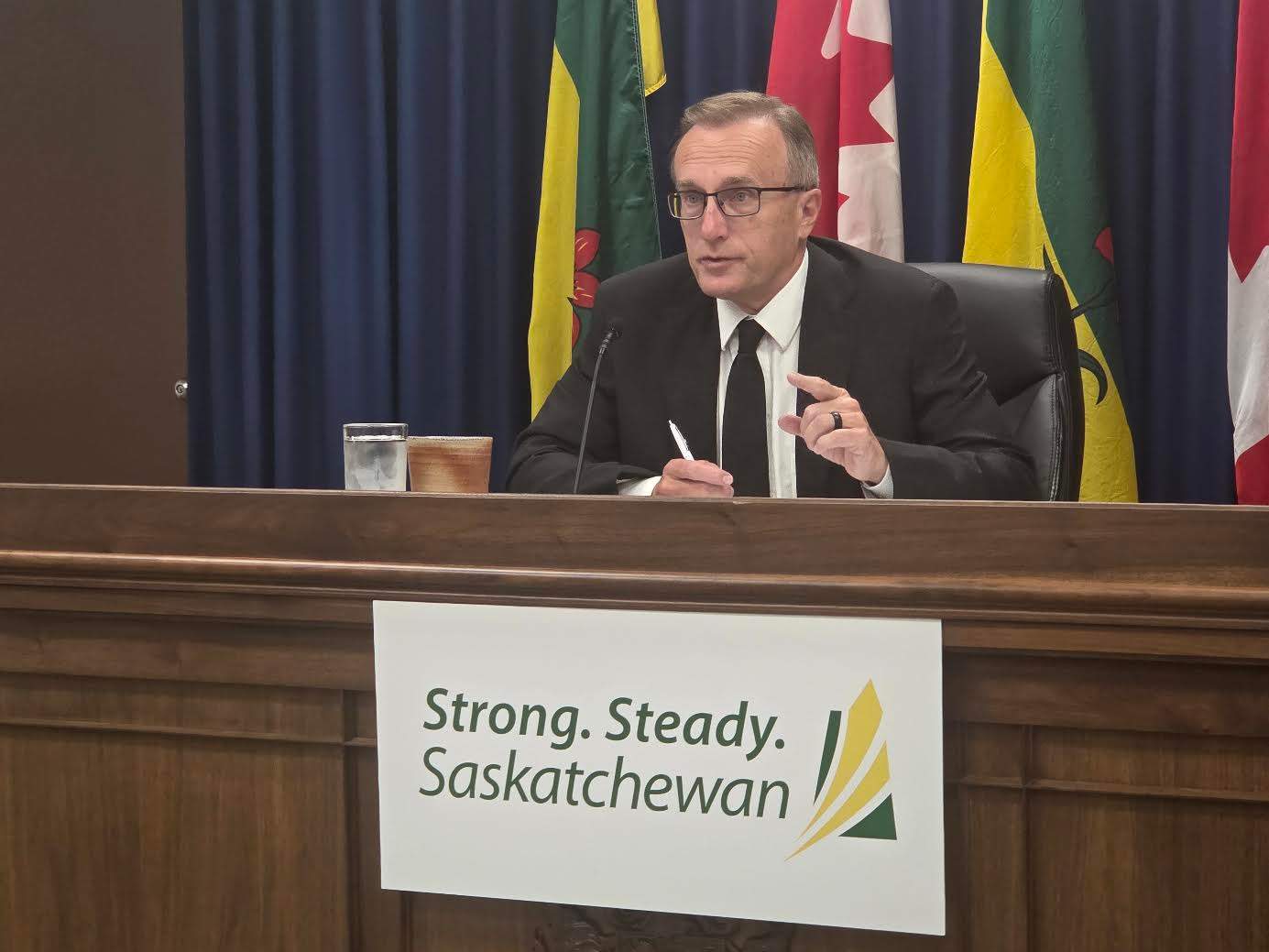
Despite these challenges, Finance Minister Jim Reiter stated the provincial economy remains strong and that Saskatchewan is weathering geopolitical uncertainty and trade tensions. While some industries like manufacturing, forestry, and honey have been negatively impacted by U.S. tariffs, Reiter noted that most sectors have not been significantly affected. The province's net debt-to-GDP ratio is projected to improve to 14.9 percent by March 31, 2027, remaining the second-best among Canadian provinces.
But yet is still growing the deficit and the debt and is not offering an ounce of relief to the people of this province.
The opposition Saskatchewan NDP criticized the government's fiscal management, arguing that higher oil revenues should have been used for affordability measures instead of increasing the deficit and debt. The NDP called for a pause on gas taxes and PST on children's clothing, citing rising costs for essentials. In response, Reiter highlighted the government's commitment to affordability through measures in the March budget, including permanent personal income tax reductions and enhancements to tax credits and brackets, projected to save taxpayers $200 million annually.
That’s why our government continues to implement our plan to lower personal income taxes for everyone across the province on a permanent basis.
About this summary
Originally published by Global News in English. Translated, summarized, and contextualized automatically by DistantNews, with a note on how the source frames the story. Not individually reviewed before publishing. How this works.
More Stories
From Our Blog

What Gets Lost (and Found) When News Is Translated

The Critical Role of Diaspora Media in Global News

What Travellers Should Know About Countries with Restricted Press

A Digital Nomad's Guide to Following Local News

How the Same Story Looks Different in Different Countries
