


Raising children in a borderless digital world
Translated from Malay, summarized and contextualized by DistantNews.
At a glance
In-depth
Sources not specified
Context piece
- Children today grow up in a digital world vastly different from previous generations, with smartphones, video games, and AI integral to their lives.
- While offering benefits like access to information and new learning opportunities, this digital environment raises concerns about safety, mental well-being, and parental guidance.
- The Malaysia Cyberpsychology Symposium 2024 highlighted that current digital challenges involve human behavior, not just technology, emphasizing the need for cybersecurity and digital literacy.
Children today are navigating a digital landscape far removed from that of previous generations. Smartphones, video games, and artificial intelligence are no longer optional extras but essential components of learning, communication, and identity formation for the younger demographic. This digital immersion offers unprecedented access to information, new educational avenues, and platforms for building communities around shared interests.
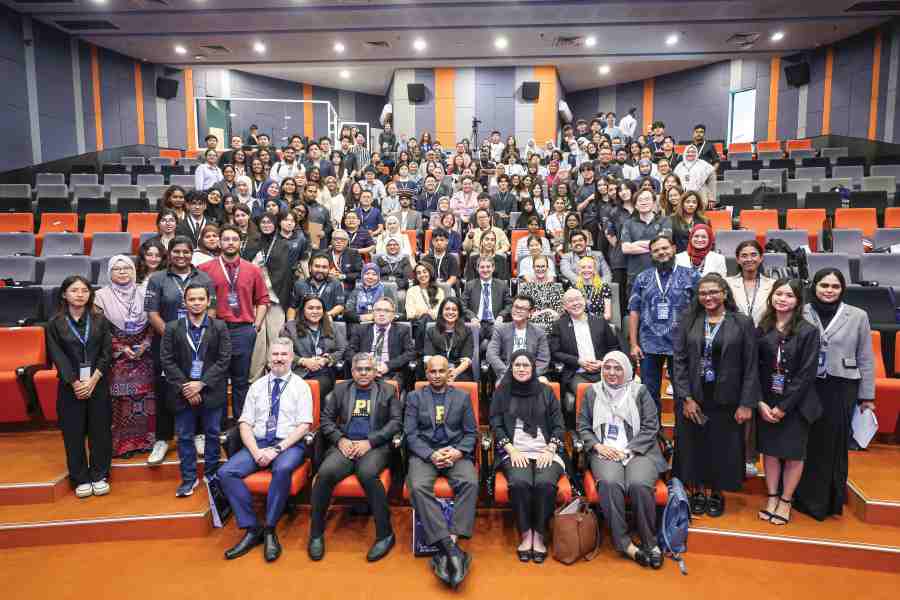
However, this interconnected world also presents complex challenges. Questions surrounding online safety, mental well-being, and parents' readiness to guide their children through an increasingly intricate digital realm are paramount. These issues were central to discussions at the Malaysia Cyberpsychology Symposium (MYCS) 2024, held at the Asia Pacific University of Technology & Innovation (APU).
Under the theme "Human Behaviour in the Digital Age: Society, Security and Systems," the symposium underscored that contemporary digital challenges extend beyond mere technology to encompass human behavior. The event brought together academics, psychologists, cybersecurity experts, policymakers, and industry players to explore the interplay between humans, technology, and digital security.
The more digital systems are used, the more opportunities cybercriminals have to find and exploit existing vulnerabilities.
Dr. Roszelinda Khalid, Senior Assistant Director at the National Cyber Security Agency (NACSA), noted that the escalating use of digital technology broadens the attack surface for cybercriminals. "The more digital systems are used, the more opportunities cybercriminals have to find and exploit existing vulnerabilities," she stated. She emphasized that cybersecurity is no longer solely an IT issue but directly impacts organizational operations, public trust, business continuity, and national resilience.
Roszelinda also pointed out that AI is rapidly evolving as a sophisticated cyber threat, with technologies like deepfake posing risks to organizations and potentially undermining public trust and national stability. Within families, digital threats include exposure to inappropriate content, algorithmic manipulation, social pressure, and a growing crisis of identity among adolescents. Dr. Emily Smith, a Psychology Lecturer and Researcher at De Montfort University, highlighted the crucial role of parents as digital role models, as children learn by observing adult behavior.
Cybersecurity is no longer just an information technology issue but directly impacts organizational operations, public trust, business continuity, and national resilience.
DistantNews Editorial
Originally published by Utusan Malaysia in Malay. Translated, summarized, and contextualized by our editorial team with added local perspective. Read our editorial standards.
More Stories



From Our Blog

What Gets Lost (and Found) When News Is Translated

The Critical Role of Diaspora Media in Global News

What Travellers Should Know About Countries with Restricted Press

A Digital Nomad's Guide to Following Local News

How the Same Story Looks Different in Different Countries
